Bullish and bearish factors are intertwined, and secondary aluminium market activity is somewhat suppressed
Futures: The AD2603 contract for cast aluminium alloy surged to 23,480 before pulling back. On the 4-hour chart, it opened at 23,050, reached a high of 23,050, and a low of 22,560, closing at 22,965, down 70 points (-0.30 per cent) from the previous close. Prices showed signs of a pullback from highs. Trading volume was 8,499, down 1,379 from the previous day; open interest was 20,509, down 109. The synchronised reduction in volume and open interest indicates lower participation of funds during the current pullback phase, with no clear consensus on direction between long and short positions. After hitting resistance, prices pulled back, technical indicators signalled an overbought condition, and the reduction in volume and open interest suggests that prices will likely fluctuate at highs or experience a slight downward trend in the short term.
Spot-Futures Price Spread Daily Report: According to SMM data, on January 7, the theoretical premium of the SMM ADC12 spot price over the most-traded casting aluminium alloy contract (AD2603) at 10:15 am closing price was RMB 775 per tonne.
Warrant Daily Report: SHFE data shows that on January 7, the total registered warrants for cast aluminium alloy were 69,346 tonnes, up 148 tonnes from the previous trading day. In Shanghai, the total registered warrants were 4,757 tonne, unchanged from the previous trading day; in Guangdong, 22,238 tonne, also unchanged; in Jiangsu, 12,020 tonne, down 62 tonne; in Zhejiang, 23,691 tonne, down 91 tonne; in Chongqing, 5,919 tonne, unchanged; and in Sichuan, 721 tonne, up 301 tonne.
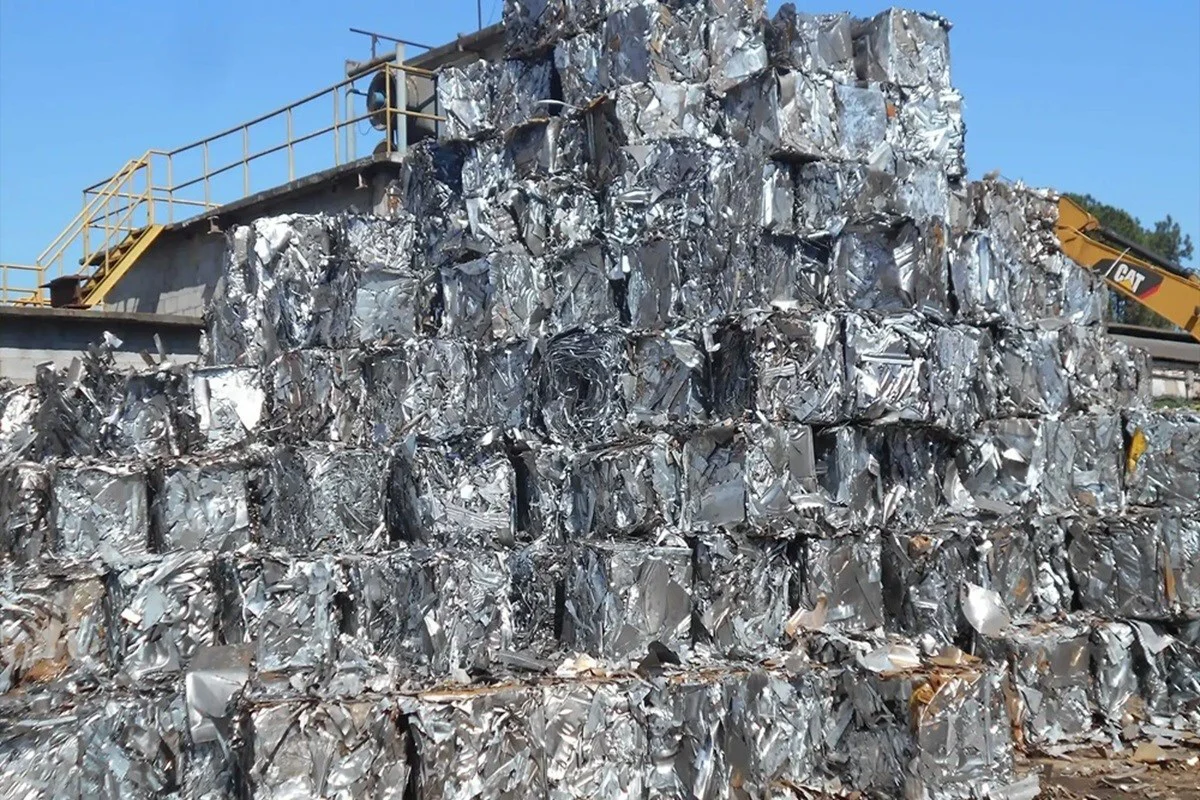
Aluminium scrap: On Wednesday, the spot price of primary aluminium continued to rise compared to the previous trading day, with SMM A00 spot closing at RMB 24,140 per tonne. The aluminium scrap market followed the increase in primary aluminium prices. Baled UBC scrap prices ranged from RMB 17,800 to 18,200 per tonne (excluding tax), while shredded aluminium tensile scrap (priced based on aluminium content) ranged from RMB 19,400 to 19,900 per tonne (excluding tax). Directly influenced by the rise in primary aluminium, prices in Shanghai, Zhejiang, Jiangsu, Tianjin, Shandong, and Jiangxi increased by RMB 100-200 per tonne today. It is expected that domestic aluminium scrap prices this week will follow the high-level fluctuations of primary aluminium, while also being cautious of the risk of a pullback from highs. On the supply side, the issue of tax burden transfer further affects the market supply structure.
Silicon metal:
The silicon metal market remained stagnant. Yesterday, the futures trended sideways but ended stronger. SMM East China oxygen-blown #553 silicon was priced at RMB 9,200-9,300 per tonne, and #441 silicon at RMB 9,300-9,500 per tonne. In the futures, the most-traded silicon contract closed at RMB 8,900 per tonne, up RMB 170 per tonne from the previous day, mainly driven by sentiment and other factors. This Friday, downstream silicone enterprises will hold another meeting to hold prices firm, which may impact the silicon metal market.
Overseas market: Overseas ADC12 prices are currently stable in the range of USD 2,820–2,850 per tonne, while domestic prices continue to rise significantly, pushing the real-time profit margin for imports to expand again to around RMB 500 per tonne.
Summary: With aluminium prices currently breaking through the high of RMB 24,000 per tonne, pressure on both supply and demand ends in the secondary aluminium industry has intensified, and market sentiment has diverged. Supply side, finished product inventories at secondary aluminium enterprises are generally low, coupled with tight aluminium scrap supply and persistently high prices, further driving rapid increases in secondary aluminium alloy prices.
Demand side, downstream resistance to high prices is strong, with most enterprises shifting to digesting inventories, postponing purchases, or only maintaining essential demand; some enterprises even plan to halt production early. Only a few customers concerned about further price increases are actively placing orders, resulting in an overall sluggish transaction atmosphere in the market. The current "soaring" aluminium prices are causing poor cost transmission along the industry chain, increasing instances of production cuts and shutdowns downstream. Moreover, as the Chinese New Year approaches, market expectations for pre-holiday stockpiling have significantly weakened, markedly dampening market vitality. If prices remain firm, the production and sales pace in the secondary aluminium industry may further slow down in the short term.
Overall, the current secondary aluminium market is intertwined with bullish and bearish factors: cost-driven and tight supply provide support for prices, while weak downstream demand and fear of high prices exert downward pressure. However, the continued release of short-term macro tailwinds will boost the market, and ADC12 prices are expected to continue fluctuating at highs.
Note: This article has been issued by SMM and has been published by AL Circle with its original information without any modifications or edits to the core subject/data.

EU risks losing aluminium scraps as overseas buyers step in
Next articleParagon Union & Asahi Seiren join forces to target the $160B recycled aluminium market
Grow with
AL Circle