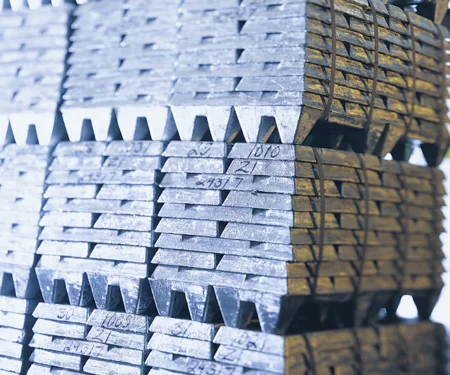
Alloy enterprises have not yet resumed work, and the market is mainly sluggish
Futures: The most-traded AD2604 contract for cast aluminium alloy closed at RMB 22,275 per tonne overnight, down RMB 45 per tonne, or 0.20 per cent, from the previous trading day. It opened at RMB 22,305 per tonne, hitting a high of RMB 22,435 per tonne and a low of RMB 22,235 per tonne. Trading volume was 1,471 lots (-4,000), and open interest was 11,534 lots (-6), showing a pattern of shrinking volume and declining open interest. All three lines are in the neutral-to-bullish range of 50-80, with the J-line slightly above the K- and D-lines, indicating moderate short-term momentum but not yet entering overbought territory. Recently, the K- and D-lines formed a golden cross and diverged upward, suggesting a short-term bullish trend, but caution is needed against adjustment pressure from a potential pullback in the J-line.
Spot-futures price spread report: According to SMM data, on February 24, the SMM ADC12 spot price was at a theoretical premium of RMB 1,375 per tonne to the closing price of the most-traded cast aluminium alloy contract (AD2604) at 10:15.
Warrant report: SHFE data showed that on February 24, the total registered warrants for cast aluminium alloy were 67,506 tonnes, an increase of 1,140 tonnes from the previous trading day. By region, total registered warrants were: Shanghai (6,490 tonne, unchanged), Guangdong (23,000 tonne, down 181 tonne), Jiangsu (9,252 tonne, up 721 tonne), Zhejiang (22,757 tonne, up 630 tonne), Chongqing (4,654 tonne, down 30 tonne), and Sichuan (1,353 tonne, unchanged).
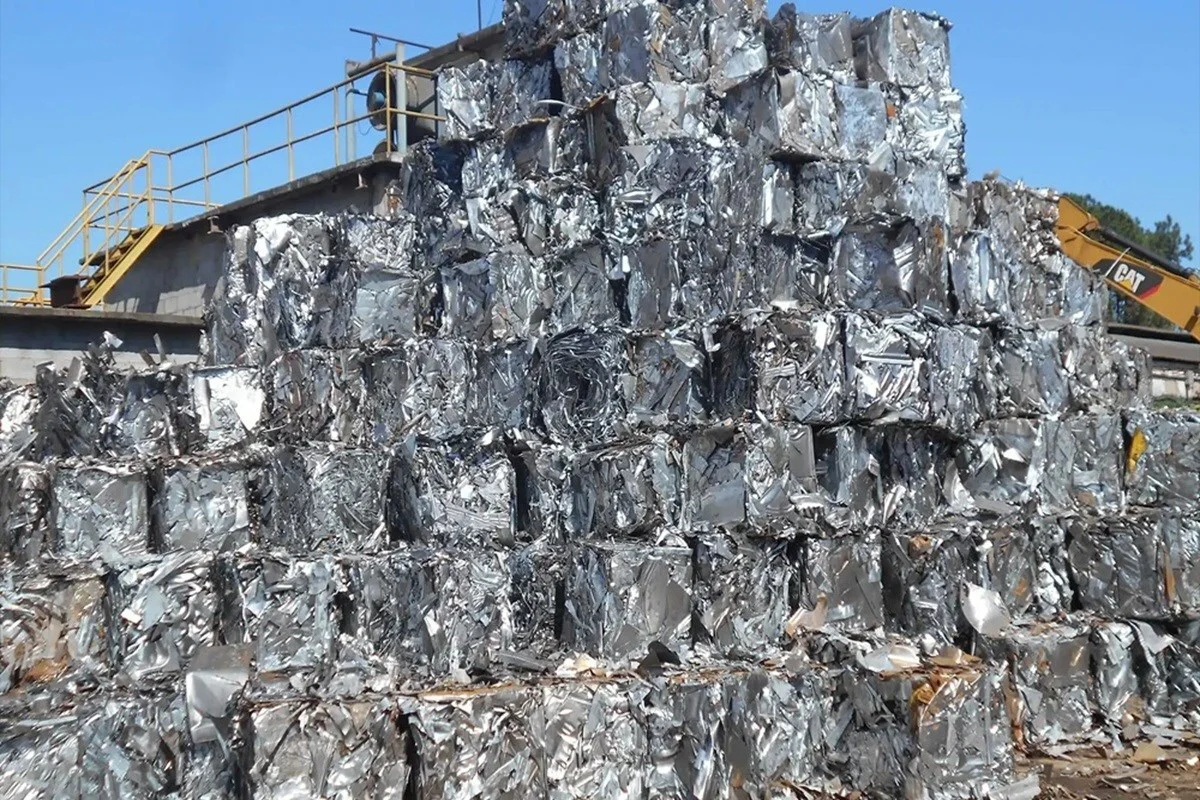
Aluminium scrap side: Spot primary aluminium prices rose yesterday compared to the last trading day before the Chinese New Year holiday, with the SMM A00 spot price closing at RMB 23,390 per tonne. Aluminium scrap market prices followed the increase overall today. Baled UBC was mainly offered at RMB 16,800-17,250 per tonne (ex-tax), while shredded aluminium tensile scrap (priced based on aluminium content) was mainly offered at RMB 19,100-19,800 per tonne (ex-tax). In terms of price differences, on February 24, the price difference between A00 aluminium and mixed aluminium extrusion scrap free of paint in Foshan was RMB 3,475 per tonne, and the price difference between A00 aluminium and shredded aluminium tensile scrap was RMB 2,669 per tonne. The aluminium scrap market is expected to hover at highs this week, with downstream demand unlikely to recover quickly. The mainstream range for shredded aluminium tensile scrap (priced based on aluminium content) is still expected to fluctuate around RMB 19,000-19,800 per tonne (ex-tax).
Some aluminium scrap yards and scrap utilisation enterprises have not yet resumed operations after the holiday, constraining the recycling of new scrap. Tight supply release, coupled with high aluminium prices, provides bottom support for aluminium scrap prices. However, downstream demand has declined M-o-M since January, and market transactions are expected to remain sluggish. In the short term, the supply-demand standoff with weak fundamentals on both sides continues, with transactions mainly driven by rigid restocking needs. Close attention should be paid to the pace of post-holiday resumption at downstream processing enterprises, and caution is warranted as post-holiday restart expectations may reignite market sentiment and funds, potentially pushing up aluminium prices and keeping trading activity in the aluminium scrap market sluggish.
Silicon Metal: (1) Price: After the Chinese New Year, the wait-and-see sentiment in the market was strong. Silicon enterprises' quotations were basically stable compared to before the holiday. Yesterday, SMM's oxygen-blown #553 silicon in east China was at RMB 9,200-9,400 per tonne, and #441 silicon was at RMB 9,300-9,600 per tonne. The most-traded futures contract fluctuated around RMB 8,350-8,450 per tonne, with some spot-futures traders reporting a slight strengthening of the spot-futures price spread.
On the first day after the holiday, the market was mainly characterised by inquiries, with limited spot transactions. (2) Production: Due to partial production cuts and fewer production days, industrial silicon production in February declined significantly M-o-M. After the Chinese New Year, the operating rate of silicon enterprises remained basically stable compared to before the holiday. The resumption time for the reduced capacity of top-tier enterprises is still unclear, and attention should be paid to subsequent changes in the industry's operating rate.
Overseas Market: In terms of imports, overseas ADC12 quotations rose slightly to the range of USD 2,850-2,910 per tonne. As the RMB strengthened against the US dollar, the immediate profit margin for imports expanded to around RMB 300 per tonne.
Summary: On Tuesday, SMM raised the ADC12 price by RMB 100 per tonne to RMB 23,750 per tonne. On the first day after the holiday, the futures market showed a relatively strong performance, leading to a recovery in market sentiment. However, there was a certain degree of divergence in the quotations from secondary aluminium enterprises. Some enterprises, considering that downstream operations had not fully resumed, maintained their pre-holiday quotation ranges and adopted a wait-and-see approach; others raised their prices by RMB 100 per tonne.
The atmosphere of market inquiries gradually recovered, but actual transactions remained low, with the market still primarily in a wait-and-see mode. Given that the shutdown period for secondary aluminium plants this year was slightly longer than last year, with most enterprises resuming operations between the eighth and fifteenth day of the first lunar month, the pace of supply release in the first week after the holiday is expected to be slow, providing a temporary bottom for prices. However, the recovery on the demand side is more likely to be gradual, and until terminal orders show a significant increase, downstream purchases will remain cautious and based on need. The cost side needs to continuously monitor fluctuations in the prices of aluminium scrap, copper, silicon, and other auxiliary materials.
The trend of primary aluminium remains a key variable affecting market sentiment and the price centre. Overall, in the early post-holiday period, the ADC12 price is likely to continue the sideways movement pattern seen before the holiday. Subsequent direction will depend on the match between supply and demand after full production resumptions and the performance of primary aluminium prices. If there is a phase of restocking combined with a strong performance of primary aluminium, there is room for price recovery; otherwise, prices may face slight pressure, but overall, they will still move sideways.
Note: This article has been issued by SMM and has been published by AL Circle with its original information without any modifications or edits to the core subject/data.

Global aluminium scrap tracker 2025: A 41.7Mt backbone under pressure as demand rises 3.87%
Next articleIndia: Imported aluminium scrap prices show positive trend w-o-w
Grow with
AL Circle