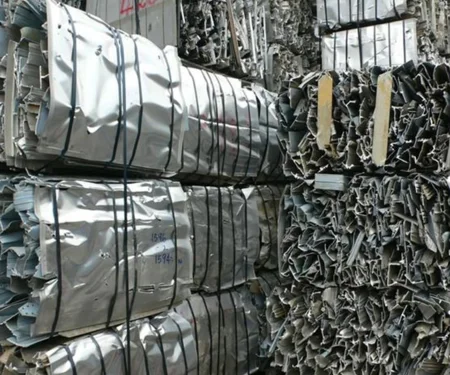
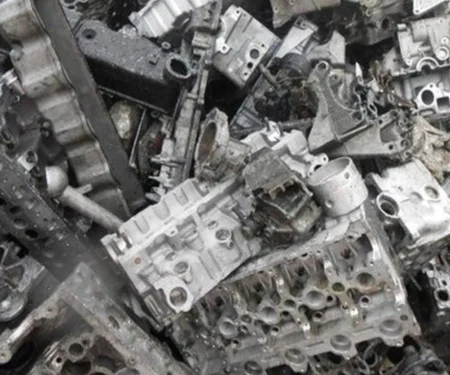
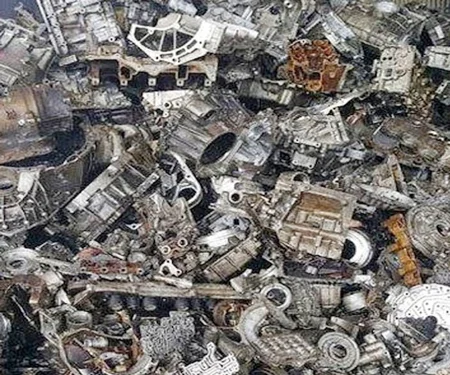
Yemen’s export of aluminium scrap during 2019-21 denotes a constant downfall; 25% further plunge estimated for 2022
The economy of Yemen is a mixed economy, where there is limited private freedom, but the economy remains extremely controlled by the government. Civil war, corruption and economic mismanagement have driven Yemen to stand as one of the poorest of the world's low-income countries.
Although crude oil production and petroleum refining remain the main backbone of Yemen’s industrial economy, however, aluminium products manufacturing and commercial ship repairing produce a good amount of aluminium scrap other than food used packaging.
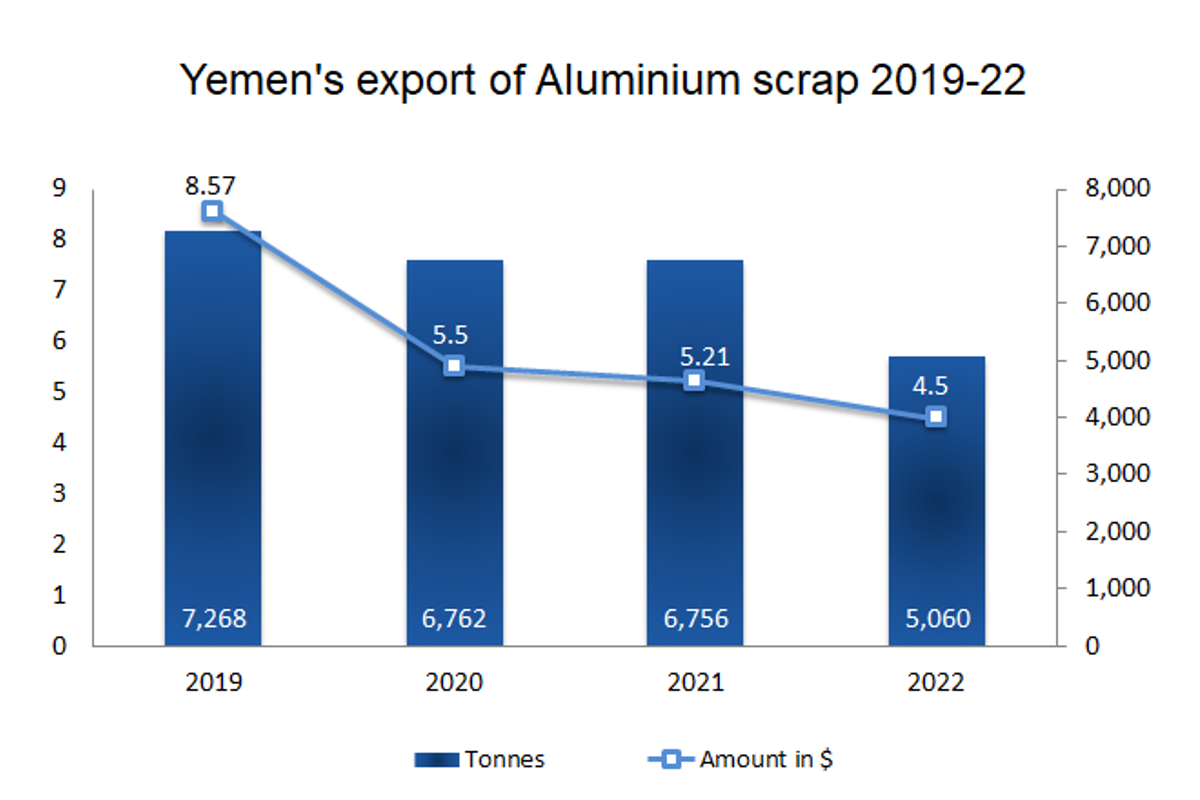
The Western Asian nation, Yemen exported 20,786 tonnes of aluminium scrap from 2019-to 21, which accounted for a $19.28 million inflow of foreign revenue from the export.
Yemen exported 7268 tonnes of aluminium scrap in 2019, attracting earnings of around $8.57 million, whereas, in 2020, the aluminium scrap export denoted a downfall by 6.96%, as the export volume dropped to 6762 tonnes, creating earnings of $5.5 million.
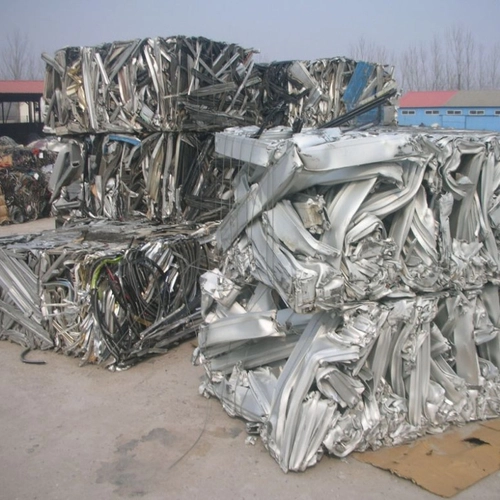
In 2021, the Yemini export of aluminium scrap was recorded at 6756 tonnes, indicating a marginal drop of 0.08% and the earnings also signified a slump to $5.21 million.
The aluminium scrap export of Yemen for 2022 is evaluated with a further plunge of 25.10%, as the export volume is anticipated to remain at 5060 tonnes and earnings to stand at $4.5 million.

The major trading destinations for Yemen’s export of aluminium scrap are Belgium, Greece, Italy, South Korea, etc.
Granges gains ground on near-zero with $52 million investment towards expansion in recycling and casting
Next articleOld airplanes to transform into homes with innovations by Aeropods in Ireland
Grow with
AL Circle