World Economic Forum proposes long-term goals for addressing the energy crisis
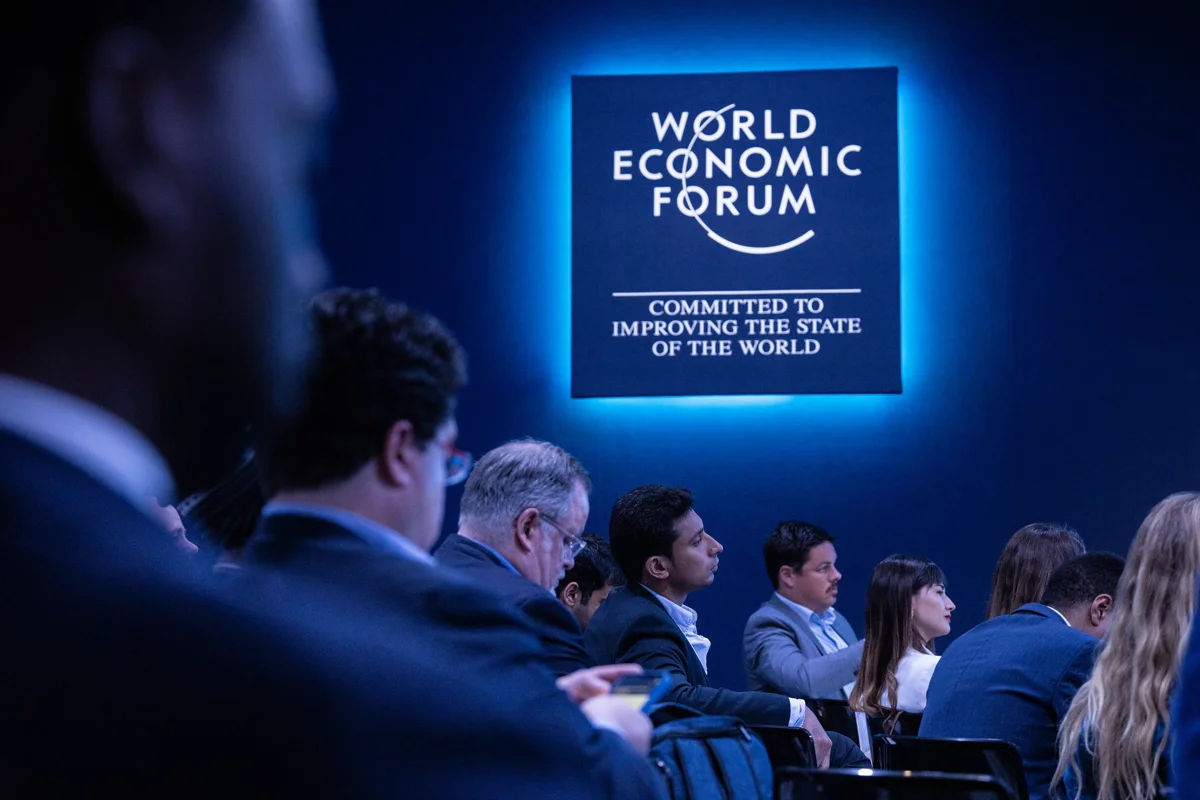
On January 12, 2023, a new World Economic Forum report stated that inflation and sluggish economic growth result from the current energy crisis. However, taking short-term risks like broad-based consumer subsidies and increasing the power produced from coal is dangerous.
The paper, ‘Securing the Energy Transition', put out a thorough strategic plan to make security and resilience the core elements of a system transitioning to alternative energy sources. It advocates coordinating ongoing efforts to deal with the energy crisis with long-term objectives for the energy transition.
In the world of aluminium, the European and US industries suffer the most due to soaring energy prices. To a certain extent, primary aluminium production is slashed, and even companies owning the smelters have decided temporarily close down, and only some chose the path for permanent closure.
Roberto Bocca, who leads WEF's section on energy and infrastructure, said, "The energy crisis has brought energy security to the forefront of political and corporate agendas and prompted the need to develop responses that are adapted to how the energy system has evolved and to where it needs to transition."
"What is now a global crisis is a real opportunity to steer a more direct course towards a secure, sustainable, and affordable energy future for everyone," Bocca added.
"Taking advantage of the opportunity requires radical collaboration and a pragmatic approach to confront the complexities of the energy transition with immediate actions."
According to the paper, evolving energy markets and increasingly decentralized, digitalized, carbon-free, and distributed energy supply present opportunities and risks for energy systems in transition.
The security of energy supplies must be re-evaluated in light of these supplies. The paper offers a comprehensive framework for a safe energy system to assist nations and politicians in formulating their plans for strategic initiatives, laws, and regulations.
Solutions include:
- Prioritizing renewable energy investments
- Plugging methane leaks
- Maximizing electrification
- Driving consumption efficiencies
- Taking advantage of excess profits made by energy companies in 2022
Prioritizing the provision of renewable energy and limiting the reinforcement of fossil fuels to committed emission reduction targets is one immediate step that has been suggested. According to the International Energy Agency, for every dollar spent on new fossil fuel production, $5 should be invested in renewable energy.

The WEF analysis states, “If more than 3.4 per cent of natural gas escapes before burning, it has no more significant climate advantages than coal. Yet, some fields have fugitive emission rates of 6 per cent or higher.”
“Maximize energy efficiency and electrification to reduce demand and reduce carbon emissions. High gas (petrol) prices in the near term will improve the economics of efficiency improvements and electric residential heating.”
Primary aluminium weekly recap: Slovalco closes aluminium operations after 70 working years; Aluminium Dunkerque to begin operations surpassing electricity problems
Next articleLME aluminium price surges by US$64/t to US$2,511/t; SHFE price ascends by US$24/t
Grow with
AL Circle