Women in ALuminium, shaped by lessons and motivated by growth
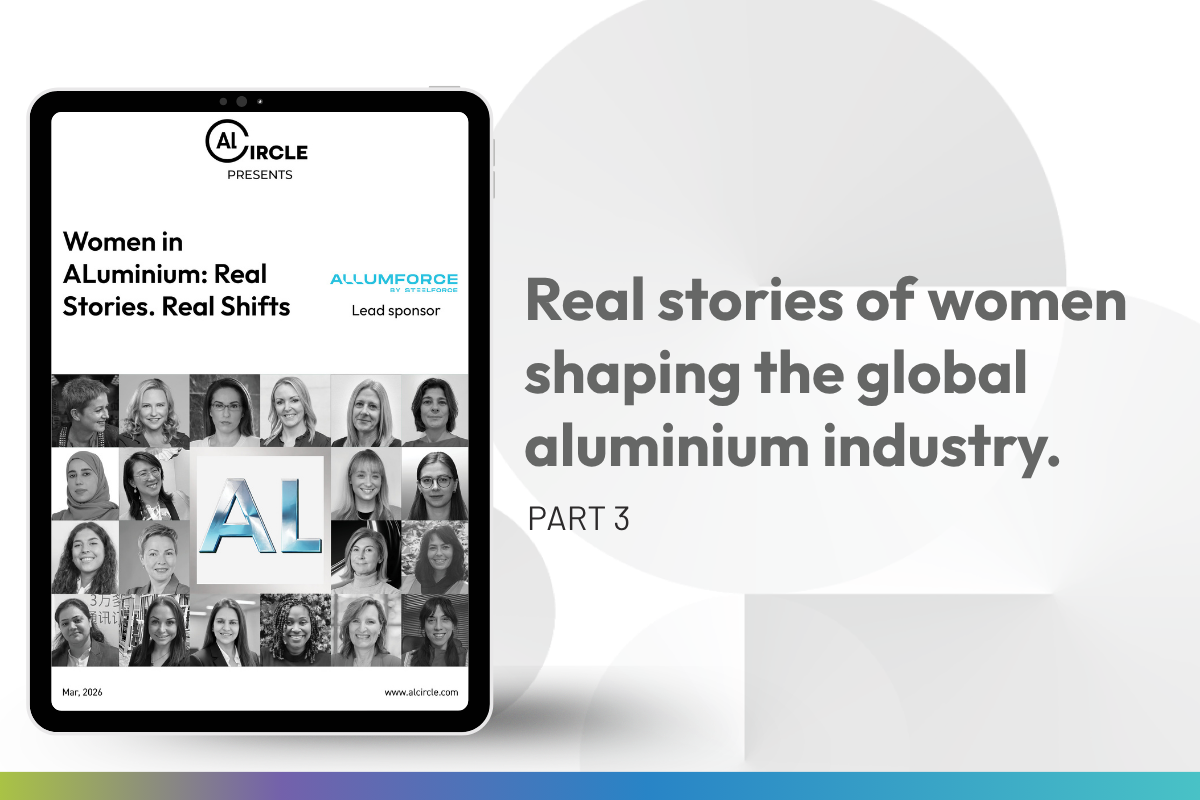
Welcoming back all the readers to the third part of “Women in Aluminium: Real Stories. Real Shifts”, where we will explore the most valuable lesson they gained in their journey and what changes they believe will shape the global aluminium industry in the coming years. In the first part of the series, we talked about these women's current job roles and responsibilities and how they entered the metal industry, along with what shaped their paths. In the second part of the series, we walked the readers through the common and uncommon challenges these women faced, along with the projects and milestones they are part of.
One theme is the lessons these women learned throughout their journey
For every woman in the global aluminium industry, the experiences usually stemmed from gaining hands-on learning, taking spontaneous responsibilities and thriving through challenges within various market dynamics.
As shared in "Women in Aluminium: Real Stories. Real Shifts", for these women, the strongest lesson was effectively building credibility over time by gaining technical competence, integrity and consistency.
Angelica Papageorgiou, the Global Senior Director of Allumforce, said, "One of the most important lessons I learned from mentors throughout my career is that credibility is built on preparation, integrity, and consistency."
Many women reflected that being curious and open to learning, while navigating through various technical and leadership roles, has provided lessons that shaped their journey. Not only this, but confidence has also been a key lesson for them. How? It aided them in overcoming challenges, gaining problem-solving ability and strengthening their core values.
Eirini Mylonopoulou, the Potlines Process Engineer in Aluminium of Greece at METLEN Energy and Metals, said, "Throughout the years as a process engineer, I realised that building resilience can help me approach challenges with confidence rather than dread, influencing my performance and the morale of those around me."
Another theme explored is what changes they believe will shape the AL industry in the coming years
These women believe that the overall industry is gradually shifting to be more inclusive and diverse. Moreover, these diversifications have enabled the industry to mitigate critical challenges, move with a more strategic advantage and aid in long-term business growth, innovation and competitiveness.
Kirsty Davies-Chinnock, the Founder of Women With Metal, stated, "Several companies are actively including diversity and gender inclusion in their growth strategy and this is having a very positive effect on the industry as a whole."
Besides this, the industry is also rigorously undergoing transformation to be more sustainable in nature, given the demand for reducing carbon footprint, greenhouse gas emissions and rising regulation globally.
Bhavna Razdan, the Managing Partner at Ansh Enterprises, said, "Sustainability is no longer optional; customers, regulators, and investors all expect transparent and environmentally responsible supply chains."
Besides sustainability, these women also communicated in "Women in Aluminium: Real Stories. Real Shifts" that the rising need and use of digitalisation is also nudging the evolving nature of the industry. Why so? Because it links equipment, data and decision-making in real time.
Éloïse Harvey, the CEO of EPIQ Machinery, said, "Automation, digitalisation, and robotisation are no longer optional; they’re becoming foundational."
Leadership styles within the industry are also evolving alongside these broader industrial changes. This is more so because various leadership qualities are being recognised as strengths rather than just alternative traditional models.
Julie Lessard, the Executive Director at REEL, stated, "Leadership styles are evolving, particularly with the influence of a new generation that values emotional intelligence, collaboration, and empathy."
Throughout the conversation with these women in “Women in Aluminium: Real Stories. Real Shifts”, they shared their thoughts on an industry that's evolving past its traditional operational focus. They are now placing a greater emphasis on inclusion, sustainability, innovation and long-term resilience as key factors driving future growth.
In the last part of the series, we will be walking through a discussion which includes how they wish to contribute to the changes we talked about here and given the dynamic nature of the industry, how they are creating balance in their personal and professional life. Watch this space.
_0_0.png)
G7 focuses on critical minerals as US-EU tariff tensions test unity
Next articleChris Cooter visits CSIR-IMMT to strengthen India-Canada critical minerals ties
Grow with
AL Circle