With up to 51% consumption and 43% export, Australia’s bauxite market shows a balanced story
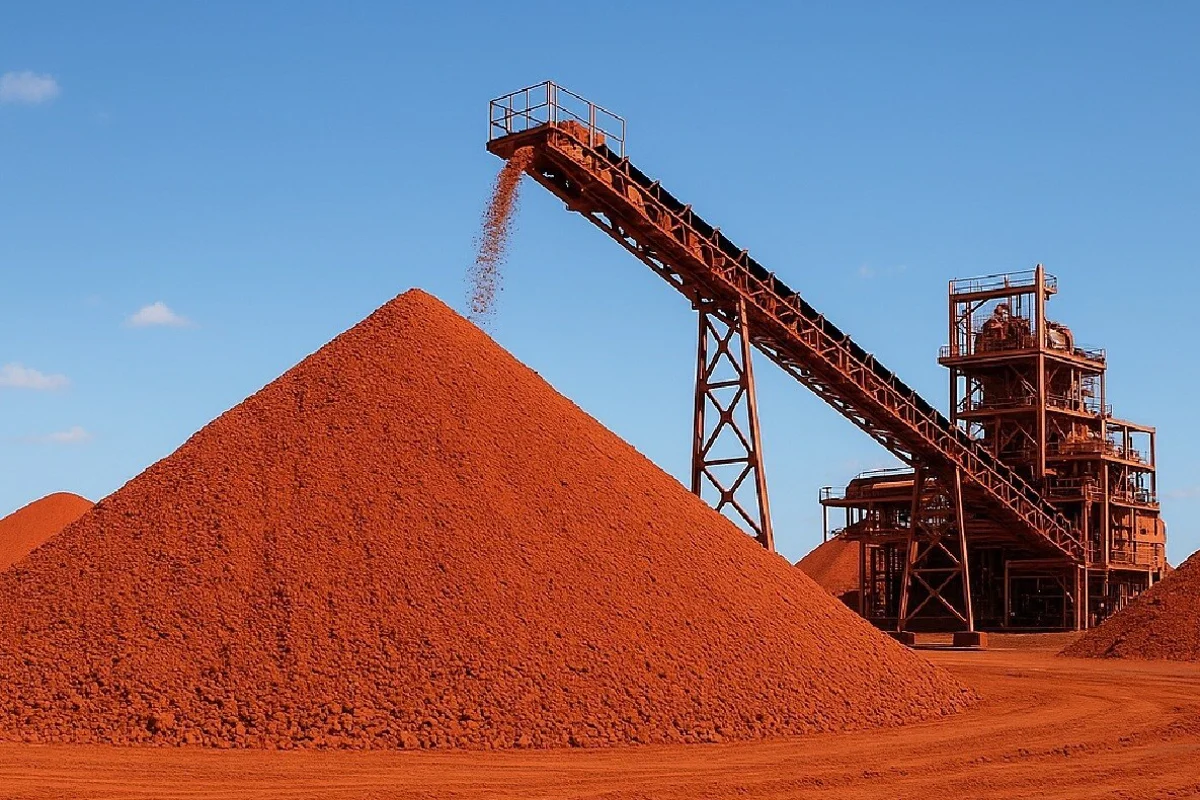
Australia’s bauxite story doesn’t shout for attention. It is not driven by sharp swings or sudden shifts, but by gradual adjustments across production, trade, and domestic use. Recent data shows output easing, exports rebalancing across markets, and a large share of material staying within the country’s refining system. Taken together, these trends point less to volatility and more to a controlled realignment, as Australia fine-tunes how it supplies both its own industry and a tightening global market.
Production slipped from 104 million tonnes in 2023 to 100.2 million tonnes in 2024, a drop of about 3.65 per cent, before recovering in the first eleven months of 2025, when output rose to 101.4 million tonnes, marking a 1.20 per cent year-on-year increase.
The longer view points to a positive production story. Several new bauxite projects are moving through development while existing mines continue to operate at steady rates. On that basis, output is expected to rise from around 102 million tonnes in 2024–25 to about 110 million tonnes by 2026–27. The trajectory points to measured expansion, with growth paced intentionally rather than rushed.
Unlock full access – sign up for FREE.
Key benefits
Global aluminium production surge propels the increased demand for bauxite trade
Next articleBauxite Hills ramp-up sets stage for Metro Mining’s growth amid rising bauxite demand
Grow with
AL Circle