A trade agreement between Japan and the US in July 2025 provided partial tariff relief, but ongoing challenges particularly in aluminium and auto parts continued to weigh on Japan’s manufacturing output. While services accelerated domestic demand, the country’s industrial base remained under pressure amid evolving global trade dynamics.
The S&P Global Japan Manufacturing Purchasing Managers’ Index (PMI) fell to 48.8 in July, dipping below the crucial 50-point mark that separates growth from contraction. This marked a reversal from June’s 50.1, the first expansion reading in over a year.
Economics Associate Director at S&P Global Market Intelligence Annabel Fiddes said, “Business activity across Japan's private sector continued to expand at the start of the third quarter, fuelled by stronger growth of the service sector.”
Yet in manufacturing, key components such as output and new orders saw their steepest declines in several months.
“Uncertainty over future trade policy weighed on expectations regarding the year-ahead,” Fiddes noted, reflecting the sector’s cautious sentiment.
Aluminium suffers as tariffs bite
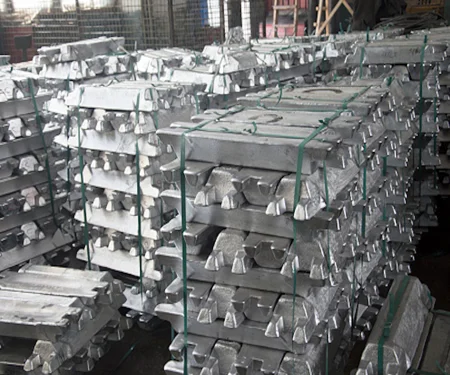
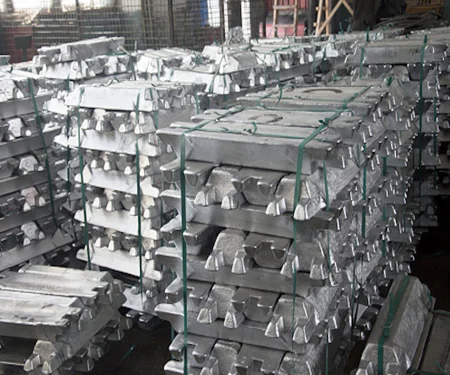
The industrial downturn has been particularly stark in the aluminium sector. In the first quarter of 2025, Japan’s imports of aluminium plates, sheets, and bars from the US fell by 11.1 per cent, dropping from 2,949 tonnes in Q1 2024 to 2,622 tonnes.
This decline is directly tied to the continuation of punitive 50 per cent US tariffs on Japanese aluminium, a rate that remained untouched even after the broader July 2025 trade agreement.
In contrast, competitors like Canada and Mexico benefit from duty-free access under the USMCA, making Japanese metal far less competitive.
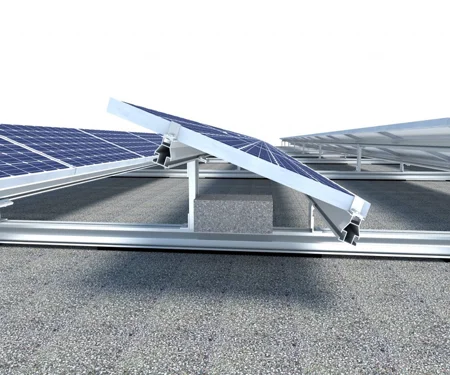
The tariff disparity coincides with a sharp slowdown in Japan’s own aluminium usage, especially within the automotive sector. Reuters reports a 15 per cent drop in Japanese auto parts shipments to the US in Q1 2025. Rising input costs, softer global demand, and lingering trade uncertainty have further strained aluminium-related trade flows.
Auto relief comes with strings attached
Japan’s automotive industry saw some relief after the US–Japan trade pact cut tariffs on Japanese auto exports from 27.5 per cent to 15 per cent. The move was welcomed by automakers, with shares of companies like Toyota jumping 14 per cent post-announcement.
“Japanese manufacturers have absorbed much of the previous tariff burden to stay competitive,” said Koya Miyamae, senior economist at SMBC Nikko Securities, noting that firms kept U.S. prices stable by compressing margins.
However, the deal drew sharp criticism in the US Domestic industry groups such as the United Auto Workers and American Automotive Policy Council argued the agreement creates an uneven playing field, as 25 per cent tariffs on US car exports to Japan remain in place.
In response, Japanese carmakers are deepening their US footprint. Toyota has pledged USD 13.9 billion for a battery plant in North Carolina, while Honda is ramping up hybrid production in Indiana. Toyota now plans to localize 80 per cent of its US vehicle production by 2027 to hedge against future trade risks.
Yet challenges persist: even with the tariff cut, auto parts exports to the US fell over 15 per cent year-on-year in early 2025, even as total auto exports in June climbed 3.4 per cent. Analysts warn that protectionist sentiment and upcoming trade pacts with other countries may introduce new volatility.
Two-speed recovery: services rise as exports fade
As manufacturing stumbles, Japan’s services sector continues to outperform. The S&P Global Services PMI climbed to 53.5 in July, its fastest pace of expansion in five months driven by a recovery in domestic demand and tourism-related spending.
However, cracks are appearing even here. New export business for services fell for the first time in seven months, while employment growth slowed to its weakest pace in nearly two years. The composite PMI, blending manufacturing and services, held steady at 51.5, pointing to moderate overall growth.
Outlook: can Japan shield its industry while services surge?
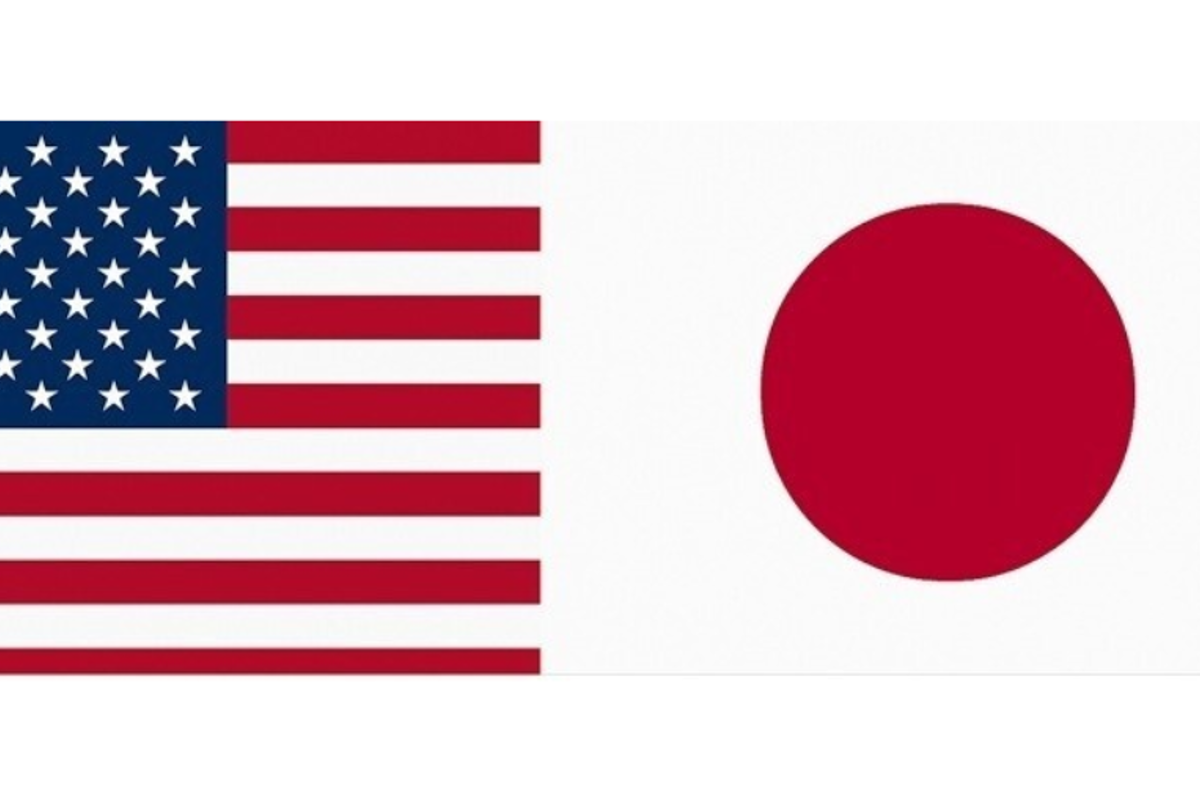
The US–Japan trade deal, announced in July, reduced many tariff risks but left key sectors like steel and aluminium exposed, reinforcing the unequal benefits of bilateral trade arrangements. While Tokyo has touted the agreement as a geopolitical win—especially with USD 550 billion in US investments (much of it government-backed loans through JBIC)—real industrial relief remains uneven.
With global supply chains adjusting to new trade alignments, Japanese policymakers face a dual challenge: safeguard industrial exports like metals and machinery, while leveraging domestic momentum in services to support growth.
Whether Japan can press for broader tariff exemptions—or successfully pivot to alternative markets—may determine its industrial resilience for the remainder of 2025.
Note: To feature your brand and share insights, contribute an article or interview in our forthcoming e-magazine "American ALuminium Industry: The Path Forward".














_md.webp)