Why Chalco's Guangxi Huayin refinery remains central to its aluminium business
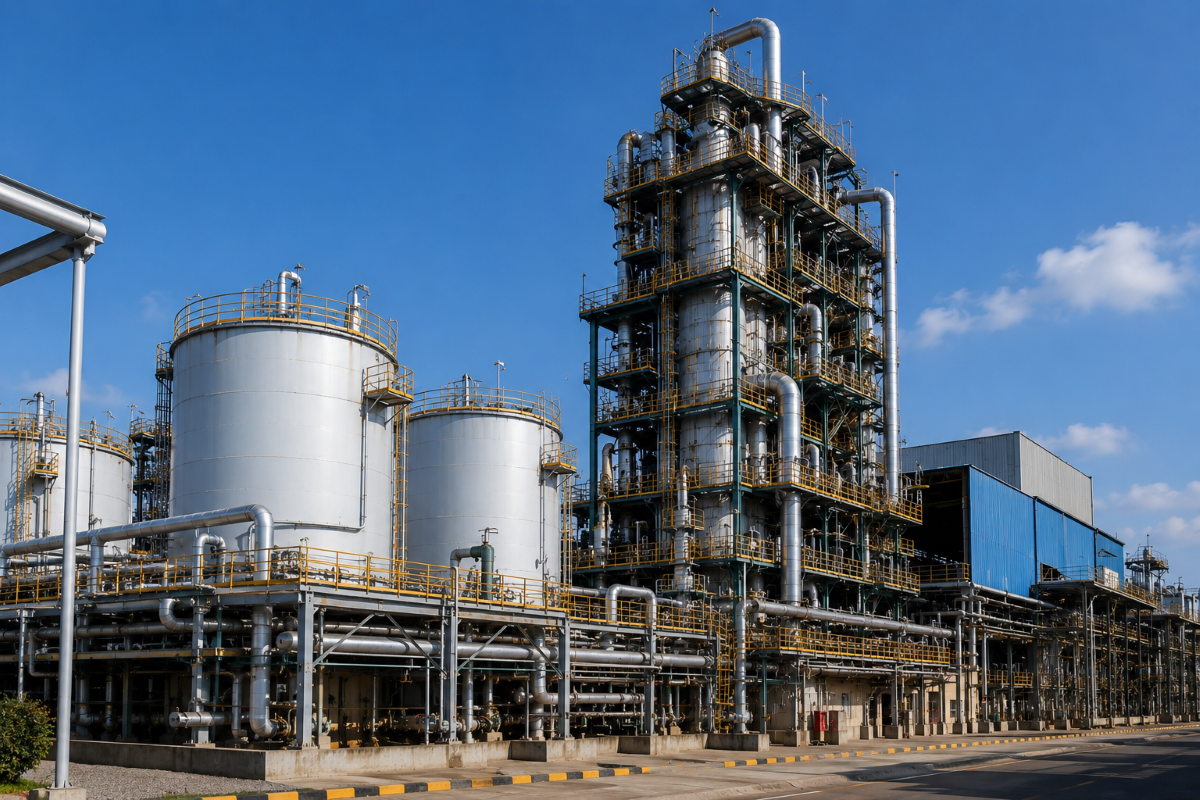
The image used in this article is generated with an AI tool and does not depict any real-time moment
Every aluminium smelter depends on a steady supply of alumina, and securing that supply begins at refineries such as Guangxi Huayin in southern China. Operated by Aluminum Corporation of China (Chalco), the facility converts imported and domestic bauxite into smelter-grade alumina, supplying both the company's own smelting network and external customers along the southern Chinese coast.
For most buyers, the end product is simply a white powder arriving in bulk shipments. Behind that powder, however, sits a refining operation that has become an important part of Chalco's supply chain in a region where high-quality bauxite remains in limited supply.
Bauxite entering Guangxi Huayin passes through the Bayer process before emerging as alumina suitable for aluminium production. Digestion tanks, thick pipe networks and large settling ponds dominate the site, reflecting the scale of an operation built to serve both internal demand and the wider market.
Chinese industry media have identified Guangxi Huayin as one of several large alumina bases developed by Chalco in Guangxi and Shanxi. The facilities were established around long-term bauxite supply agreements and designed to operate at multi-million-ton annual capacities.
Location is part of the equation. Access to ports and major bauxite transportation routes allows the refinery to keep raw materials moving while limiting logistics costs. It also gives Chalco greater room to adjust its bauxite mix when conditions in seaborne markets change.
Explore- Most comprehensive and forward-looking industry-focused report — Global Bauxite & Alumina Market Forecast to 2036: Supply–Demand, Trade Flows & Price Outlook
Maintaining consistency from refinery to smelter
Running an alumina refinery is not simply a matter of maintaining throughput. Smelters require alumina that meets strict specifications for soda content, moisture and particle size, otherwise problems can quickly appear further down the chain. Off-spec material can result in unstable pots, higher energy consumption and potential impacts on metal quality.
That is why engineers spend considerable time adjusting caustic concentrations and precipitation conditions rather than chasing production records alone. Consistency tends to matter more than experimentation when the objective is keeping smelters operating smoothly. Laboratory testing and process-control systems remain a significant part of day-to-day operations for the same reason.
The industry's environmental challenges are present here as well. Alumina refining consumes large amounts of energy and produces red mud, placing facilities such as Guangxi Huayin under increasing pressure as China pushes heavy industry toward cleaner production practices.
Scrubbers, waste-heat recovery systems and tighter tailings-management measures have become part of that response. Chalco has also pointed in policy-related documents to efforts across its major alumina operations to increase the use of cleaner energy sources and expand red-mud utilisation, including its use in construction materials.
Why the refinery matters beyond production
The refinery's contribution can also be seen in the economics of the business. Refining margins are heavily influenced by bauxite costs, electricity tariffs and regional demand trends, meaning performance can change quickly as market conditions shift.
During periods of strong aluminium prices, operations with secure ore supplies and efficient energy arrangements can generate substantial returns. When the market moves in the opposite direction, attention tends to turn to cost savings, supply-contract discussions and process improvements that can be measured in small increments rather than major changes.
Guangxi Huayin's role begins with turning bauxite into alumina, but the decisions made there influence far more than production volumes. Costs, logistics, product quality and environmental performance all meet at the refinery before the material ever reaches a smelter.
Explore our e-magazine ALuminium LeaderSpeak 2026 for the latest industry insights and trends.

Aughinish Alumina red mud expansion stalled after Irish High Court ruling
Next articleEU alumina exports to Russia come under fresh scrutiny from Belarus opposition leader
Grow with
AL Circle





















