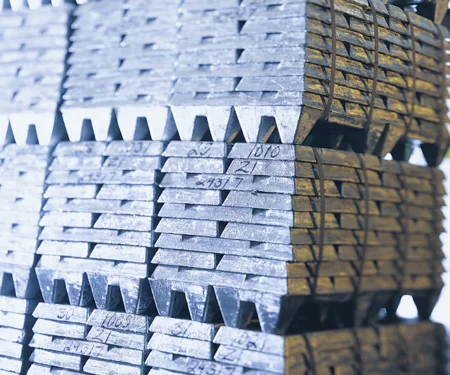
Whisky in aluminium bottles? Scottish distillery’s unconventional approach to environmental concerns
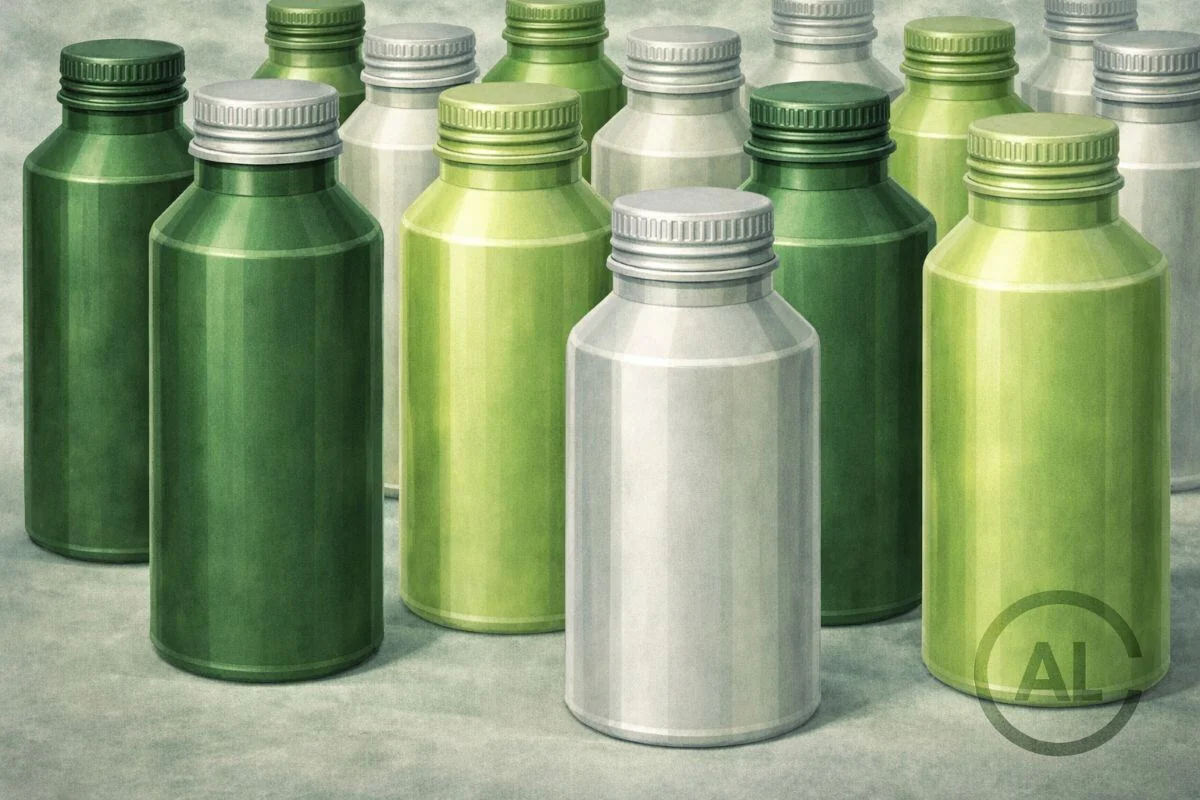
Scotland-based Stirling Distillery is planning to use aluminium bottles to store its whisky. Making this announcement, the company emphasised that metal bottles are more environmentally friendly than traditional glass containers. Delving into research with experts from Heriot-Watt University, the company attempted to explore sustainability options with the aluminium alternative for liquid containers.
Explore- Most accurate data to drive business decisions with Outlook 2026 insights across the value chain
Prompted by sustainability concerns, the distillery explored aluminium alternatives to offer to the customer base. Kathryn Holm of Stirling Distillery explained, “We want to make our distillery as sustainable as possible ahead of our first mature whisky being released in 2027.”
The glass problem
As the whisky producer is seeking ways to reduce the environmental impact of packaging, aluminium emerges as a potential alternative to glass bottles. Long associated with premium whisky, the glass material carries a heavy carbon cost. It is produced under extremely high temperatures. According to the International Energy Agency, the global container and flat-glass industries emit more than 60 megatonnes of carbon dioxide annually. In the UK, though 2.3 million tonnes of glass waste are generated annually, only 750,000 tonnes are recycled into new containers.
Owing to their bulk and weight, glass bottles are also accountable for higher transport emissions. Penrhos, the British gin producer, discovered that switching to aluminium bottles enabled a shipment of over twice as many units in the same space, while simultaneously cutting carbon emissions by 91 per cent. Such upsides have prompted spirits makers to explore aluminium for whisky.
The Heriot-Watt research
Subsequently, working with scientists from Heriot-Watt University, Stirling Distillery studied how whisky would react in aluminium containers. Samples stored in aluminium and glass were assessed through chemical analysis and blind taste tests. Other than a slight shift in some fruity notes, the difference in taste could hardly be detected.
However, when tested for chemical contents, certain organic acids in matured whisky may react with aluminium, and the metal being absorbed into the liquid over time. Dr Dave Ellis of Heriot-Watt University noted, “If we stir samples with aluminium metal, the levels were well above what would be considered acceptable for drinking water.”
According to Professor Annie Hill of Heriot-Watt University, “The next stage of this research would be to find a liner that can withstand high alcohol levels for a prolonged period of time without degrading.”
Nonetheless, aluminium bears potential
Aluminium is already widely implemented using protective internal linings to store food items, beers, wines and other spirits. Hence, in spite of challenges, the researchers and Stirling Distillery do not consider aluminium a dead end. Kathryn Holm stated that while glass remains important, pursuing an alternative to offer consumers a lower-carbon option for a premium product can prove worthwhile.
Professor Hill noted in agreement that although chemical changes were detected in laboratory tests, they did not translate into noticeable differences in aroma. “That’s encouraging,” she said, “if an effective liner can be developed.”
Image for referential purposes only
Must read: Key industry individuals share their thoughts on the trending topics

BIS certification delay results in an increased import rush for beverage cans
Next articleHitachi High-Tech launches FOUNDRY-MASTER Smart 2, enhancing performance and value of stationary optical emission spectrometers
Grow with
AL Circle