Volvo's first electric car turns 50, and the technology has come a long way
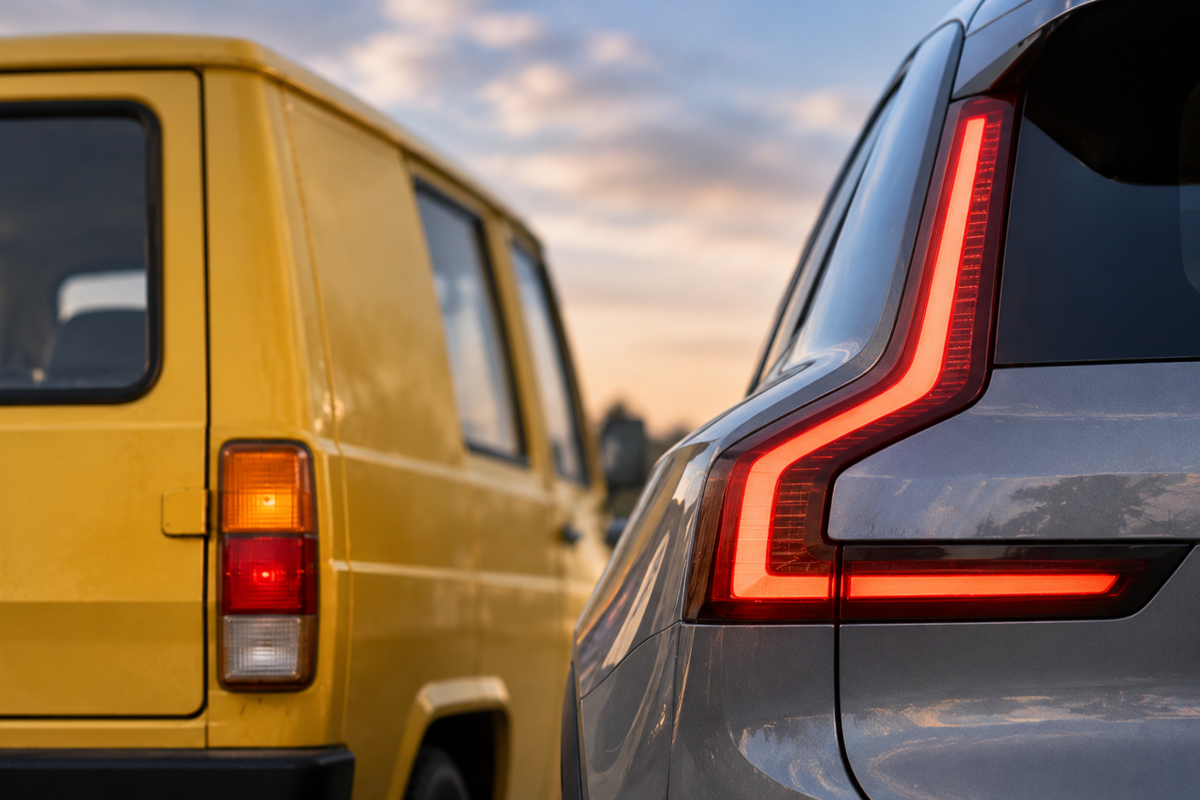
The image used in this article is generated with an AI tool and does not depict any real-time moment
Volvo is marking 50 years since it introduced its first electric car, the Elbil, an experimental vehicle that offered a glimpse of electric mobility long before today's high-range electric vehicles became a reality. Presented in November 1976, the Elbil featured aluminium body panels, a modest 50-kilometre range and a charging time of around ten hours.
Volvo built two prototypes: an orange four-seater and a butter-yellow, two-seat electric delivery van with a sliding door. The latter, partly funded by the Swedish government, was intended for employees of the country's telecommunications authority, Televerket, who would use it for short, emission-free journeys around Gothenburg.
Although the Elbil was designed for local transport rather than long-distance travel, its development involved challenges that continue to shape electric vehicle engineering today, particularly the need to manage vehicle weight.
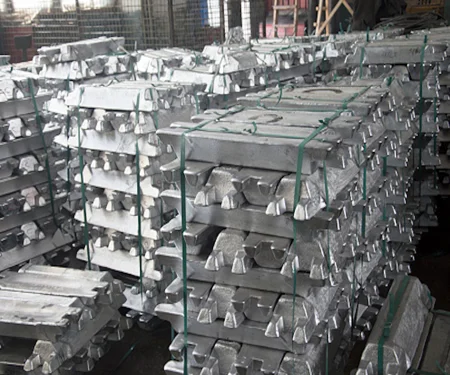
Aluminium played an early role in Volvo's EV design
To keep the vehicle as light as possible, Volvo used glass-fibre-reinforced plastic for the bonnet and tailgate, while the doors and roof panels were made from aluminium. Despite these material choices, the Elbil had a kerb weight of 1,200 kilogrammes.
The vehicle was powered by a 9.5 kW electric motor integrated into the rear axle. A specially developed continuously variable transmission worked alongside the motor to deliver a top speed of up to 70 km/h.
Its energy came from twelve 6-volt lead-acid batteries, providing a driving range of approximately 50 kilometres. Once the batteries were depleted, the vehicle required around ten hours of charging before it could return to the road.
The Elbil was therefore far from a practical option for longer journeys. However, its intended purpose was much narrower: short-distance, local transport with no tailpipe emissions.
To know the aluminium casting demand forecast in the transportation sector, explore our report "Global Aluminium Casting Market 2026-2032: Plant Economics, Alloy Segmentation, Pricing Intelligence, Supply Chain Analysis & Strategic Recommendations"
From overnight charging to a ten-minute break
Volvo's electric vehicle technology has changed considerably over the past five decades. Its modern EX60, in the longest-range P12 AWD Electric variant, offers a claimed range of up to 810 kilometres under the Worldwide Harmonised Light Vehicles Test Procedure (WLTP).
According to the manufacturer, the vehicle can add enough charge for up to 340 kilometres of driving in just ten minutes under optimal charging conditions. Its powertrain output reaches up to 500 kW, more than 50 times the output of the original Elbil.
The changes extend beyond battery performance and charging speeds. While Volvo relied on aluminium and glass-fibre-reinforced plastic to reduce weight in its 1976 prototype, the EX60 uses newer manufacturing and structural technologies.
These include cell-to-body technology, which integrates the battery directly into the vehicle structure, and megacasting. The latter replaces numerous individual components with large castings, simplifying parts of the vehicle's construction.
The contrast between the two vehicles illustrates how far electric mobility has progressed. The Elbil required an overnight charging break after travelling around 50 kilometres, whereas the EX60 can add hundreds of kilometres of range during a short stop under suitable conditions.
Yet the questions surrounding electric vehicles have not disappeared. Drivers and manufacturers continue to debate how much range is necessary for everyday use and what balance of battery capacity, charging speed, vehicle weight and practicality makes the most sense.
Volvo's 50-year electric journey is therefore not just a story of faster charging and longer driving ranges. It also reflects the changing role of materials and manufacturing methods in vehicle design, from the aluminium panels of the original Elbil to the advanced structural technologies used in modern electric vehicles.
Browse through top global suppliers for automobile components on AL Biz.
Grow with
AL Circle














_md.webp)