AlCircle.com
Vietnam’s rare earth export ban – imitating China, developing import-substitution, or laying the foundation for energy transition
Edited by : Debanjali Sengupta
7 min read
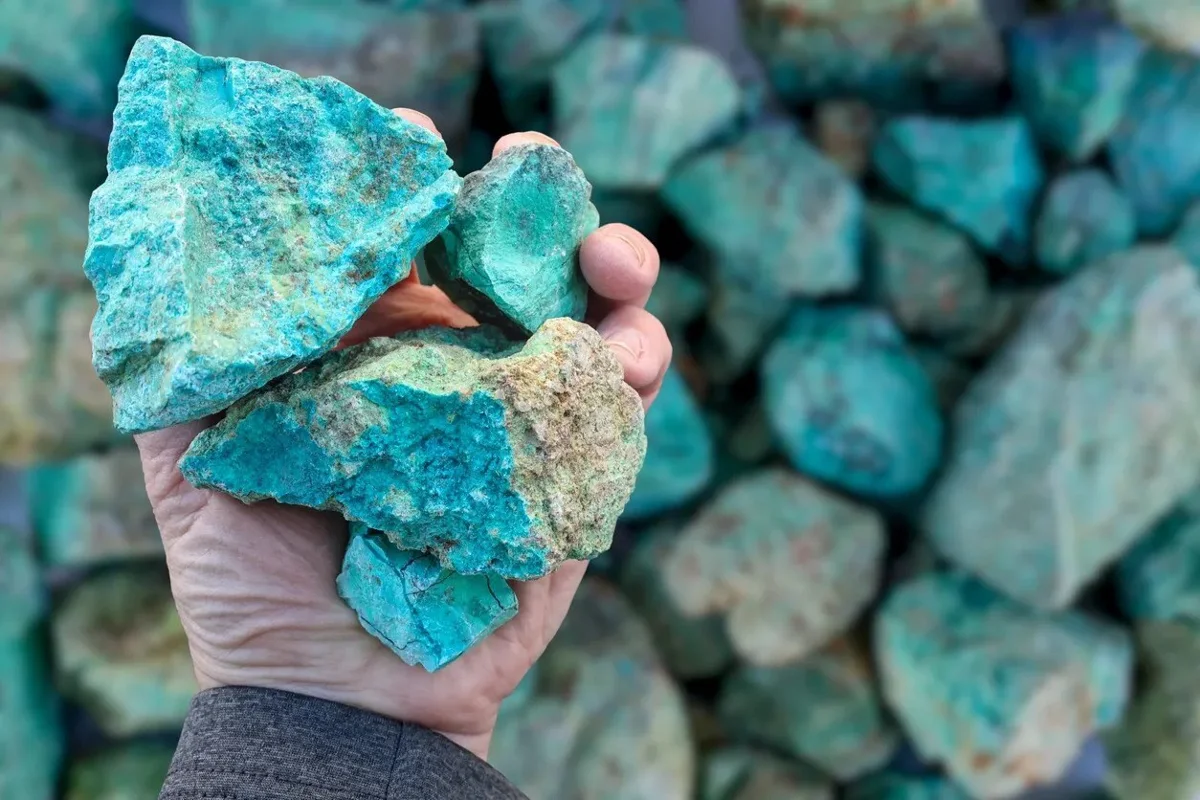
Vietnam is recently being portrayed as “following China’s playbook” on rare earths after it introduced a ban on exports. But if studied closely, they are structurally different with two distinct objectives. While China has restricted its rare earth exports, effective April 4, 2025, using licensing, quotas, and regulatory scrutiny to reinforce its dominance over a supply chain it already controls, Vietnam has put a complete ban, effective January 2026, to supporting its domestic industry that has struggled for decades to exploit its reserves.
中文翻译附于新闻末尾,敬请继续阅读。
China vs Vietnam - imitation of policy or inspiration?
Unlock full access – sign up for FREE.
Key benefits
Find exclusive data-driven insights and in-depth analysis
Get our daily newsletter delivered straight to your inbox
Access real-time and historical price trends from global indices
Post and respond to latest business leads
Stay ahead with alerts on learning tools
...and so much more!SIGN UP / LOGIN
Previous article
Solar in the era of 'energy dominance': Navigating a structural sea change in the US market
Next articleChina Electronics Standardization Institute and IEEE Working Group visit Shaanxi Hydrogen Research Institute to discuss cooperation, accelerating standardisation of hydrogen-powered drones
Grow with
AL Circle