Vedanta Aluminium: Is rising bauxite risking the next earnings fault line?
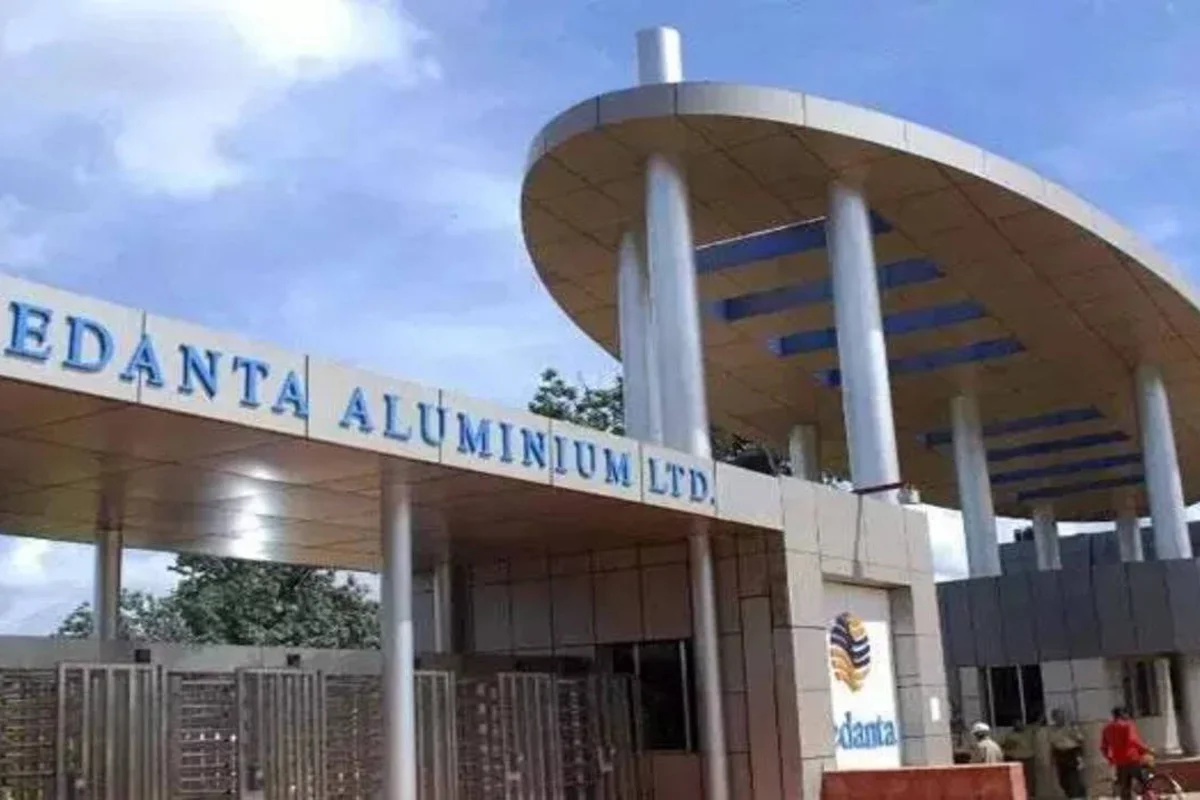
The industry is well aware and versed that aluminium production is highly dependent on its raw material, bauxite, required from alumina refining to smelting. To date, aluminium has been the key revenue driver for Vedanta Aluminium, India’s largest producer of aluminium products, contributing nearly 40 per cent. However, in the current scenario, the company is becoming sensitive to the bauxite risk due to availability, regulatory approvals and the import costs, posing a direct impact on the firm’s overall financial results.
Vedanta’s raw material security meets a crossroad
A few days earlier, it was reported that the firm is attempting to secure bauxite supplies in order to support its core business, given the regulatory delays, resistance from local communities and vital legal proceedings. Obstacles like the halt of the Sijimali bauxite mine in Odisha due to opposition raised by local residents, putting a hold by the Central Government on the Stage 1 forest clearance and others. All these issues have made it pressing for Vedanta to source the raw material, making the firm highly reliant on imports.
Raw material challenges affecting Vedanta's mining
In the long run, the cost competitiveness of the firm highly depends on the shift to captive bauxite mining. Irrespective of the Odisha-based mine got the approval for the initial forest clearance, there are various approvals are on hold, including the environmental and the final forest clearances.
The delays are taking place due to regulatory processes and the opposition made by the local people, making the timeline uncertain for mining. This is the major reason behind the firm being highly reliant on the external suppliers and exports, which are subject to a highly volatile pricing structure.
In addition to this, the company's sourcing of bauxite from OMC is also currently facing a legal dispute, which is deemed to create an overhang on its earnings significantly. Any verdict against the firm can result in retrospective payments for highly different pricing and further force the company to source bauxite at a high auction-linked price.
No relief by importing too
As there is a prevailing disruption in the overseas supply arrangements, the dependency of the firm on the spot market and imported bauxite is also increasing rapidly. This way, the firm's produced aluminium is becoming viable to the global price fluctuations, foreign exchange risk and freight cost volatility. This exposure of the firm becomes affected in terms of reducing cost predictability as well as its ability to make long-term plans concerning its margin with certainty.
Directly affecting capacity expansion
While the firm is expanding the capacity of its alumina refining and aluminium smelting, the success of the added capacity is subject to risk without an assured captive bauxite supply. This is mainly due to the higher throughput, which directly increases the cost of the raw materials while sourcing from external forces. This risk is created by the volume growth, which is not balancing properly with the growth in earnings.
Must read: Key industry individuals share their thoughts on the trending topics
Financial implication of these challenges
In Q2FY26, the firm's revenue stood at INR 398.68 billion, which showed a year-on-year increase of 5.9 per cent, which in Q2FY25 recorded INR 376.34 billion. Quarter-on-quarter, the growth showed an increase of 5.4 per cent, which moved INR 378.24 billion in Q1FY26, which marks a steady expansion.
The EBITDA also jumped and reached INR 113.96 billion, presenting an increase of 16 per cent year-on-year from INR 98.28 billion and 14.9 per cent quarter-on-quarter from INR 99.18 billion. These results directly relate to the firm's strong operational performance and the margin improvement in the quarter.
On the other hand, the firm's profit showed a decline of 37.9 per cent year-on-year, reaching INR 34.79 billion in Q2FY26 from INR 56.03 billion in Q2FY25. Quarter-on-quarter, it showed a decline of 21.9 per cent, shifting from INR 44.57 billion in Q1FY26.
The company's Lanjigarh facility, in Q3FY26, recorded alumina production of 794KT, setting a new record for quarterly output. This is highly owed to the robust operational momentum, with production soaring by 57 per cent compared to the previous quarter and up 22 per cent from the same time last year.
On the other hand, the company's aluminium production in Q3FY26 stood at 620 KT, showing an increase of 1 per cent year-on-year. This consistent output highlights the company’s ongoing stability in aluminium manufacturing, as it maintains steady production levels while achieving slight growth.
To know more about the global primary aluminium industry 2026 outlook, pre-book the report “Global ALuminium Industry Outlook 2026” at a special price.
_0_0.png)
EIB backs METLEN’s bauxite modernisation and gallium productiion with EUR 90 million
Next articleUkraine’s 2025 bauxite imports climb strongly, reshaping raw material flows
Grow with
AL Circle