US imposes countervailing duties on solar imports from India, Indonesia and Laos
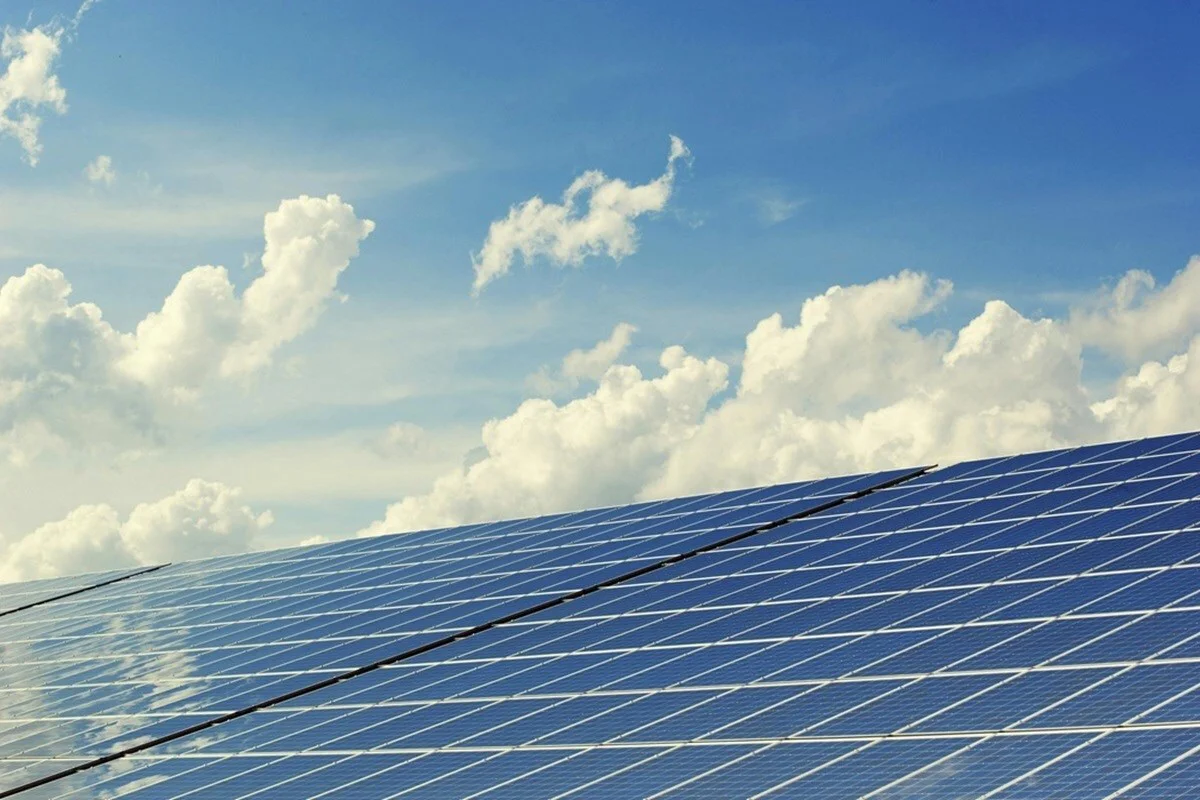
The US Commerce Department has imposed a countervailing tariff on India, Indonesia and Laos to restrain the growing Asian industries. The duties are specifically for the solar cells and panels exported by these countries.
For the global aluminium value-chain 2026 outlook, book our exclusive report “Global ALuminium Industry Outlook 2026"
The decision aims to offset government subsidies given to solar companies in these countries, which make US solar products less competitive. This action is part of a broader pattern of duties imposed over the past decade on low-cost solar imports from Asia, many of which are produced by Chinese companies.
According to the US Commerce Department, subsidy rates of 126 per cent for India, 104 per cent for Indonesia and 81 per cent for Laos will be in effect. The three nations were responsible for USD 4.5 billion for importing solar trading in 2025, which was around two-thirds of the total imports. Previously, the US disrupted the solar imports by imposing a steep tariff, about 3500 per cent on Malaysia, Vietnam, Thailand and Cambodia, which used to dominate the market.
This announcement was expected after a case filed by a small portion of US solar manufacturers and traders. Additionally, the Commerce Department is expected to state a separate decision next month on whether the companies sold the solar products below their production cost in the US market. Hanwa Qcells of South Korea, First Solar of Arizona, US and San Antonio based Mmission solar are some of the petitioners that are looking for the protection of the investment they made in the US factories.
“American manufacturers are investing billions of dollars to rebuild domestic capacity and create good-paying jobs. Those investments cannot succeed if unfairly traded imports are allowed to distort the market,” stated Tim Brightbill, the lead attorney for the alliance.
In addition to general subsidy rates, the Commerce Department assigned specific rates to certain companies, such as 125.87 per cent for Mundra Solar in India; 143.3 per cent for PT Blue Sky Solar and 85.99 per cent for PT REC Solar Energy in Indonesia, and 80.67 per cent for Solarspace Technology Sole Co and Vietnam Sunergy Joint Stock Company in Laos.
Matthew Nicely, an attorney for Solarspace, said the company was disappointed and claimed that the rate does not accurately reflect its business situation. The other companies did not immediately respond to requests for comment, as a final verdict on the rates of countervailing taxes is still pending until July.
Don’t miss out- Buyers are looking for your products on our B2B platform

Atlas Renewable Energy closes Latin America's largest clean energy storage refinancing at $3 billion
Next articleAlba recognises 16 national employees with ‘Inspirational Employee of the Year’ award
Grow with
AL Circle