US DOE backs rare earth recovery projects with $134M funding
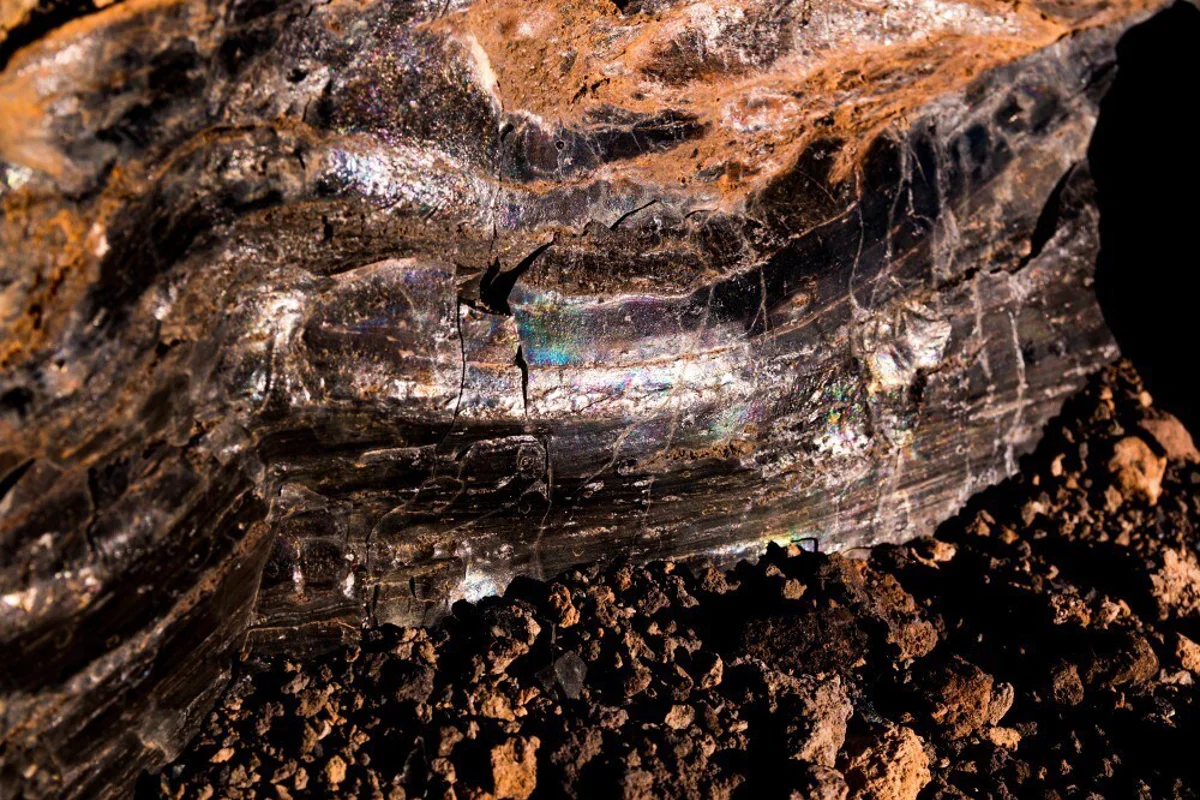
Stock image for referential purposes only
The US Department of Energy (DOE) has announced USD 134 million in funding for two projects focused on recovering rare earth elements from waste materials.
The funding will support projects being developed by the Colorado School of Mines and Phoenix Tailings as part of efforts to increase the availability of rare earth materials within the United States.
One of the projects will be built near the Gramercy alumina refinery in Louisiana. The facility will process red mud, a waste product generated during alumina production from bauxite. The project aims to recover rare earth oxides from the material and convert them into rare earth metals that can be used by industry.
The Colorado School of Mines is carrying out the project with support from ElementUSA, Pacific Northwest National Laboratory, and Principal Mineral and Rare Earth Technologies.
Explore: The most comprehensive and forward-looking industry-focused report – Global Bauxite & Alumina Market Forecast to 2036: Supply–Demand, Trade Flows & Price Outlook
The second project will be led by Phoenix Tailings. It involves building a facility that will extract rare earth metals from industrial waste materials and produce high-purity products.
Phoenix Tailings is working with the Massachusetts Institute of Technology (MIT) and the University of Minnesota on the project.
According to the DOE, both projects are intended to show that waste materials can become a useful source of rare earth elements, reducing the need to rely entirely on newly mined resources.
Commenting on the announcement, Assistant Secretary of Energy Audrey Robertson said the projects would help find value in materials that are often discarded and support the country's access to rare earth resources.
The funding will be managed through the DOE's Manufacturing Deployment Office, which supports the development of rare earth processing projects in the United States.
Explore our e-magazine ALuminium LeaderSpeak 2026 for the latest industry insights and trends

Oil price jumps 8% after Iran’s Bab el-Mandeb block: Is aluminium next in line?
Next articleGMDC partners with Cambridge to launch India's first AI-powered rare earth observatory
Grow with
AL Circle