US aluminium tariff changes signal lasting policy shift, ING says
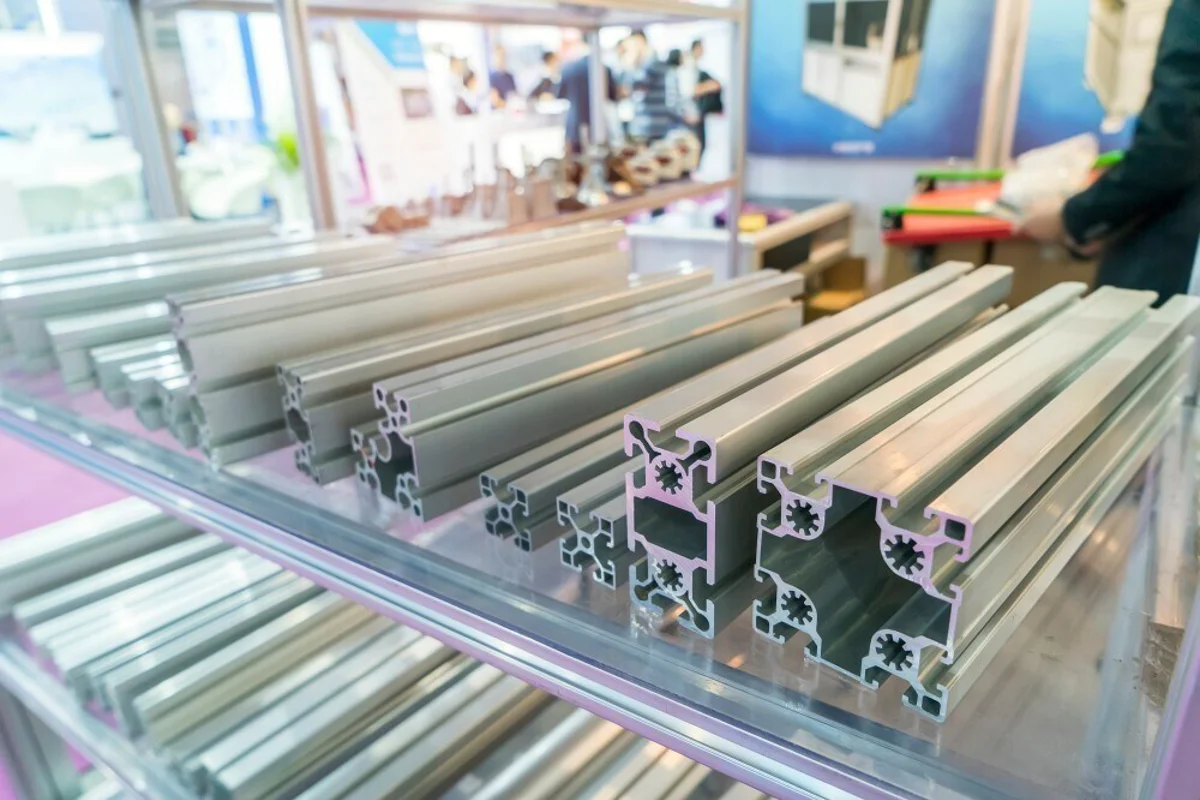
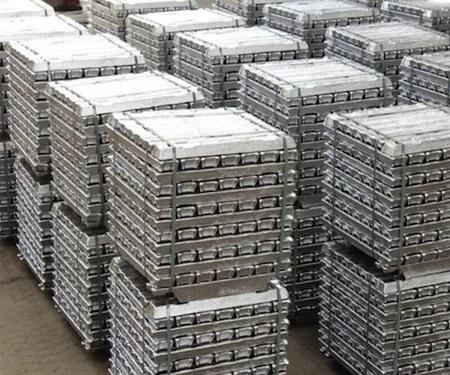
Stock image for referential purposes only
Recent changes to US aluminium tariffs are likely to become a permanent feature of the country's trade policy rather than a temporary measure, according to analysts at ING, who say the changes point to a broader shift towards long-term protectionism.
In a recent market note, ING's commodities team said the latest tariff adjustments reflect the US administration's continued focus on strengthening domestic aluminium production and improving supply security. Analysts believe these goals suggest that the current tariff regime will remain in place for the foreseeable future, contrary to expectations that trade restrictions could eventually be eased.
Higher US aluminium prices expected to persist
ING said the continued tariff regime is expected to keep US aluminium prices above international benchmarks, supporting a price premium that has already affected global trade patterns.
The higher domestic pricing environment has redirected aluminum shipments to other markets, while increasing costs for US consumers and manufacturers.
Explore: The most comprehensive and forward-looking industry-focused report – Global Bauxite & Alumina Market Forecast to 2036: Supply–Demand, Trade Flows & Price Outlook
ING added that greater policy certainty could encourage investment in domestic aluminum smelting capacity in the longer term. But the bank also said high power costs and regulatory hurdles remain significant barriers to expanding primary aluminium production in the United States.
Supply chains are still changing
The report also pointed to the growing impact of the tariff regime on downstream aluminium users.The automotive and aerospace industries are reviewing their sourcing strategies in the light of higher domestic prices.
While some manufacturers are signing longer-term supply agreements with US aluminium producers, others are considering alternative production locations or substitute materials to manage costs.
ING said the combination of aluminium tariffs and broader trade measures is contributing to a more fragmented global aluminium market, with supply chains increasingly shaped by geopolitical and strategic considerations rather than purely commercial factors.
The analysts concluded that companies should prepare for a prolonged period of elevated US aluminium prices, changing trade flows and a stronger focus on domestic supply security as the country’s aluminium trade policy continues to evolve.
For more in-depth insights and exclusive analysis on the global aluminium industry, explore the e-Magazine - Mine to Market: ALuminium Producers & Manufacturers 2026
LME aluminium cash offer price rises 0.68% on July 22 as exchange stocks decline
Next articleGlobal aluminium deficit may widen beyond 900Kt amid Hormuz shipping disruptions
Grow with
AL Circle