Unprecedented surge: 2023 witnessing a historic high in global coal consumption
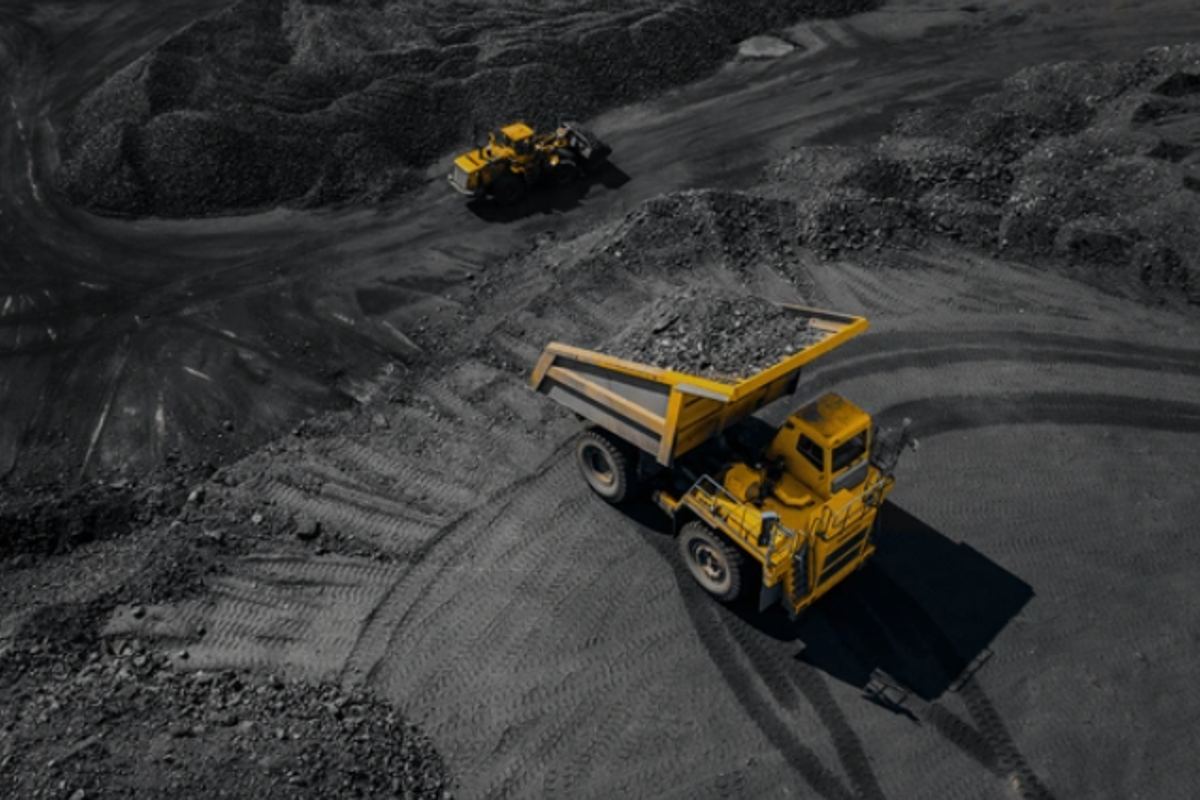
The International Energy Agency (IEA) predicts that global coal consumption will reach an all-time high in 2023 due to sustained demand in emerging and developing economies.
Increase in demand
The International Energy Agency (IEA) reported a projected 1.4 per cent increase in coal demand for 2023, reaching a historic milestone of over 8.5 billion tonnes. This surge is attributed to an anticipated 8 per cent growth in usage in India and a 5 per cent increase in China. The rise is driven by heightened electricity demand and decreased hydropower output. Notably, coal, a major contributor to CO2 emissions and other greenhouse gases, remains the primary source of energy-related environmental impact linked to global warming.
China is responsible for half of the world's coal consumption, and the speed of clean energy adoption, weather patterns, and changes in the Chinese economic structure will heavily influence the future of coal usage. The report indicates that coal usage is expected to decrease by approximately 20 per cent this year in both the European Union and the United States.
What does the agency have to say?
The Paris-based autonomous intergovernmental organisation mentioned the challenges in predicting demand in Russia, which is presently the fourth-largest consumer of coal, citing the ongoing Ukraine-Russia geopolitical crisis as a complicating factor.
The IEA highlighted that the decline in coal usage is anticipated to occur around 2026. The significant increase in renewable capacity over the next three years is expected to contribute to a 2.3 per cent reduction in coal usage compared to 2023 levels, even without more robust clean energy policies.
The report anticipates that global consumption will exceed 8 billion tonnes in 2026. According to the report, it is imperative that unabated coal usage is reduced more rapidly in order to meet the goals outlined in the Paris Climate Agreement of 2015. Governments pledged to replace fossil fuels with renewable energy by the end of the century.
During the recent United Nations COP28 climate talks in Dubai, leaders from around the world reached a historic agreement. For the first time, nations committed to transitioning away from fossil fuels as a crucial step to mitigate the severe impacts of climate change.
Climate Agreement stops short of fossil fuel phase-out, emphasises just transition
The agreement fell short of advocating for a complete "phase-out" of fossil fuels, a plea made by over 100 nations. Instead, it emphasised the need to "transition away from fossil fuels in energy systems, in a just, orderly, and equitable manner, accelerating action in this critical decade."
A strategist from an environmental non-governmental organisation stated that the draft's omission of clear "phase-out" language carries significance, as it represents a more measurable and decisive term. This omission sends a robust global message, signalling a complete departure from fossil fuels. The present term, "transitioning away," possesses a degree of ambiguity, permitting diverse interpretations.
Aluminium industry faces urgent call for near-zero emission
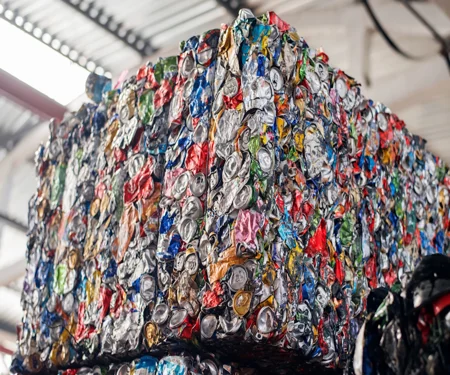
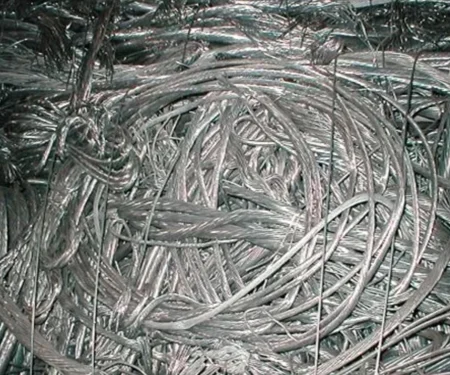
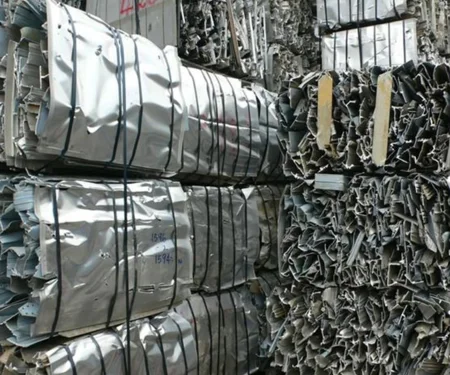
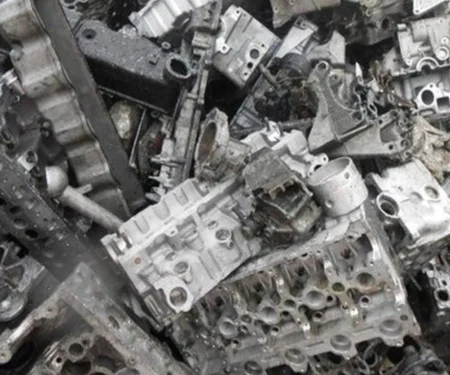
Primary aluminium production demands substantial energy input and stands as a highly energy-intensive sector. The International Energy Agency states that aluminium plays a crucial role in various technologies essential for the ongoing energy transition. Yet, it represents a significant contributor to CO2 emissions, releasing approximately 270 million tonnes of direct CO2 emissions in 2022, constituting about 3 per cent of the world's direct industrial CO2 emissions. Despite a moderate decline of almost 2 per cent per year in the global average direct emissions intensity of aluminium production over the past decade, the Net Zero Emissions by 2050 (NZE) Scenario necessitates a considerable acceleration of this decline to nearly 4 per cent per year by 2030. To align with these targets, the aluminium sector must actively pursue the development and implementation of near-zero emission technologies, aiming for profound emissions reductions in alumina refining, as well as in both primary and recycled aluminium production. Simultaneously, the industry and its stakeholders must intensify scrap collection, sorting, and recycling efforts to enhance sustainability practices and minimize environmental impact.
Key highlights from the global aluminium industry, December 2023
Next articleLME aluminium benchmark price gains US$22/t to US$2,335.50/t; SHFE market is closed for New Year
Grow with
AL Circle