AlCircle.com
United Nations suggests recycling metals from ‘urban mines’
Edited by : AL CIRCLE
2 min read

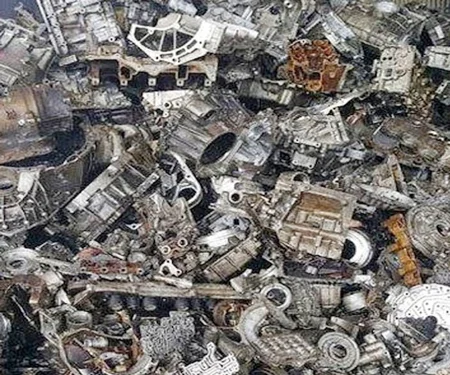
United Nations Environment Programme states that the average amount of e-waste generated globally amounts to almost 50 million tons and is expected to grow by a whopping 500 percent over the next decade. Surprisingly, only 15-20 percent of the waste is recycled and as a result a lot of it goes to landfills or incinerators causing pollution and at the same time a lot of valuable metal is wasted.
The discarded e-waste not only causes pollution due to the presence of lead, mercury and cadmium which releases toxic fumes into the environment when burned or disposed improperly. A lot of valuable metal is also wasted leading to needless mining of new metals when the same could be derived from the waste.
Dr Damien Giurco, a researcher in UTS Institute for Sustainable Futures says, “We’ve found that recovering the five million tonnes of metals such as iron, aluminum and copper locked up in landfills or discarded products could provide up to 70 per cent of Australia’s metal consumption each year.”
Substantial amount of metal can also be extracted from buildings and Professor Thomas Graedel from the Yale School of Forestry and Environmental Science says, “Today’s buildings and their contents therefore present large ‘urban mines’ of around 400 million tonnes of aluminium metal that can be extracted and recycled by future generations through the use of only five per cent of the originally used energy, not just once but repeatedly.
By utilizing the metals available in these ‘urban mines’ the pollution caused by e-waste can be controlled and unnecessary mining for metals can be curbed.
The discarded e-waste not only causes pollution due to the presence of lead, mercury and cadmium which releases toxic fumes into the environment when burned or disposed improperly. A lot of valuable metal is also wasted leading to needless mining of new metals when the same could be derived from the waste.
Dr Damien Giurco, a researcher in UTS Institute for Sustainable Futures says, “We’ve found that recovering the five million tonnes of metals such as iron, aluminum and copper locked up in landfills or discarded products could provide up to 70 per cent of Australia’s metal consumption each year.”
Substantial amount of metal can also be extracted from buildings and Professor Thomas Graedel from the Yale School of Forestry and Environmental Science says, “Today’s buildings and their contents therefore present large ‘urban mines’ of around 400 million tonnes of aluminium metal that can be extracted and recycled by future generations through the use of only five per cent of the originally used energy, not just once but repeatedly.
By utilizing the metals available in these ‘urban mines’ the pollution caused by e-waste can be controlled and unnecessary mining for metals can be curbed.
Unlock full access – sign up for FREE.
Key benefits
Find exclusive data-driven insights and in-depth analysis
Get our daily newsletter delivered straight to your inbox
Access real-time and historical price trends from global indices
Post and respond to latest business leads
Stay ahead with alerts on learning tools
...and so much more!SIGN UP / LOGIN
Previous article
Pakistani producers urge FBR to repeal duty on aluminium scrap import
Next articleNorth American aluminium secondary Recovery Up 4.4% in 2014
Grow with
AL Circle