AlCircle.com
UAE estimated to export 192,887 tons of aluminium scrap in 2016
Edited by : Beethika Biswas
3 min read

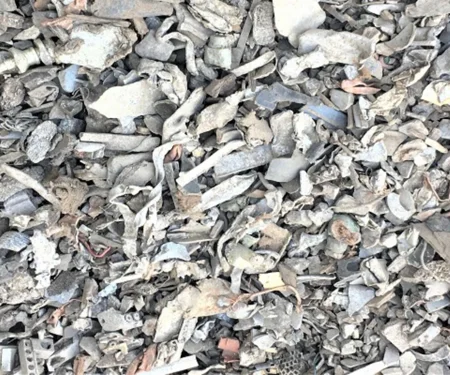
<p>The Middle East and North Africa (MENA) has been a major exporter of primary aluminium production. Taking a shift from oil, the aluminium industry in the GCC (Gulf Corporation Council) has become a key driver of the economy. Interestingly, Middle East is one of the leading aluminium scrap generator globally.<br /><br />However, like the primary aluminium, most of the aluminium scrap is exported to various countries. The aluminium recycling market is still at a developing stage in the Middle East as the downstream industry is mostly dependent on primary aluminium for the their applications. Middle East has a about 20 per cent aluminium recycling rate, which includes smelter re-melting, scrap generation, and secondary re-melting. The Kingdom of Saudi Arabia and the United Arab Emirates (UAE) are the two major aluminium recycling hubs in the Middle East.<br /> <br />In 2014, Frost & Sullivan estimated that the total Aluminium Scrap generated in the Middle East would reach 500,000 tons (MT) by 2015, of which 360,000 MT is set to be exported to market destinations including India, South Korea, Pakistan, China, Europe, and North America.<br /><br /><img style="vertical-align: middle; display: block; margin-left: auto; margin-right: auto;" src="http://www.alcircle.com/uploads/images/al%20scrap%20export%201.jpg" alt="News" width="480" height="420" /><br />According to the recent estimate, in 2015, UAE alone exported 178,827 tons of aluminium scrap globally. The top importers are India, USA, South Korea, Germany, Pakistan, Turkey and Spain. The total cost of the export amounts to US$ 380 million tons.<br /> <br />Compared to 2015, in 2016, UAE exported an estimated 192,887 tons of aluminium scrap. (Actual data from January to May and estimated from June to December). The top importers are India, Pakistan, Turkey, Spain USA and Germany. The total cost of the export amounts to US$ 463 million tons. This records a growth of 7.8 % YOY. <br /><br /><img style="display: block; margin-left: auto; margin-right: auto;" src="http://www.alcircle.com/uploads/images/scrap%20value%20in%20dollar%202.jpg" alt="News" width="480" height="420" /><br /><br />On an YTD comparison, UAE exported an estimated 101,525 tons of aluminium scrap from January to June in 2016 which recorded a rise of 14% from 89,041tons of aluminium scrap exported in the same period of 2015.<br /><br />{googleAdsense}<br /><br />Such huge amount of aluminium scrap getting exported every year from just one country in Middle East calls for the growth of an equally strong Secondary aluminium industry in the Middle East. The Middle East especially the GCC being is one of the fastest growing aluminium markets in the world, we can expect the secondary industry to grow along with the development of new smelters and expansions and adaptation of new technologies. Many downstream players are already boosting scrap re-melting capacities, cutting down energy costs, and becoming operationally efficient to cut production costs and gain on carbon footprint.<br /><br />In our next highlight, we would cover another scrap hub of Middle East- Saudi Arabia. <br /><br /></p>
Previous article
Laos artisans transforming scrap aluminium from bombs into soup spoons and jewellery
Next articleSaudi Arabia becomes an export hub for aluminium scrap in the East
Grow with
AL Circle