Turkey’s aluminium import likely to see a drop in 2018; Russia to be the major supplier
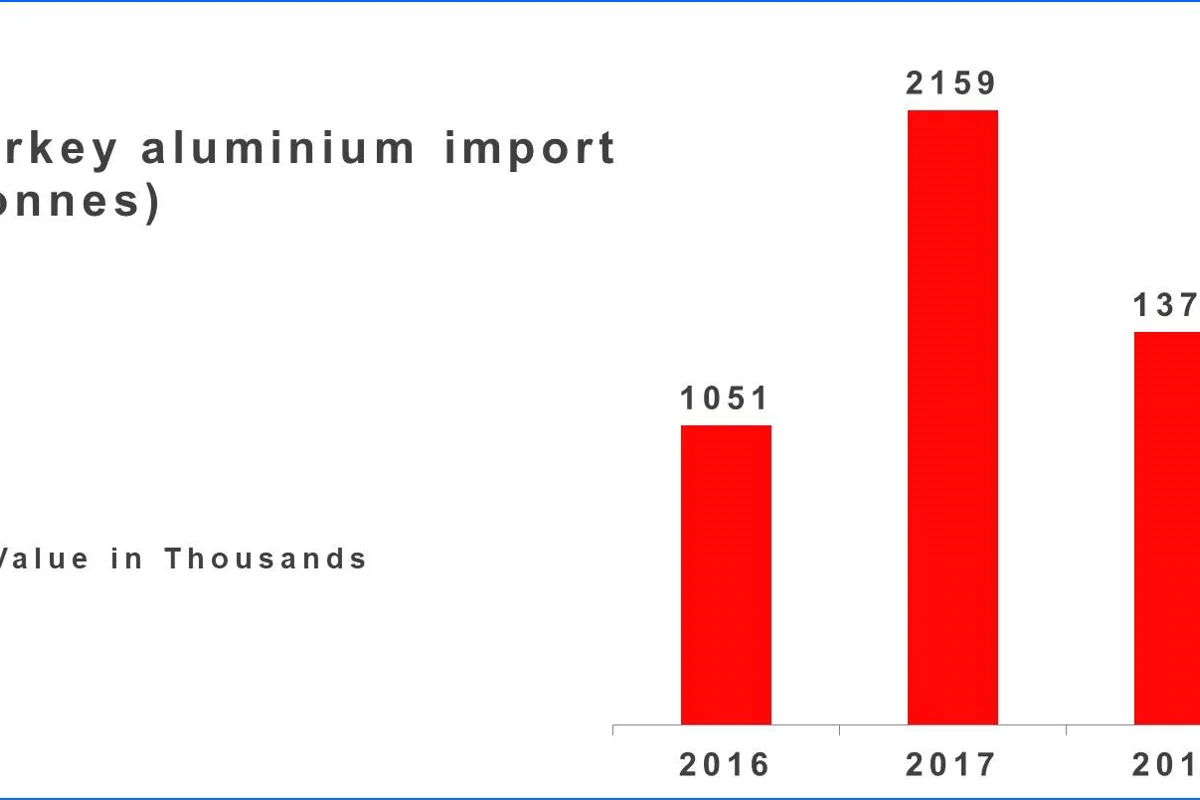
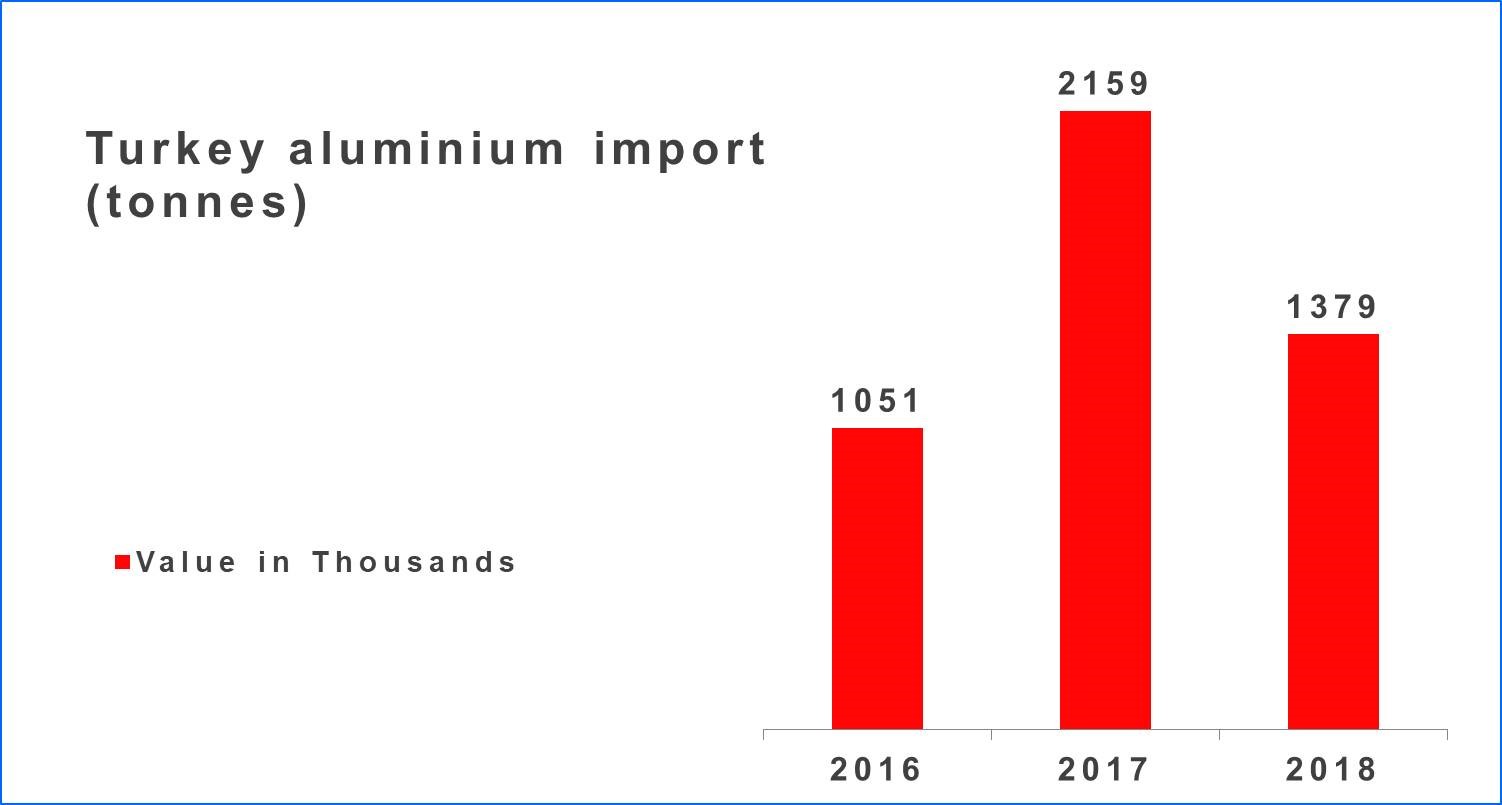
According to the global export-import data, Turkey’s aluminium import, including both alloy and non-alloy, is forecast to see a drop in 2018 after a sweeping rise in the last year. In 2017, Turkey had imported a total amount of 2,158,883 tonnes of primary aluminium, up 105 per cent from 1,051,214 tonnes in 2016. But this year, the country’s estimated volume of aluminium import is likely to drop 36 per cent to 1,378,802 tonnes than the previous year. However, compared to 2016, the volume of aluminium import is expected to stand higher by 31 per cent.
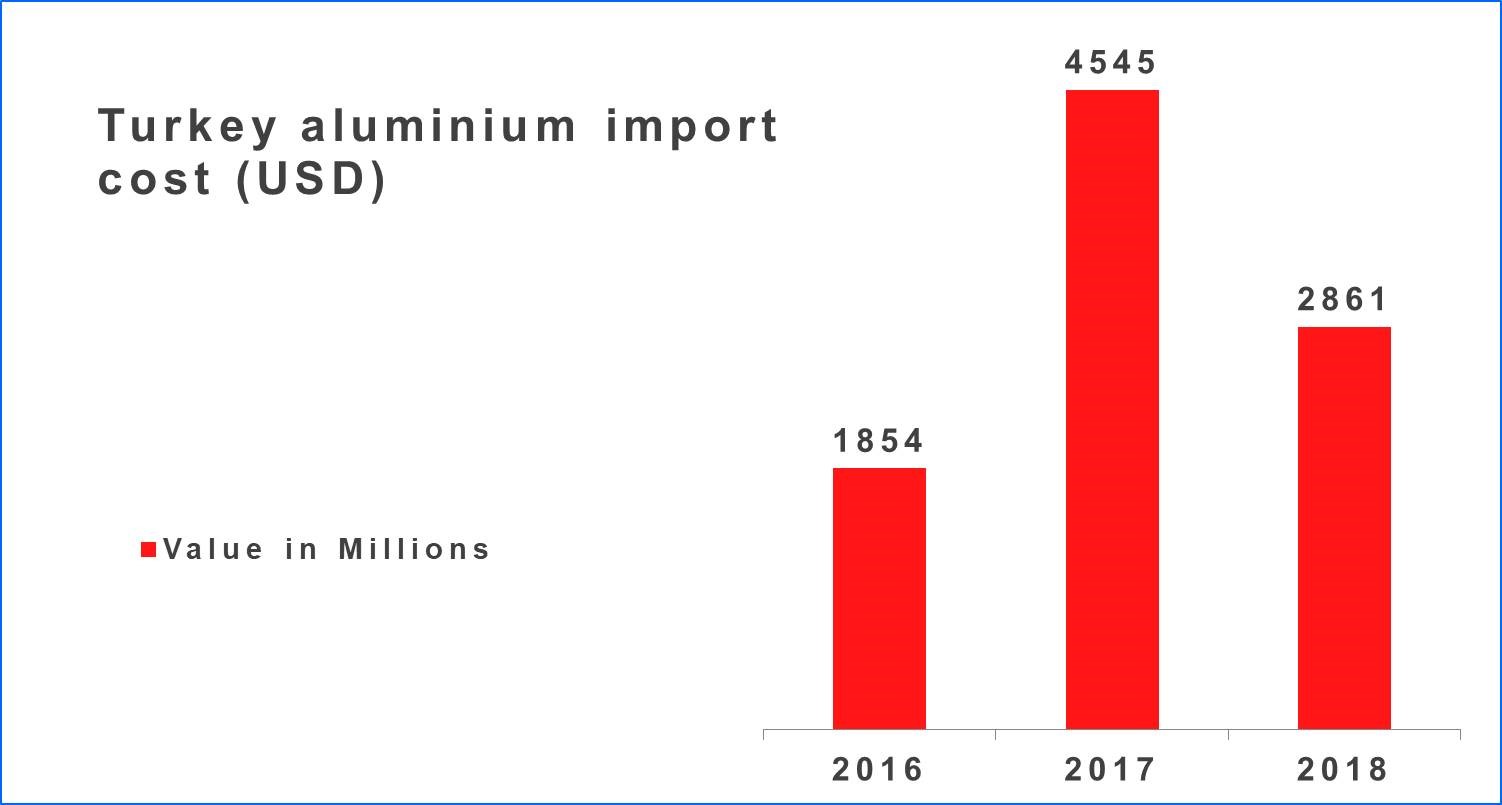
Consequently, with the drop in import volume, Turkey’s aluminium import cost is also likely to stand down this year. In 2017, the import cost was at US$ 4545 million, after rising 145 per cent from US$ 1854 million in 2016. But this year, the cost is likely to slip 37 per cent from 2017 but will remain higher by 54 per cent than in 2016.
According to the market report by Technavio, Turkey's aluminium manufacturing market in Turkey will grow at a moderate CAGR of approximately 4 per cent until 2020. The downstream players are increasing their R&D budgets to develop products that will meet the standards of their end users scattered globally. An increase in the R&D spending will help manufacturers to modernize their production processes and improve their overall productivity. This entire process will eventually lead to a rise in demand for aluminium alloyed and non-alloyed ingots pushing import volumes higher year-on-year.

This year, the largest aluminium exporter to Turkey is likely to be the Russian Federation supplying 202,324 tonnes, followed by Iran and India exporting 99,235 tonnes and 96,461 tonnes respectively. Bahrain, United Arab of Emirates, Tajikistan, Malaysia, Kazakhstan, and Saudi Arabia are estimated to be the other major exporters to Turkey this year.
U.S Treasury further extends wind-down period for Rusal to December 12
Next articleNalco CMD estimates aluminium consumption rise in India to 7.2 million tonnes in next five years
Grow with
AL Circle


