Tsingshan asks Indonesian nickel producers to cut output to support aluminium operations
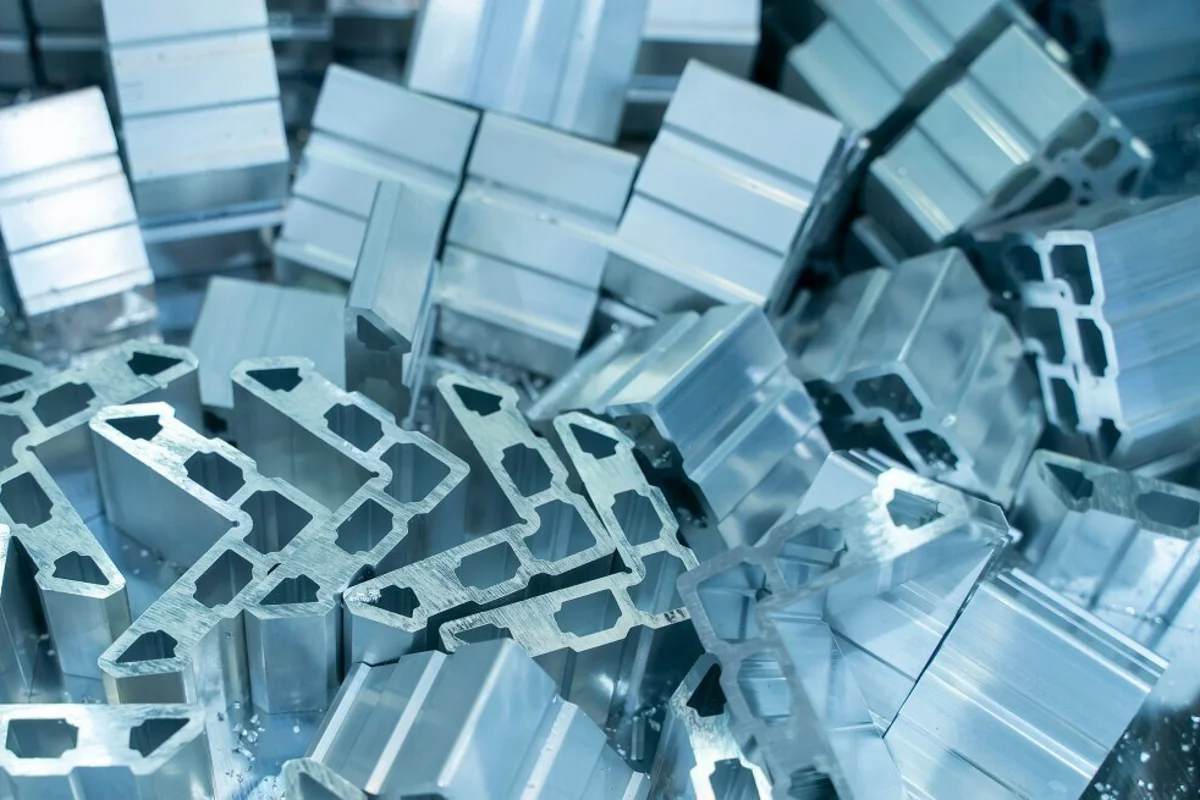
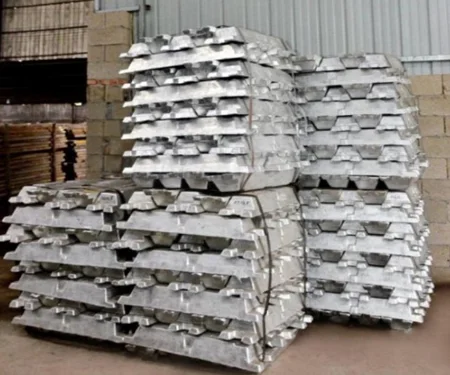
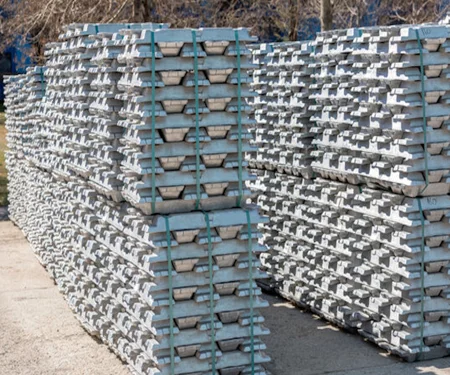
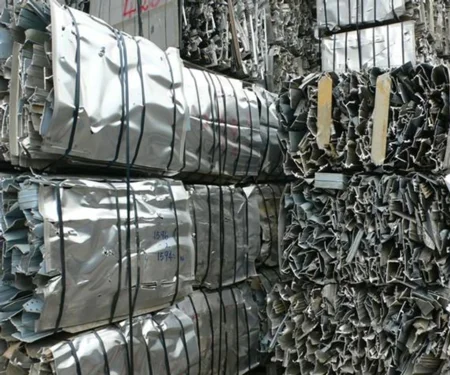
Stock image for referential purposes only
Tsingshan Group has reportedly asked several nickel pig iron (NPI) producers operating at Indonesia’s Weda Bay industrial park to curb production in June as the company prioritises electricity supply for aluminium operations.
According to sources familiar with the matter, the request was made last week to producers of NPI, a key material used in stainless steel manufacturing.
The move reflects growing pressure on power availability at the Weda Bay complex, where Tsingshan has expanded into aluminium production through a joint venture with Xinfa.
Industry sources said Tsingshan has increasingly shifted focus toward aluminium after prices for the metal rose sharply following disruption linked to the Iran conflict and shipping uncertainty around the Strait of Hormuz.
Explore our e-magazine Mine to Market: ALuminium Producers & Manufacturers 2026 for the latest industry insights and trends.
Benchmark aluminium prices on the London Metal Exchange have reportedly climbed more than 12 per cent since the conflict began, helping improve margins for aluminium producers.
The Weda Bay industrial park, located on Indonesia’s Halmahera Island, contains more than 700,000 tonnes per year of nickel-in-NPI production capacity, according to investor material released by Eramet, which partners with Tsingshan in PT Weda Bay Nickel.
The site also houses the Tsingshan-Xinfa Juwan aluminium project, which has an annual production capacity of 250,000 tonnes.
Both aluminium smelting and NPI production require large amounts of electricity, and sources said the park’s captive power generation system has struggled to keep pace with rapid smelter expansion.
Analysts noted that aluminium margins have recently become significantly more attractive than those for nickel pig iron production, where profit margins were already under pressure.
Rachel Zhang said construction of captive power plants generally takes around two to two-and-a-half years, while aluminium smelters can be built in less than a year, creating bottlenecks in power availability.
She also noted that delivery timelines for power-generation equipment in Indonesia have lengthened to roughly 21 months, while costs have increased by around 30 per cent compared with 2024 levels.
Tsingshan has not publicly commented on the reported production adjustments.
For aluminium trade & to pursue active enquiries across the aluminium value chain, visit our B2B marketplace

China's primary aluminium output rises 3% Y-o-Y in April
Next articleMiddle East supply disruptions push aluminium prices higher amid tightening global market
Grow with
AL Circle