Donald Trump's 25 per cent tariff on imported aluminium and steel has left many domestic industries worried about price hikes of end products, including the food retail industry, as it is one of the largest consumers of these metals, relying heavily on imports. The local and small companies of soft drinks, beer, and pre-packaged foods are bracing for price rises. Although breweries have yet to receive feedback from can manufacturers on how they expect the tariff to impact aluminium can pricing, they hope for no positive effects.
"If everything goes up [to] 25 per cent, that's all the margin for a small business," said Matt Malloy, co-founder of Dorchester Brewing. "It becomes a push, and then it becomes not worth it any longer."
Two weeks earlier, a giant like Coca-Cola also warned of raising its aluminium-packaged products' prices to offset the tariff's impact or shifting to use plastics for its beverages.
A brief overview of the US aluminium beverage can market
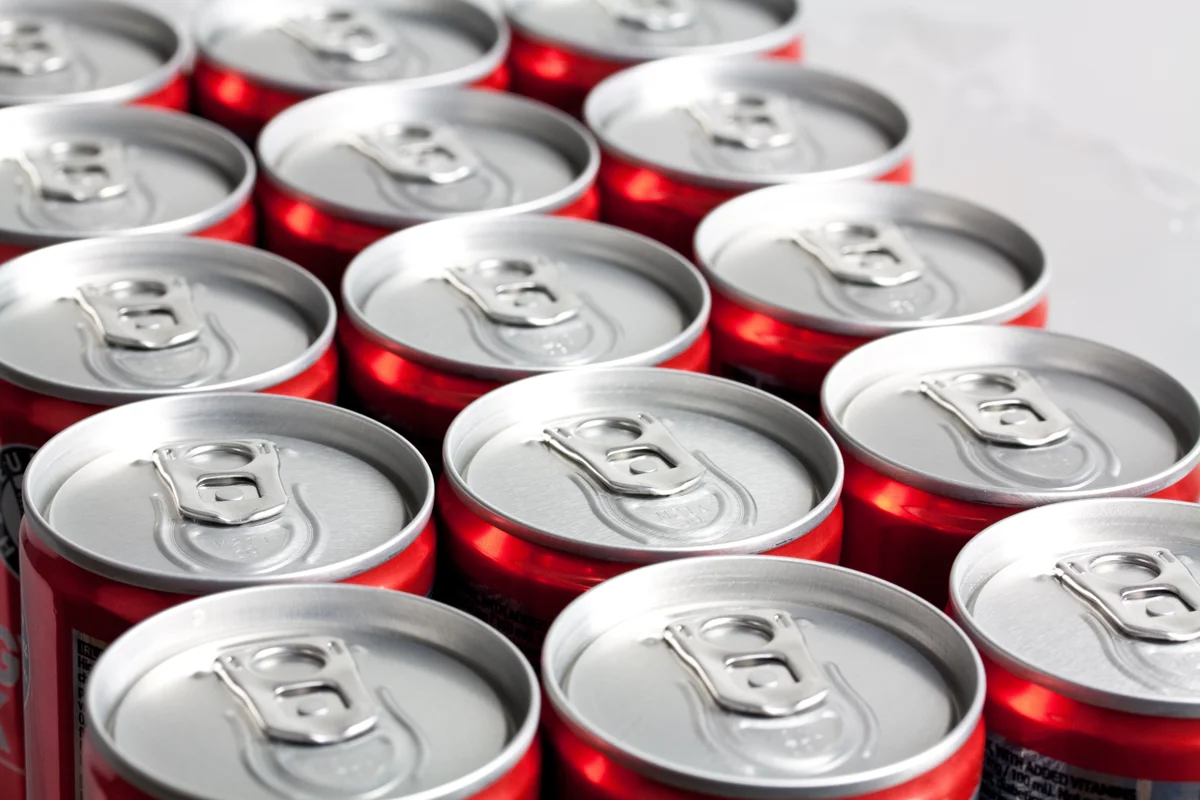
Before going further into the possible impacts of the US tariff on the food retail sector, focusing on the brewery industry, here is a brief overview of the US aluminium beverage can market. The aluminium beverage cans market in the United States generates more than $12 billion in revenue. In the whole of North America, the aluminium cans market was valued at $16.4 billion and is poised to grow at a CAGR of 3.3 per cent through 2032, reaching $22 billion. The usage of cans is expected to reach 173 billion units by 2030, driven by the packaging sector for processed and ready-to-eat food products, aerated drinks, fruit juices, and energy drinks. The current domestic production of aluminium cans is roughly 115 billion units.
Possible tariff impacts on breweries
Back to tariff impact, breweries are highly concerned about the market's future if they have to pass the new tariff costs onto consumers because, anyway, the overall US beer market is bearish, with production and imports declining by 5 per cent in 2023 and craft beer volume sales dropping by 1 per cent.
According to Adam Romanow, founder of Castle Island Brewing in South Boston and Norwood, the rise in aluminium can prices due to increased tariffs would pose a significant challenge for the industry.
Matt Malloy has calculated that aluminium in each beer can costs around 12 cents, and a 25 per cent tariff on Canadian aluminium would add 3 cents per can. He also noted that the production cost of an aluminium beer case at his brewery, which typically has a profit margin of $3 to $6, could increase by 72 cents. In this scenario, he thinks many small businesses may close down their production units.
Chris Lohring, founder of Notch Brewing in Brighton and Salem, feels that raising the end product prices will no longer be a choice for cost recovery when the tariff will add $50,000 to $75,000 worth of annual expenses to his company. Echoing a similar point of view, Ken Henricks, owner and president of Alter Brewing Co. in suburban Chicago, said "We just don't have any more room to give without raising pricing. And if we raise the price, I know that with people's buying power being less today, our volumes will decrease."
Robert Budway, president of the Can Manufacturers Institute, said the tariffs will "create an inflationary impact on the consumer, who relies heavily on canned foods to meet their everyday needs of feeding their family nutritious, affordable meals." Madrecki, with the Consumer Brands Association, said the "impact of tariffs on steel and aluminium will be felt by [consumer packaged goods] manufacturers and consumers at the grocery store."
Meanwhile, Lohring pointed out that the 2018 tariff failed to achieve its objective of boosting domestic aluminium production in the United States, noting the country still relies heavily on imported aluminium products such as foil, plates, and strips. In 2024, the US imported around 1.21 million tonnes of these products compared to 1.03 million tonnes in 2023. For a shift to indigenously made raw materials, more focus is required on recycling. Till 2023, the recycling rate of aluminium cans was far below the average, standing at 43 per cent, according to the Aluminum Association data.
Although many suggest returning to glass bottles for beer packaging, Lohring argues that a significant number of brewers have already transitioned to aluminium cans, counting on environmental benefits.












_md.webp)