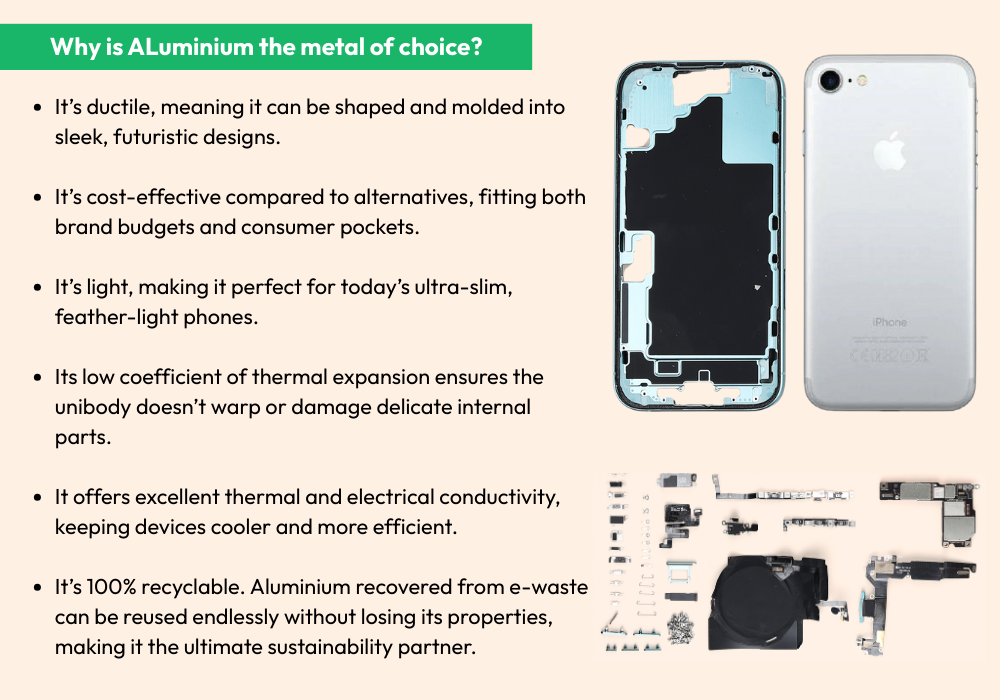
As the years are passing, ALuminium is not only evolving as a metal but also becoming a hero that is making a comeback with a bang. From the surface of the moon to the inside of a smartphone, the metal with the atomic number 13 is redefining strength, sustainability and innovation in our world. Talking about comeback, one such example is the iPhone, about which we will discuss in detail a little later in the article. Now comes the question – WHY ALuminium and not any other metal?
In today’s digital world, a smartphone is so much more than just a gadget; it’s an extension of our lives. The right phone isn’t just about flashy looks or clever folding tricks; it’s about finding that sweet spot where power, design, and comfort all come together. It should dazzle when you want it to, perform without hesitation, and still feel light and effortless in your hand every single day. And that’s precisely where aluminium steals the show, strong, sleek, and feather-light, it’s the metal redefining what the modern smartphone feels like. In an age where every brand is racing to make its products greener, aluminium stands tall, not just as a design choice, but as a statement of responsibility. And as per AL Circle’s Global Aluminium Outlook 2025 report, the world had 4.88 billion smartphone users in 2024.
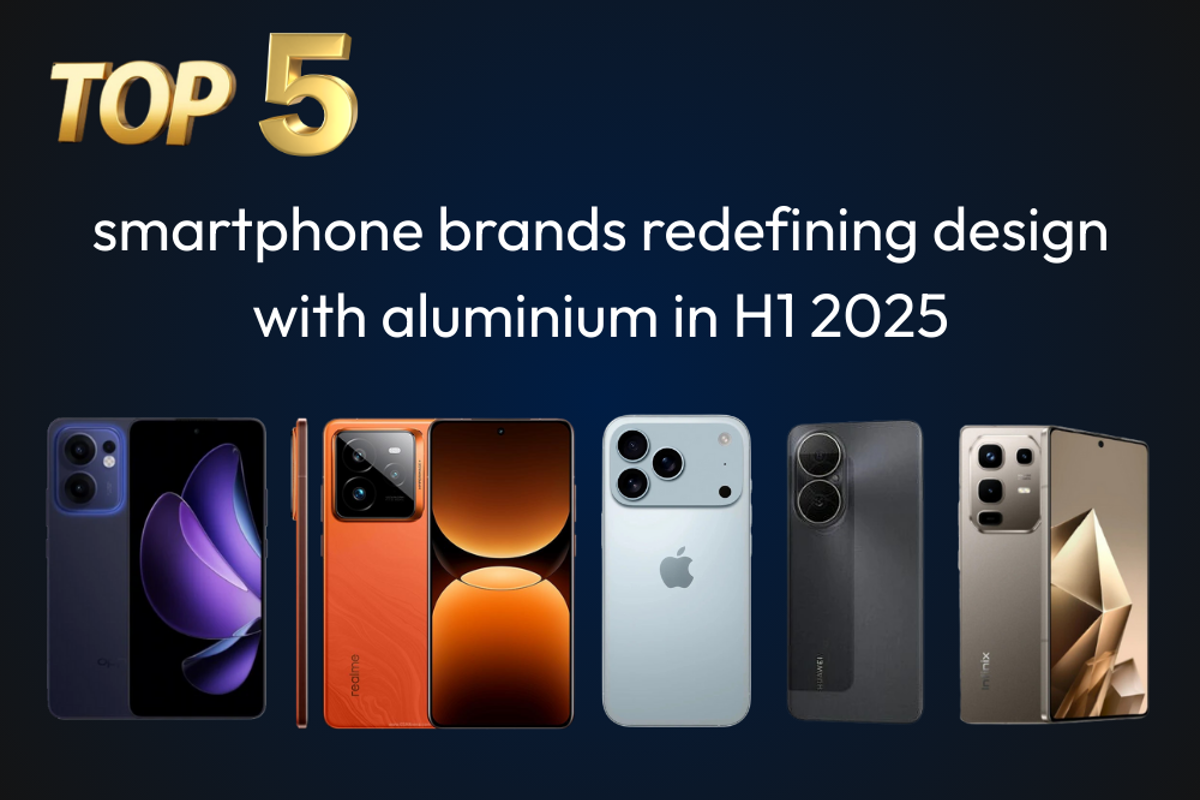
And in H1 2025, smartphone makers are embracing it more than ever. Let’s take a closer look at them –
The realme GT 7 Pro is built to impress right from the first touch. Crafted from aviation-grade aluminium, it feels both premium and tough, striking the perfect balance between strength and comfort at just 222 grams. Under the hood, it packs Qualcomm’s powerful Snapdragon 8 Elite chipset, giving it the speed and performance needed to go head-to-head with the best in the business. On the outside, the design is sleek and minimal, with a matte-finish back that not only looks stylish but also keeps pesky fingerprints away, so it stays looking sharp no matter how often you use it. The camera bump is impressively slim compared to rivals like the vivo X200 Pro and OPPO Find X8 Pro, though those models house more advanced imaging systems.
Nothing Phone (3a) and (3a) Pro
A few years ago, the word “Nothing” carried little weight in everyday conversation. In 2025, “Nothing” means a whole lot in the tech world. What started in 2020 as Carl Pei’s bold new venture after co-founding OnePlus has quickly grown into one of the most talked-about brands. This year, the London-based company has rolled out its eagerly awaited mid-range duo, the Phone (3a) and Phone (3a) Pro. Unlike their plastic-bodied predecessors, these new models step things up with a sleek aluminium-and-glass design that feels superior in the hand while adding extra durability for everyday use.
Both devices house a 5,000mAh battery, the same capacity as their predecessors, but with impressive efficiency claims. According to Nothing, users can expect up to 26 hours of YouTube streaming or 11 hours of PUBG gaming, while the battery maintains over 90 per cent of its capacity even after 1,200 charge cycles. The Phone (3a) series doesn’t hold back on cameras. At the heart of it is a sharp 50MP primary lens with optical image stabilisation, built to capture crisp shots even on the move. It’s backed by an 8MP ultra-wide lens for those sweeping landscapes and group shots. Rounding out the setup is another 50MP telephoto camera that brings you closer with 2x optical zoom, 4x in-sensor zoom, and an impressive 30x Ultra Zoom, perfect for snapping detail from far away without losing clarity.
Founded in 2013, Infinix has built its reputation as a forward-thinking technology brand tailored to the aspirations of young consumers. With the launch of the highly anticipated NOTE 50 Series, the company makes a bold leap into the Generation Beta era. The smartphone stands out with its ArmorAlloy™ construction, a unique blend of Damascus steel and aerospace-grade aluminium. The NOTE 50 doesn’t just look good, it feels good too. Its polished metal frame has a premium shine, and the smoothly rounded edges make it easy to hold for hours without strain. What really sets it apart, though, is the price tag. It’s the first full-metal frame smartphone under $500, raising the bar for durability, lightweight design, signal strength, and style all at once. Behind the scenes, Infinix has packed in some serious engineering. The phone is built using HyperCasting, a one-piece die-casting method borrowed from high-performance car design, giving it outstanding strength and impact resistance. And for everyday protection, there’s ShockAbsorb™, a TÜV SÜD-certified system that cushions the phone against drops and daily knocks, so it stays looking and working like new.
Huawei has finally taken the wraps off its much-awaited nova Y73 in the Philippines, and it’s built for the real world we live in. This budget-friendly phone doesn’t just look good, it’s designed to keep up with daily life without breaking a sweat. Wrapped in aerospace-grade aluminium alloy, the nova Y73 strikes the right balance between style and strength. It can survive drops from nearly two meters, handle up to 65 kilos of pressure, and still keep going, making it a tough partner for busy days. Up front, you get a roomy 6.67-inch Eye Comfort Display that’s easy on the eyes, perfect for endless scrolling, streaming, or gaming sessions. And with its IP64 rating, dust and splashes are no match. In short, the nova Y73 isn’t just another smartphone, it’s a reliable everyday companion that blends durability, comfort, and sleek design at a price that makes sense.
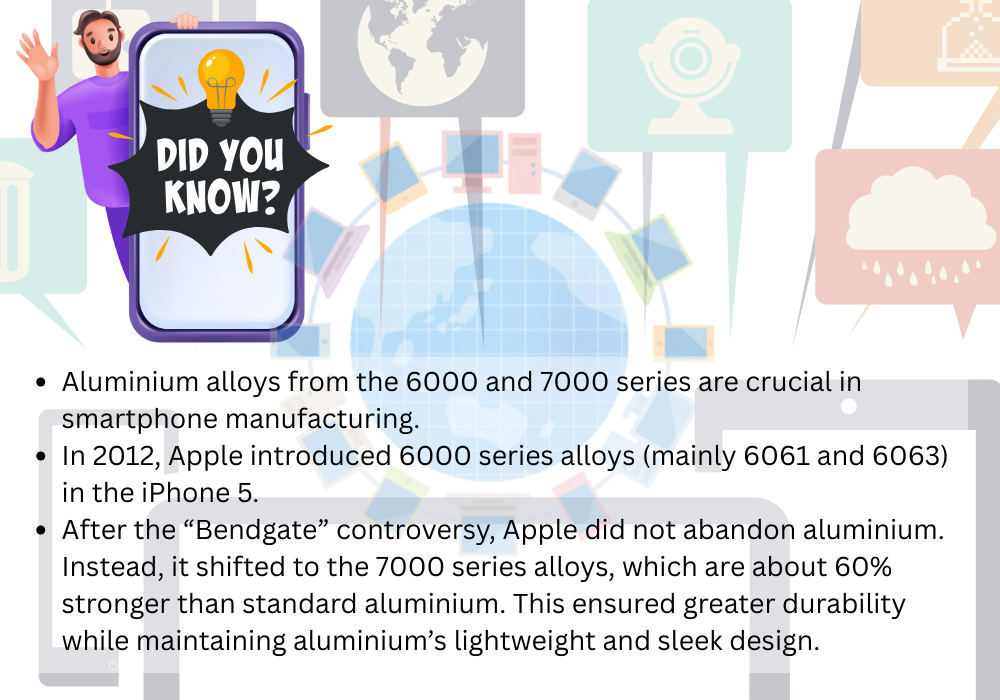
Apple is swapping glass glamour for aluminium strength in the upcoming iPhone 17 Pro, and the industry is paying close attention. A recent leak of the device’s production chassis reveals a major design departure. Unlike the iPhone 16 Pro’s glass-and-titanium construction, the new chassis is carved from a single block of aluminium with an integrated camera bump. Shared by leaker Majin Bu, the image shows a rear cutout around the Apple logo designed for a glass insert, enabling wireless charging while the aluminium body boosts durability. The redesigned camera bump spans the entire width of the device, moving away from the separate glass module seen in the previous generation. In a strategic shift, Apple is also transitioning the iPhone 17 Pro Max from titanium to aluminium, a move that reduces its carbon footprint by 67 per cent. This change reinforces Apple’s pledge to achieve carbon neutrality by 2030. The lighter aluminium frame trims 10 to 15 grams off the device’s weight, creating room for larger batteries and more advanced camera hardware.
Not just a metal but the heart of tomorrow’s smartphones
From Realme’s clean designs to Apple’s significant sustainability shift, aluminium has gone from being just another material to the quiet hero behind our smartphones. It’s tougher than glass, lighter than steel, and kinder to the planet than titanium, a triple win that makes it hard to ignore. While brands compete with flashier cameras, faster processors, and longer-lasting batteries, aluminium is the steady force making sure our phones don’t just look good but also feel right in our hands and last the distance. The truth is, aluminium isn’t a background player anymore, its front and centre, shaping the way our devices are built and how we use them. And if these new launches are anything to go by, the future of smartphones will quite literally be wrapped in aluminium.













_md.webp)