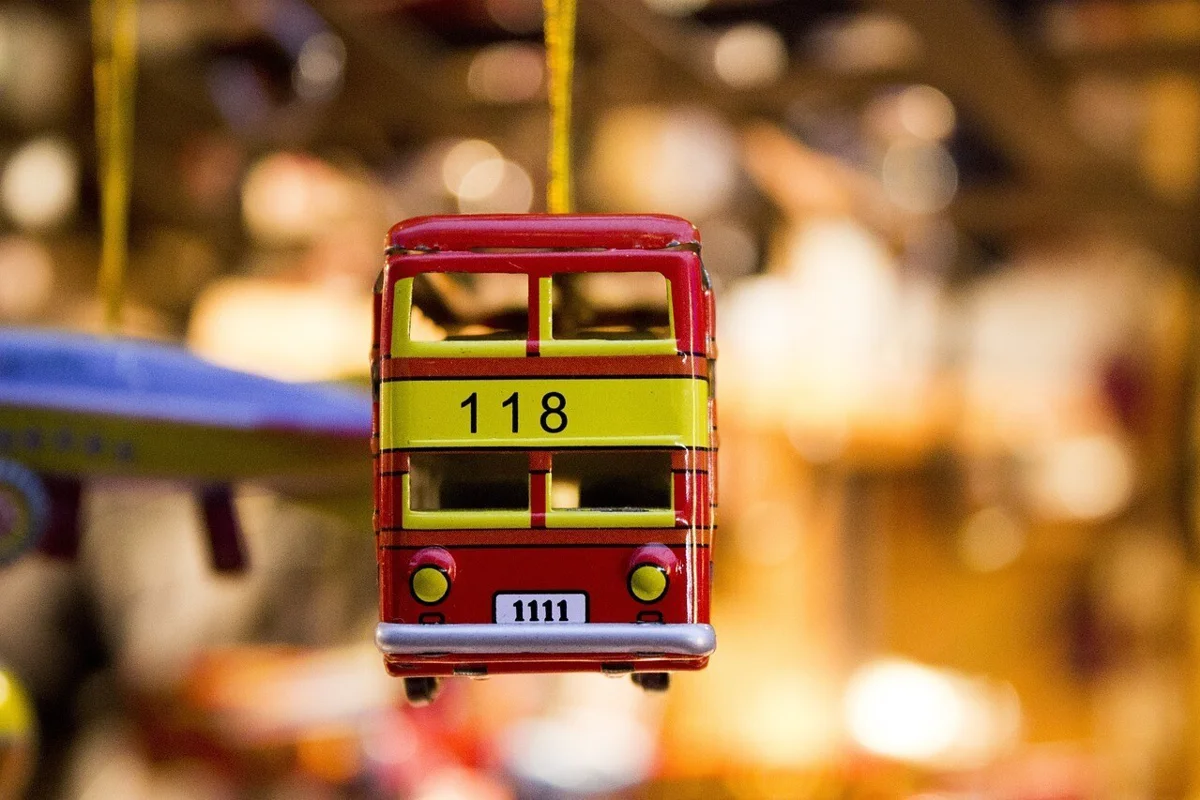
Toys are integral to kids' babyhood laughter, fun and, at times, their cognitive development. Kids' toys have a wide range and variety from miniature cars and bikes to kitchen utensils, from robots to electronic gadgets, and from medical instruments to building blocks. They ignite imagination, promote creativity, and provide hours of entertainment. However, when buying a toy for your champ ahead of the upcoming International Children's Day, remember that not all playthings are built equal, and in the long run, some might do more harm than good.
In particular, plastic toys, which have conquered the market due to their low cost and accessibility, have been prone to their potential adverse impact on children's health, our planet, and their overall development.
Conversely, aluminium is a material which has many feathers (advantages) to its crown as a sustainable kids' tool, ensuring a safe today and tomorrow for the little champs.
Aluminium toys mostly have timeless and classic aesthetics, making them visually appealing to children and parents.
There are aluminium die-cast toys, which are detailed toys or collectable models created using the die-casting process. The most common die-casting toys are cars, bikes, motorcycles, trains and aircraft.
We often go for plastic toys as they are lightweight and easy to carry. But aluminium itself is also a lightweight metal. Thus, carrying the metal-made toys wouldn't bother the parents much.
Often, children, while playing, swallow pieces of playthings. If the piece gets logged into the system, the doctor's immediate attention is of utmost precedence. We do not promote any home remedy for such circumstances. However, small pieces travel through the digestive system at times and are excreted with time. The good news is that the World Health Organization (WHO) estimates it is safe to consume up to 50 milligrams of aluminium without concern. It will leave your rear end as it came in at the front. However, in the case of plastic ingestion, studies show that the intestines can absorb microplastics and travel to other body parts via blood circulation. Microplastics can go through cell membranes, potentially causing damage at a cellular level.
Regarding longevity — it's another close round with good punches on both sides. Aluminium is durable and reusable for years, and it withstands oxidation, corrosion, and wear down. Plastic is also durable, but it debases more easily over time. Plastic is not heat-resistant, whereas aluminium melts at about 660°C (1220°F).
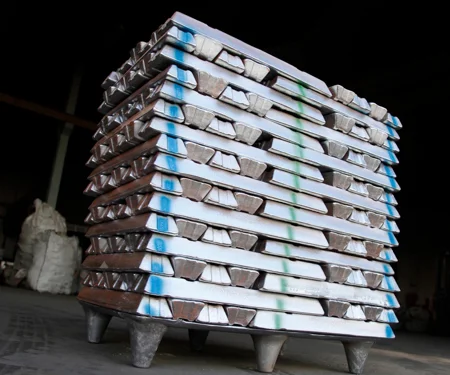
Aluminium is potent enough to be recycled repeatedly without losing any physical properties. It is one of the most recycled substances on earth. Close to 75 per cent among the 1.5 billion tonnes of aluminium produced since the inception of the metal is still in use today.
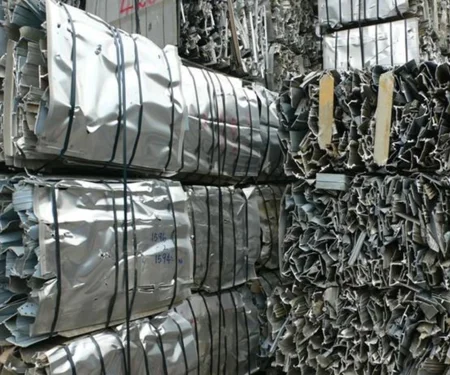
And each year, over 30 million tonnes of metal scrap is recycled globally, crowning it as one of the most recycled substances on the planet.
Why a big 'NO' to plastic?
Plastic toys seem vibrant and adorable, but under the shiny coat of paint, extreme danger lies, i.e. harmful chemicals. Most plastic toys are made of chemicals like phthalates, bisphenol A (BPA), and lead, which have been related to many health problems, including delayed cognitive development, hormonal imbalances, and even cancer.
For example, phthalates make plastic toys softer and more flexible but have been identified to disrupt hormones and even impair the reproductive system. Similarly, BPA, commonly found in polycarbonate plastics, is found to be responsible for behavioural and neurological issues. Given that children are more exposed to the adverse impacts of these chemicals, elders should think over before bringing toys into their homes and opt for safer alternatives that won't jeopardise their children's health or future.
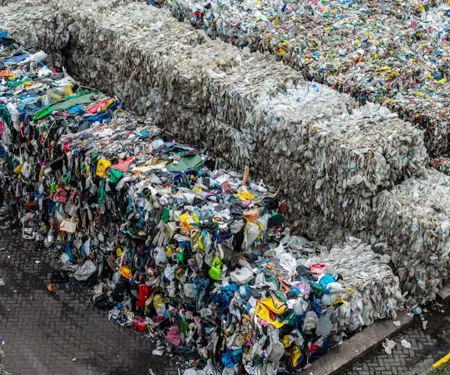
Not all plastics are recyclable simply because they aren't easily recyclable.
No downsides to the metal at all?
However, older aluminium toys have some drawbacks over the plastic variants. They quickly become unattractive as the paint is lost through wear and tear. Small children ingesting the paint of such toys is identified as a health risk due to the use of lead-based paints.
If you can, look for toys made with recycled aluminium, which helps to retain valuable materials from ending up as trash in landfills, preserve natural resources, lessen toxicity, conserve energy and water, and create more jobs globally.