The “COVID-19” outbreak: Indian Aluminium producers urge support from the Government owing to demand depression

India's aluminium producers have urged the government to reduce tariffs and support them, forecasting that the domestic consumption will fall as Chinese imports swirls amid COVID-19 outbreak.
India’s aluminium consumption is surmounted to reduce by 1.5-2 million tonnes in FY21 as the epidemic has substantially diminished the demand from consuming industries.
<iframe width="500" height="300" src="https://www.youtube.com/embed/6YnVwRDEdgs" frameborder="0" allow="accelerometer; autoplay; encrypted-media; gyroscope; picture-in-picture" allowfullscreen></iframe>
As per the Indian Aluminium Industry: “Earlier, the Indian aluminium industry was mulling for capacity expansion to meet the growing aluminium demand. But with Covid-19 outbreak, the market sentiment is quite low and there is a need for the revival of growth. Depending on the depth and duration of the crisis, aluminium prices may still go down but at the present level of spread of contagion, there is market sentiment for the future uptick in the prices of aluminium.”
The sinking of global aluminium prices has dented domestic aluminium producers. Before the outbreak of Covid-19, the global economy was already observed a slow movement. Still, aluminium prices on the London Metal Exchange (LME) were ruling firm at $1,750 per tonne. However, in the aftermath of the spread of the virus pandemic, LME aluminium prices have crashed to $1,450 a tonne. At this price point, about 60% - 65% of the global aluminium smelters are experiencing cash losses. Moreover, the cost of aluminium products for the Indian primary producers is in the range of $1,700-1,800 per tonne.
A letter was written by the Aluminium Association of India (AAI) to Pralhad Joshi, Minister of Mines, Govt. of India, clearly states: “It is quite paradoxical that despite India being a bright spot for the consumption of aluminium, investors or industry proponents will not be enthused to invest in Indian aluminium sector as the realisation will be low and expected returns below the threshold level of investment. There is apprehension on part of the Indian aluminium industry in respect of surging Chinese imports and the native industry getting killed.”

AAI had bespoken a study by a team of industry professionals chaired by TK Chand, former chairman and managing director, National Aluminium Company (Nalco) and industry expert. The report recommended a revival plan for the aluminium industry has been submitted to the Ministry of Mines.
T K Chand said: “Aluminium industry creates 200,000 livelihoods for every one million tonnes of aluminium production creation. The present employment of 800,000 persons in the Indian aluminium industry and the prospect of additional 400,000 livelihood creation will be in jeopardy unless industry revives.”

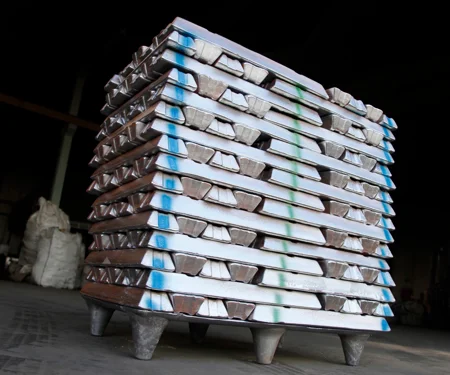
Mr Chand has proposed a cashless model for sustainability & growth of aluminium MSMEs (micro, small & medium enterprises). In this model, aluminium majors will provide ingots to MSMEs through a contract of at least 10 years with renewal provision and by back the products for marketing under its banner. This will solve the problem of raw material procurement and marketing of products on the part of MSMEs. The model is expected to bring in sustainability and growth of MSMEs.
LME aluminium price opened the week lower at US$ 1472.5/t; SHFE contract hit a one-week high
Next articleLesser durability of COVID19 virus on aluminium surface makes it a more preferred metal than others
Grow with
AL Circle