The 730,000t question: Can NALCO and GAC rescue a faltering alumina market?

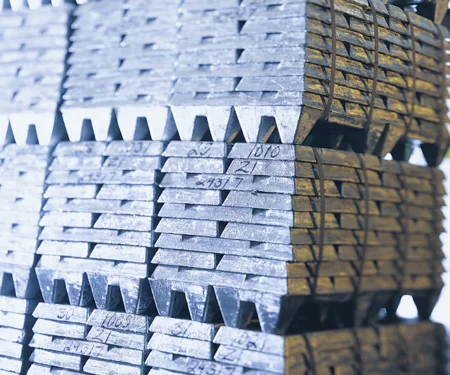
The image used in this article is generated with an AI tool and does not depict any real-time moment
As the 2026 primary aluminium production navigates through a rocky course, the global alumina production map is being redrawn by the respective geopolitical factors. The data accumulated by the International Aluminium Institute (IAI) depicted drastic drops in the cumulative alumina production volume across the world in April 2026, exhibiting a turbulent market environment.
Global alumina production in April 2026 stood at 11.92 million tonnes, which recorded a month-on-month decline of 5.74 per cent from 12.65 million tonnes produced in March 2025. Looking at the figure closely, a year-on-year drop of 2.59 per cent from the production volume of 12.24 million tonnes can be noticed as well.
Explore- Most comprehensive and forward-looking industry-focused report — Global Bauxite & Alumina Market Forecast to 2036: Supply–Demand, Trade Flows & Price Outlook
Unlock full access – sign up for FREE.
Key benefits
WEEKLY: Chinese spot alumina prices edge up on Guinea bauxite supply concerns
Next articleIreland reviews Aughinish’s 80% alumina export data with further scrutiny
Grow with
AL Circle