Temporary dip in the aluminium prices reverses as supply tightness outweighs Hormuz reopening optimism
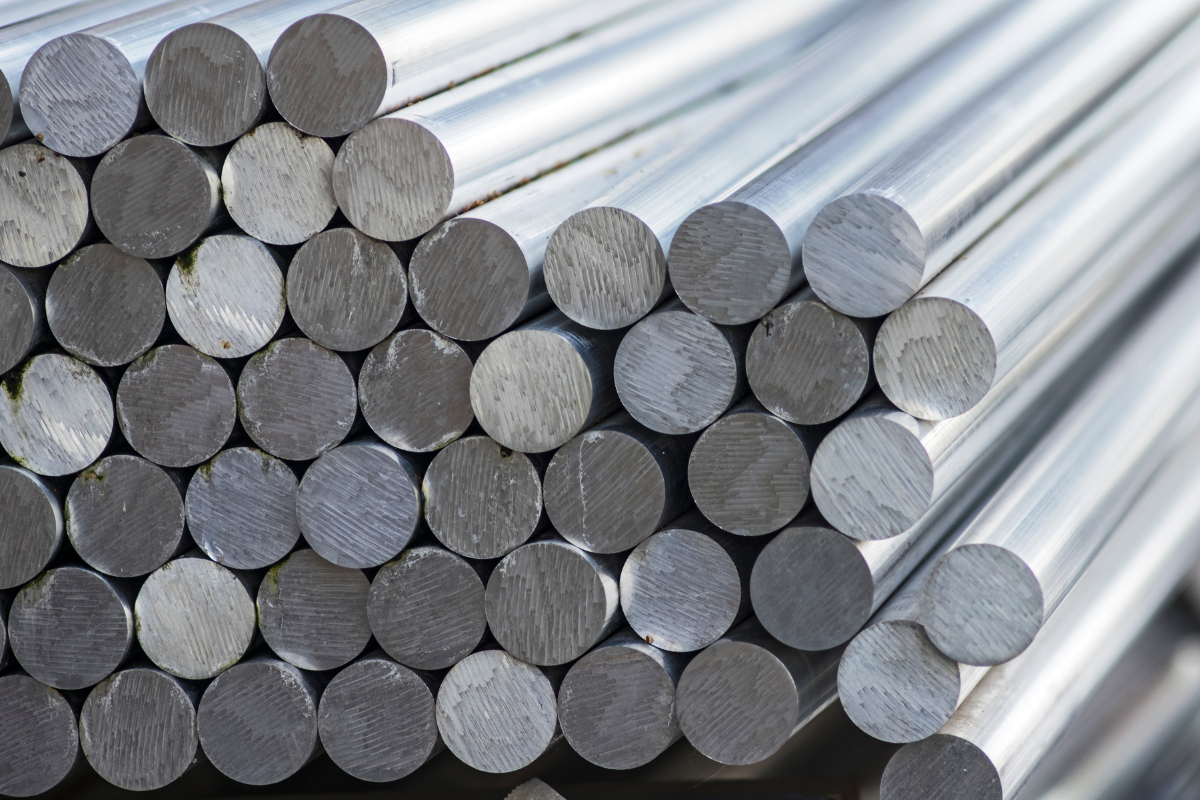
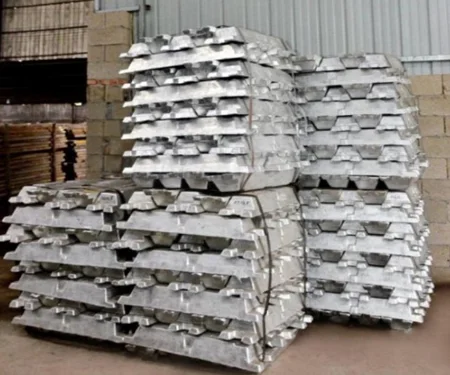
The image used in this article for referential purposes only.
A temporary dip in the aluminium prices has been noticed when the traders got the ray of hope of reopening the Strait of Hormuz, which continued to show an upward trend due to the ongoing conflict in the Gulf. However, the production data and evolving dynamics of the Chinese markets are deemed to boost both the aluminium and copper markets.
Nudged because of the possible reopening of the Strait of Hormuz, the key shipping area, aluminium slipped and bounced back as concerns about supply continue to loom large.
Last Thursday, the aluminium prices hit a new four-year high, reaching nearly USD 3,700 per tonne. Post that, the prices saw a slight dip, recording USD 3,450 per tonne, before it bounced back again. In the London Metal Exchange (LME) 3-month aluminium price, it expanded to USD 3,532 per tonne, which represented a decrease of 0.6 per cent from the previous close.
Don’t miss out- Buyers are looking for your products on our B2B platform
In this scenario, the market is being supported by the production data, which has been recently released by the International Aluminium Institute. This indicates that the output in March within the Guld regions sharply fell by 6 per cent month-on-month on a daily basis and nearly 5.5 per cent compared to the same time last year.
The commodity analyst at Commerzbank, Barbara Lambrecht, said, "Production figures from the International Aluminium Institute are providing support, as March production in the Gulf region was a solid 6 per cent below the previous month on a daily basis and nearly 5.5 per cent below the previous year’s level."
Must read: Key industry individuals share their thoughts on the trending topics
Because of the small and minimal increase in China's production, the daily global production is deemed to be just at 0.3 per cent, which is lower than the levels recorded in and 1 per cent higher year-on-year.
On the other hand, the alumina imports by China, which is the key raw material required for aluminium production, increased by 87 per cent in March compared to the previous month, reaching 340 thousand tonnes, which is almost 30 thousand tonnes higher than the previous year. One of the reasons behind this could be the country receiving the shipments, which were originally meant to go to the Gulf region. Alongside this, the falling price of the feedstock could also be another reason for creating favourable margins for local smelters.
Check out the forecast of the global bauxite and alumina market till 2036, book the report “Global Bauxite & Alumina Market Forecast to 2036: Supply–Demand, Trade Flows & Price Outlook”
A new restriction has been rolled out by the Chinese government on the exports of sulphuric acid, which is deemed to play a supporting role in related upstream (raw material preparation) and downstream (surface treatment) processes, as well as waste management within the aluminium industry. This decision is likely to impact by-product prices and change the incentives for smelters.
In the last year, China exported a total of 4.5 million tonnes of sulphuric acid, and the shortage may tighten the supply of aluminium and copper concentrate even more, especially since the Gulf region is a major producer of sulphur.
As per analysts, the ongoing tensions around the Strait of Hormuz may keep the bullish sentiment high for aluminium, with supply disruptions and China's policy changes influencing price trends in the near future.
Trading aluminium across borders? Find out the exact cost you need to bear for the embedded carbon in the product by using this CBAM calculator.
_0_0.png)
LME aluminium on April 24: Cash nears $3,700/t, stocks continue to slide downhill
Next articleChina's Mar petroleum coke imports up 24.47%, exports up 240.25% YOY
Grow with
AL Circle