Sumitomo plans $1.3bn renewable energy expansion in India as demand surges
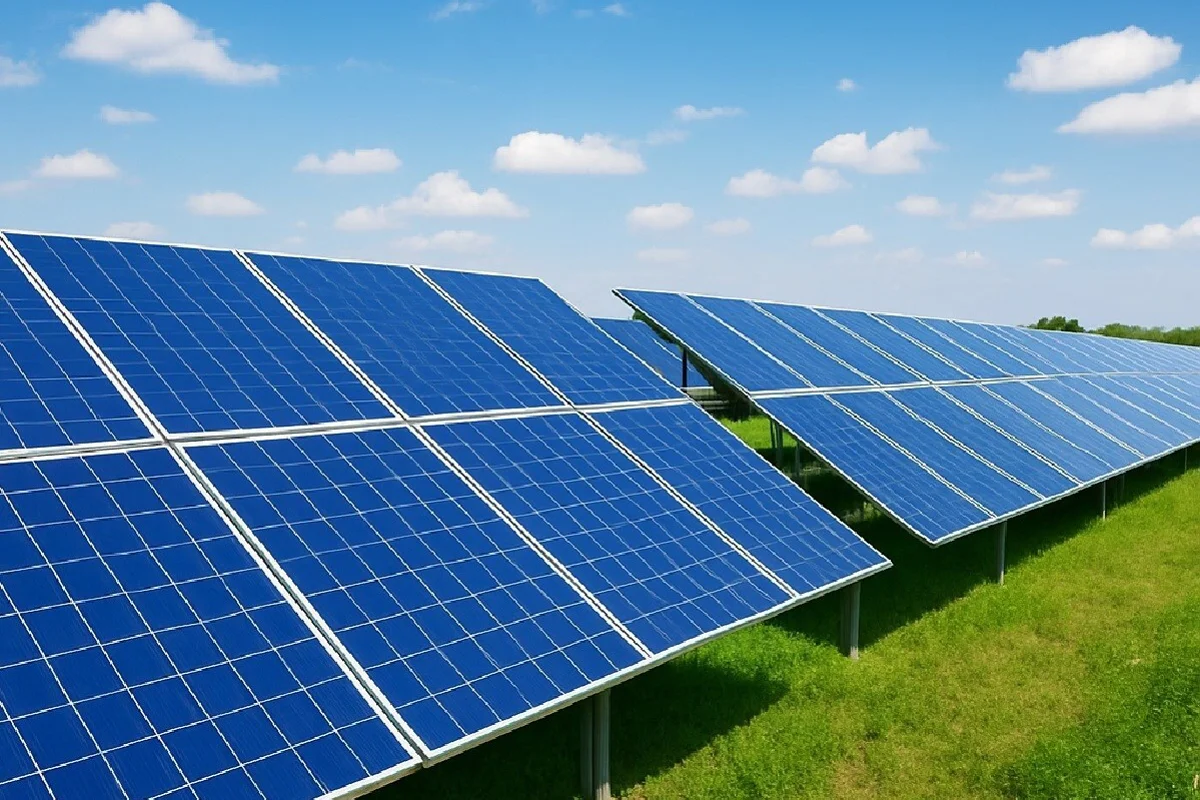
Japan’s Sumitomo Corporation is preparing a major scale-up of its clean-energy footprint in India, with plans to invest 200 billion yen (USD 1.3 billion) in renewable power projects developed through its joint venture with Indian startup Ampin Energy Transition. The commitment, reported by Nikkei, represents a doubling of Sumitomo’s initial outlay as the company positions itself for the rapid expansion of India’s corporate renewable power market.
Through the partnership, Sumitomo and Ampin intend to build more than 2 gigawatts of combined solar and wind capacity across more than 10 Indian states by fiscal 2027. Projects are already operational in Haryana and Karnataka, with power destined mainly for Japanese companies operating in India. According to the report, nearly 10 such firms have already signed purchase agreements.
Takahiro Jitosho, who leads Sumitomo Corp. India, said the company plans to broaden its activities as India’s demand for corporate renewable supply accelerates toward a projected 100 GW by 2030.
India’s renewable energy base
The expansion comes as India’s renewable energy sector continues its rapid build-out. As of October 31, 2025, the country’s installed renewable capacity stood at around 250.64 GW, excluding large hydro. Including hydro and nuclear projects, the non-fossil fuel capacity reached about 259 GW, accounting for 51.37 per cent of India’s total installed base of 505 GW.
Solar remains the dominant technology with 129.92 GW, followed by 53.60 GW of wind and 11.61 GW of biomass. The increase from 220 GW in March 2025 highlights the pace of solar additions throughout the year.
Outlook
Forecasts from different agencies suggest 2026 will be another heavy year for renewable additions. ICRA expects the country to add over 35 GW of new capacity in FY2026, on top of the 20.1 GW already installed in the first five months. JMK Research’s outlook is even higher, with 41.5 GW of solar projected, most of it—around 32 GW — coming from utility-scale projects. Government updates from the Press Information Bureau also show solar parks moving ahead at pace, with 39 GW approved across 53 sites, almost at the 40-GW target for March 2026.
A number of projects are due to come through next year. NTPC Renewable Energy is preparing its 500-MW solar-plus-storage project awarded through a SECI tender, while two major hydropower schemes—Subansiri Lower (2 GW) and Pakal Dul (1 GW)—are nearing completion. Wind will continue to build as well, with India aiming for 63 GW by FY2027, which means roughly 7 GW of additions each year.
All of this feeds into India’s broader transition toward cleaner power. The country is working toward 500 GW of non-fossil capacity by 2030, and MNRE data shows it has already crossed the halfway point. The National Electricity Plan suggests renewables could account for about 57 per cent of installed capacity by FY2027, keeping long-term goals within reach.

Alupro sustainability manager to help DEFRA prepare for DRS
Next articleAnil Ambani group plans integrated solar unit, expands NU Energies in major clean-energy push
Grow with
AL Circle