packagingeurope.com
Stable demand for aluminium packaging
Edited by : AL CIRCLE
5 min read
Manufacturers of packaging made of aluminium appear to be satisfied with the financial year 2011. At 401,300 tonnes (t) of aluminium foils, tubes, and aerosol and beverage cans, aluminium packaging manufacturers were producing almost at the high level of the previous year (2010: 405,000 t). “Even though there was a 1 per cent decline in production, the reasons behind it had more to do with technical factors,” explained Christian Wellner, Managing Director of the Gesamtverband der Aluminiumindustrie e.V. (GDA), in Düsseldorf. Thinner aluminium foils and a trend towards lighter packaging led to smaller deliveries.
Despite the slight decline in demand at the beginning of 2012, caused by weak economic activity in the euro zone, utilization of capacity among exporting companies remains good. “Because of unpredictable fiscal and currency factors in Europe, and drastic cuts in some European countries, many budgets for 2012 were planned with caution,” reported Wellner. But the slight decline in orders at the beginning of 2012 also had its benefits. For example, the recent long waiting times for deliveries have returned to normal.
Generally, production developed stably in the individual packaging segments last year. Demand for aluminium tubes was at the high levels of the previous year. There was an increase in beverage can production. The inland markets for aluminium foils and thin strips declined slightly, because of reductions in material. Manufacturers of aluminium aerosol cans were again able to grow considerably, and achieved a new record in production.
Reflected in the stable production figures for 2011 is the strong demand in the main sales markets of food, cosmetics and pharmaceuticals. The boom in demand is also evident on the international level.” said Dr. Monika Kopra-Schäfer, Chairwoman of the GDA trade association for tubes, cans and extrusion press parts. “In addition to the basic protection of the product, it’s the convenience attributes which explain the market success of aluminium packaging.” One reason for the strong demand for aerosol cans is the ongoing trend of forming and embossing the cans. Business is increasing for aluminium tubes in the area of non-prescription medication. “Expectations on the package design are increasing; creatively designed tubes are selling better also in the pharmaceutical sector.”
Manufacturers of aluminium packaging tend to be confident for 2012. “As before, we continue to expect stable development, because forecasts for the major markets of aluminium packaging are at the levels of the previous year. However, the periods being planned at the moment are shorter. So our outlook only extends to roughly mid-year,” said Manfred Mertens, Chairman of the GDA trade association for aluminium foils. Foreign markets account for roughly 70 per cent of the sales of aluminium packaging manufacturers. But Manfred Mertens is not so concerned here about weak economic activity in the euro zone. “In Europe and around the world German manufacturers are known for their high quality and competitiveness. All signals for 2012 coming from the various customer branches are positive.”
Added to that, he also points out the advantages of aluminium packaging. According to Mertens, aluminium is one of the best-performing packaging materials. It has universal applications and excellent barrier characteristics – either as mono-material or used together with other packaging materials, in cases where food requirements and optimum protection of the content are the factors to be satisfied.
The branch is also happy with developments in the area of beverage cans. Slowly but surely, the beverage can is finding its way back onto supermarket shelves. The comeback of the beverage can has been forced by the many discount supermarkets which again include it in their listings. Producers are confident that the positive trend will continue throughout 2012, because the consumer is again increasingly choosing this type of container, especially in the segments of beer, and energy and refreshment beverages. The can is also profiting from an increase in glass prohibitions at large events – particularly in 2012 at major sports events such as the European Football Championships and the Olympic Games.
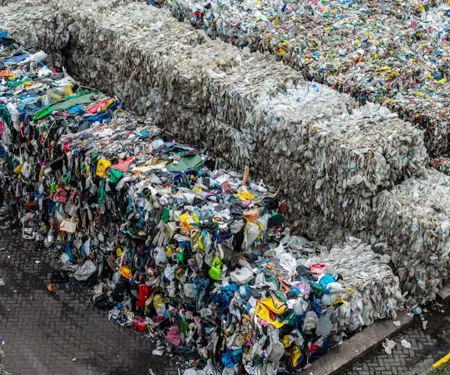
There’s also good news in the area of package recycling. Already at high levels, recycling of aluminium packaging in Germany increased again, achieving a new record high in 2010. Of the 91,800 tonnes of aluminium used in packaging this year, 79,300 tonnes were recycled. This corresponds to a rate of recycling of 86.4 per cent, according to findings in a current study by the Gesellschaft für Verpackungsmarktforschung mbH (GVM), Mainz. For aluminium beverage cans in the deposit system, GVM even estimates returns of up to 96 per cent. This is the highest rate in Europe. “The established infrastructure in Germany for collecting and recycling used packaging is very good. Completing the material cycles is the right way to save resources and energy,” said Manfred Mertens.
However, the rising costs of energy, coatings and printing inks, as well as wages, are issues which manufacturers of aluminium packaging are concerned about. “In an increasingly competitive environment it will become more and more difficult to pass on rising costs in the supply chain,” clarified Dr. Monika Kopra-Schäfer.
Previous article
Parekh Aluminex Ltd acquires American Foils Inc.
Next articleAluminum windows and door manufacturer gaining momentum
Grow with
AL Circle