South32 shares fall 8% the lowest in two months; CEO Graham Kerr blames war and Covid
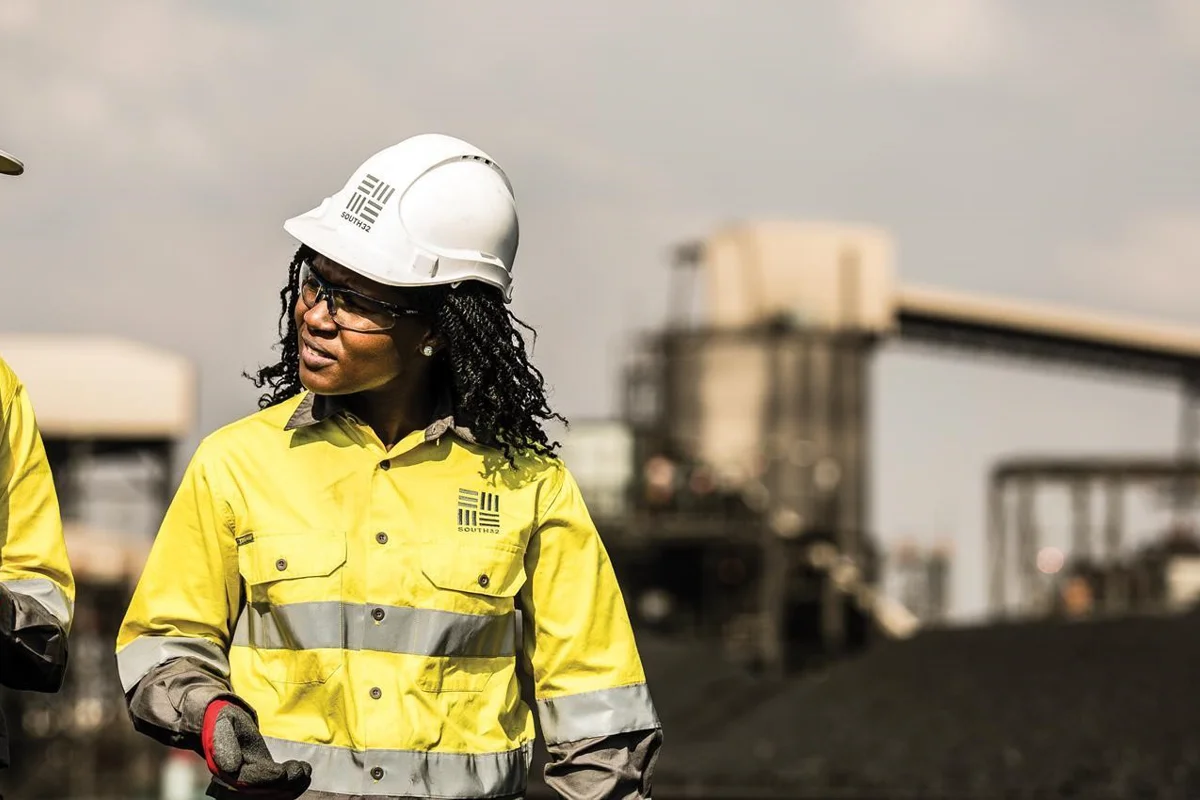
Graham Kerr, the CEO of South32 does not anticipate a global recession but said that the economic outlook is dormant because of the war in Europe, the Covid epidemic in China and rising commodity prices that may worsen in the coming months.
On Tuesday, mining and energy stocks were mostly released for purchase fearing a lockdown in China which would hinder the demand for commodities. Moreover, the Russia-Ukraine conflict had already inflated the market putting severe pressure on the metal industry.
Primary signs of “demand destruction” were visible amid the inflationary pressures; specifically in the car manufacturing industry and the World Bank, since last week the latter lowered its global growth forecast from 4.1 per cent in January to 3.2 per cent as noted by Alcoa that time.
South32 also told its investors on Tuesday, that the cost of producing its commodities had escalated over the past three months with Australian sites like the Cannington base metals mine and the Illawarra coking coal mines enduring cost plunges to 10 per cent because the Australian dollar and state government royalties are rising higher with commodity prices.
Cost hikes were smaller, as recorded at the Western Australian alumina refining and Northern Territory manganese mining sites, where consumables like fuel, caustic soda and freight had become more expensive.
Mr Kerr said he does not hope for solace from rising input costs anytime soon when such a worldwide phenomenon full of war and pandemics is in action.
“All of those will continue to be tight and probably a little bit more upward pressure,” he said on Tuesday.
During the early phase of the pandemic in 2020, South32 was among the most careful big mining companies since it hung its share buyback program until it was definite about the outlook for commodities. Mr Kerr said he was realistic but not pessimistic when enquired about feeling cautious or calm about the latest set of occurrences in the global economy.
“There is no doubt what is going on in Europe, some of the other geopolitical tensions and the risk of more outbreaks of COVID-19 in China, which is a major consumer of global commodities, that does obviously dampen forecasts around what growth looks like,” he declared his worries to The Australian Financial Review.
“We are not pessimistic about where the world is going but we do see growth forecasts not as strong as they would have been 12 to 18 months ago. [I am] Not saying it is a recession, but not as positive as it was,” he added.
While shares in big rivals BHP and Rio Tinto fell by almost 6 per cent and more than 4 per cent on Tuesday respectively, South32 shares fell almost by 8 per cent on Tuesday to the lowest levels in approximately more than two months.
Mr Kerr feels motivated to know that most nations beyond the Chinese territory have learnt to live with the pandemic which makes him confident that a longer-term trend towards decarbonisation might uplift the demand for metals like copper, zinc and aluminium.
“The world is becoming far more conditioned to what COVID-19 looks like and how you continue to manage your way through,” he said.

“If you look at our quarterly production report really the only [pandemic related] impact for this quarter is Illawarra, we are managing the other COVID-19 impacts easily across the group with some of the controls we have in place. We are also seeing some opportunities presented by this where countries like the US are much more focused, as are some of the suppliers or car manufacturers about how they secure the metals of the future and that potentially offers us opportunities,” concluded Kerr.
South32 wishes its Alumar aluminium smelting joint venture with Alcoa in Brazil will have a brighter future now that it is powered by renewable energy, instigating South32 to describe its manufactured product as “green aluminium”.
President Akufo-Addo against inessential Atewa Forest exploitation for bauxite mining
Next articleAbu Jinapoor attracts potential investors for Ghana’s bauxite and aluminium industry
Grow with
AL Circle