Adv
LANGUAGES
English
Hindi
Spanish
French
German
Chinese_Simplified
Chinese_Traditional
Japanese
Russian
Arabic
Portuguese
Bengali
Italian
Dutch
Greek
Korean
Turkish
Vietnamese
Hebrew
Polish
Ukrainian
Indonesian
Thai
Swedish
Romanian
Hungarian
Czech
Finnish
Danish
Filipino
Malay
Swahili
Tamil
Telugu
Gujarati
Marathi
Kannada
Malayalam
Punjabi
Urdu
AL CIRCLE

Solar subsidies, aluminium shocks, and the 2026 market redone by geopolitical distress

EDITED BY : 6MINS READ

solar pv

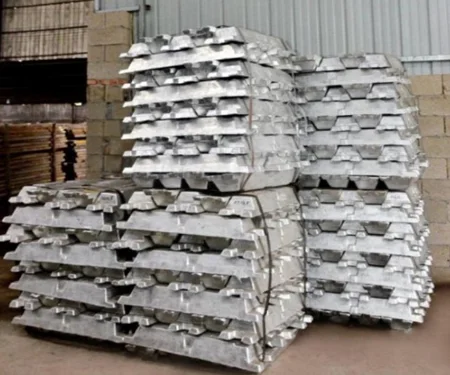
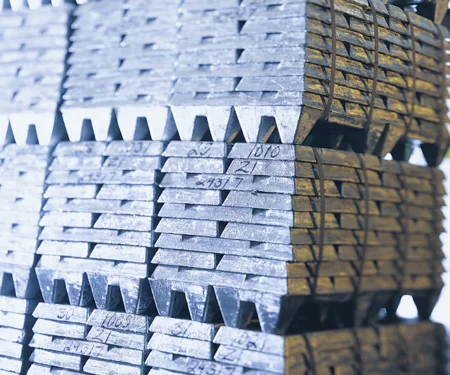
Stock image for referential purposes only

The global energy transition has reached a point where renewable policy and industrial metals are structurally interlocked. With one month into Q2 2026, solar installation subsidies and aluminium supply chains have formed a feedback loop that is actively redoing both markets. Aluminium, long described as ‘congealed electricity,’ sits at the centre of this convergence, with the solar PV sector accounting for around 87 per cent of incremental aluminium demand within renewables.

{alcircleadd}

What distinguishes the 2025-2026 phase is not growth, but correction. China’s solar PV subsidy withdrawal, the European Union’s conditional incentives, the US’ tightening domestic rules, and a sudden geopolitical-induced trade disruption in the Middle East have collectively dismantled the assumptions of the previous decade: abundant modules, stable aluminium supply, and predictable cost curves.

From expansion to control: the subsidy retuning

For nearly two decades, solar PV subsidies functioned as blunt instruments of scale. Between 2005 and 2024, support mechanisms averaged 3.2 per cent of firm revenues globally, enabling aggressive capacity build-outs, particularly in China.

That phase has now ended. Regulation is fluctuating from expansion to discipline.

China, which built 900 GW of module manufacturing capacity, enough to meet global demand through 2032, has begun forcing consolidation. The elimination of VAT export rebates on solar products in April 2026 — down from 13 per cent historically and 9 per cent in 2024 — marks a decisive break from subsidy-led export dominance.

The pricing response was immediate. Module prices rose 9.3 per cent, with TOPCon modules moving from USD 0.086/W in January to a projected USD 0.098/W by year-end.

For the global aluminium value-chain 2026 outlook, book our exclusive report “Global ALuminium Industry Outlook 2026"  

Frames account for 14 per cent of module manufacturing costs, and the removal of VAT buffers exposes that cost fully to global metal price volatility.

Last updated on : 01 MAY 2026

Adv
Adv
Adv
Adv
Adv
Adv
Adv
EDITED BY : 6MINS READ

Responses

Adv
Adv
Adv
Loading...
Adv
Adv
Adv
Loading...
Reports VIEW ALL
Loading...
Loading...
Business Leads VIEW ON AL BIZ
Loading...
Adv
Adv
Would you like to be
featured with us?
Loading...

AL Circle News App

AL Biz App

A proud
ASI member
© 2026 AL Circle. All rights reserved. AL Circle is not responsible for content from external sources.