30 JANUARY 2014AlCircle.com
Smelters and bankers predict the end for aluminium surplus
Edited by : AL CIRCLE
3 min read

This year is predicted to be the one, when the world can churn out excess aluminium than it can use, as economic recovery begins to stoke demand while some producers cut output after years of falling metal prices.
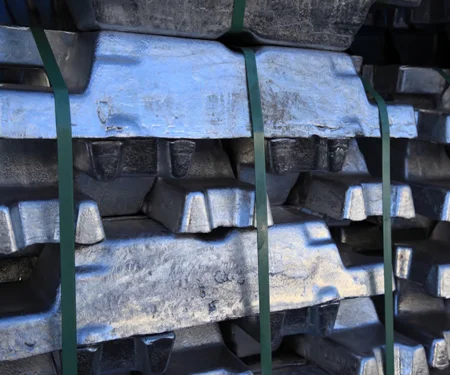
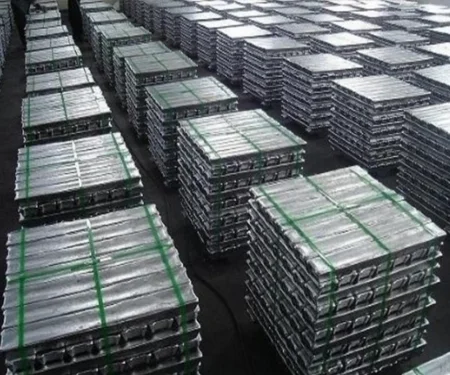
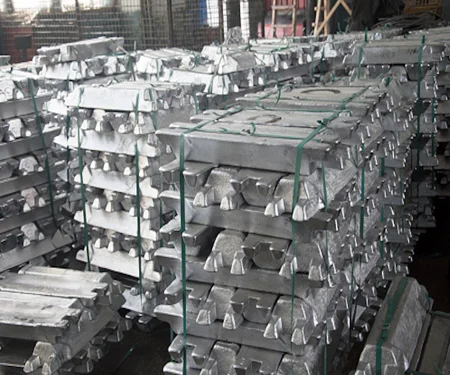
This is what is predicted by few aluminium bankers and smelters, going against the general view that excess of production over demand will continue. Whatever happens, this year prices are unlikely to improve due to huge overhang of stocks, estimated at 10 -15 million tonnes globally, although much of the excess is stocked in warehouses that are earning money via investment deals.
The price of aluminium that is mainly used for construction, packaging and transport has gone down nearly 50% since 2008 and this has forced the loss-making companies to cut down their capacity in the recent years.
"It's a market in deficit at the current time, as it should be. This is the way commodity markets work - prices move down to a level where supply is pushed offline, and that's exactly what we've seen in this market," said Colin Hamilton, head of commodities research at Australian bank Macquarie.
Rusal in Russia, the biggest aluminium producer in the world estimates producers outside China have slashed down to 1.2 million tonnes of aluminum capacity the last year and it is expected there will be reductions of 1-1.5 million tonnes this year.
"The most important trend in the industry is that starting from the fourth quarter of 2013, we see the aluminium market in deficit on strong consumption and production cuts," Oleg Mukhamedshin, Rusal deputy chief executive said.
A handful of institutions such as Barclays and Macquarie have joined Rusal as they will also be forecasting a deficit the present year. They are opposing the consensus view of another surplus where smelters have produced excess than what is needed by the country after nearly a decade. Analysts polled it is expected an excess of 568,400 tonnes this year that will narrow down to 500,000 tonnes next year.
However, Macquarie expects primary aluminium’s world consumption this year will increase to 53.24 million tonnes and it will surpass production at 52.85 million tonnes and leave a gap of 390,000 tonnes. It will not comprise of recycled or secondary aluminium. The boldest forecast has been made by Barclays which says global aluminium market was in a deficit of 726,000 tonnes already last year and it will increase to 1.07 million tonnes this year.
"What's moved really fast, even more than supply, is demand," Barclays analyst Sudakshina Unnikrishnan said.
Demand in China jumped by 13% year on year in the months of October and November, a rise in average growth of 7 %earlier in the year, Barclays said. Analysts who are forecasting a deficit the present year do not expect a good recovery in price as a result of overhang of inventory. But analyst Paul Adkins, working with AZ-China consultancy in Beijing, said continued healthy demand as the global economic growth increase can lead to a turnaround.
"2015 is where it gets interesting … now we start to see some serious inroads into the inventory and a decent recovery in price," he said.
This is what is predicted by few aluminium bankers and smelters, going against the general view that excess of production over demand will continue. Whatever happens, this year prices are unlikely to improve due to huge overhang of stocks, estimated at 10 -15 million tonnes globally, although much of the excess is stocked in warehouses that are earning money via investment deals.
The price of aluminium that is mainly used for construction, packaging and transport has gone down nearly 50% since 2008 and this has forced the loss-making companies to cut down their capacity in the recent years.
"It's a market in deficit at the current time, as it should be. This is the way commodity markets work - prices move down to a level where supply is pushed offline, and that's exactly what we've seen in this market," said Colin Hamilton, head of commodities research at Australian bank Macquarie.
Rusal in Russia, the biggest aluminium producer in the world estimates producers outside China have slashed down to 1.2 million tonnes of aluminum capacity the last year and it is expected there will be reductions of 1-1.5 million tonnes this year.
"The most important trend in the industry is that starting from the fourth quarter of 2013, we see the aluminium market in deficit on strong consumption and production cuts," Oleg Mukhamedshin, Rusal deputy chief executive said.
A handful of institutions such as Barclays and Macquarie have joined Rusal as they will also be forecasting a deficit the present year. They are opposing the consensus view of another surplus where smelters have produced excess than what is needed by the country after nearly a decade. Analysts polled it is expected an excess of 568,400 tonnes this year that will narrow down to 500,000 tonnes next year.
However, Macquarie expects primary aluminium’s world consumption this year will increase to 53.24 million tonnes and it will surpass production at 52.85 million tonnes and leave a gap of 390,000 tonnes. It will not comprise of recycled or secondary aluminium. The boldest forecast has been made by Barclays which says global aluminium market was in a deficit of 726,000 tonnes already last year and it will increase to 1.07 million tonnes this year.
"What's moved really fast, even more than supply, is demand," Barclays analyst Sudakshina Unnikrishnan said.
Demand in China jumped by 13% year on year in the months of October and November, a rise in average growth of 7 %earlier in the year, Barclays said. Analysts who are forecasting a deficit the present year do not expect a good recovery in price as a result of overhang of inventory. But analyst Paul Adkins, working with AZ-China consultancy in Beijing, said continued healthy demand as the global economic growth increase can lead to a turnaround.
"2015 is where it gets interesting … now we start to see some serious inroads into the inventory and a decent recovery in price," he said.
Previous article
Aluminum continues to take positive cues
Next articleChina aluminum smelting market saw an annual growth rate of 8.7% between 2008 and 2013
Grow with
AL Circle