Secondary aluminium on track to add 22 MT of capacity as global projects gain momentum
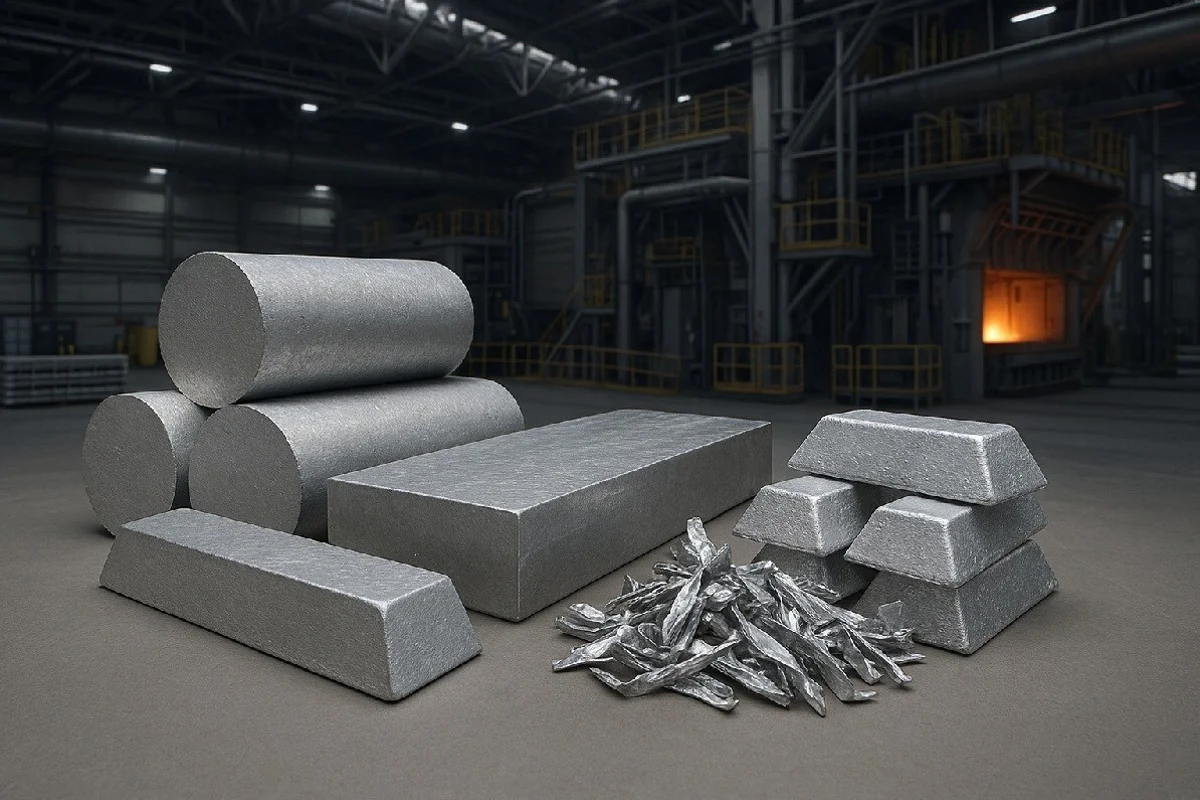
With demand rising for low carbon aluminium, producers in several regions are accelerating plans to increase their secondary capacity. Much of the new capacity scheduled is concentrated in billets, slabs and ingots, which are increasingly becoming the main focus of recycling investments.
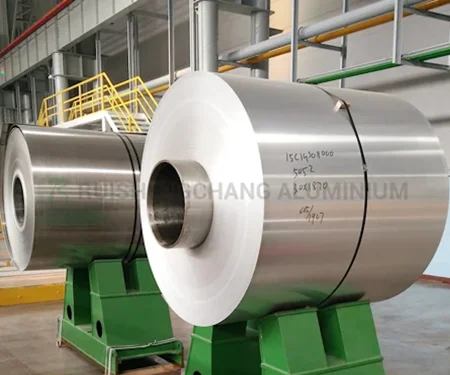
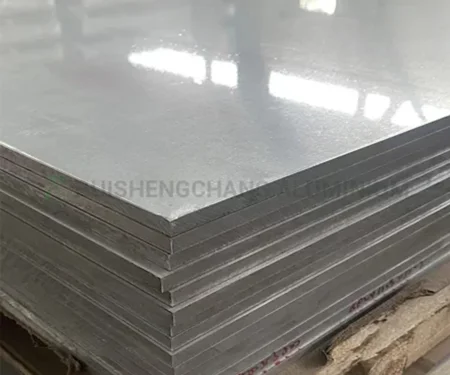
Between 2022 and 2026, secondary additions are dominated by billets, which make up 11 million tonnes of the 22-million-tonne total. Their growing importance mirrors the expansion of extrusion and construction activity, where demand has remained consistently strong. Slabs follow with 8.8 million tonnes of new capacity, supported by rolling demand and a sharp increase expected in 2025 tied to automotive and packaging needs. SFA (Ingot) capacity, at 2.2 million tonnes, reflects the maturity of the ingot market, even as casting activity continues to rely on it. Primary aluminium output — rising by around 1.2 million tonnes each year—reinforces that role.
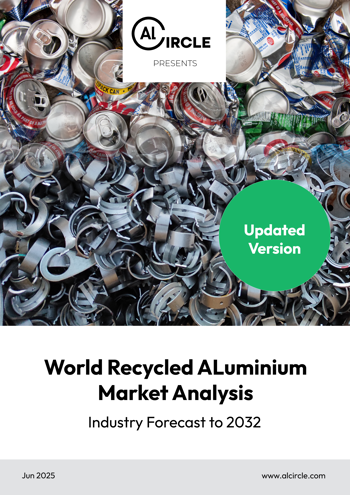
Regional data shows how these products are distributed across markets. North America leans heavily on slabs, adding 2.0 million tonnes, while billets and SFA contribute 0.9 million and 0.1 million tonnes respectively. Western Europe’s additions tilt toward billets at 0.8 million tonnes, with slabs at 0.4 million tonnes and SFA at 0.1 million tonnes. To access more accurate data, download: World Recycled ALuminium Market Analysis Industry forecast to 2032.
Unlock full access – sign up for FREE.
Key benefits
China wins the race against the US in aluminium recycling output, capacity and expansion
Next articleAs Fastmarkets embeds CBAM into billet premiums, how do aluminium traders calculate costs?
Grow with
AL Circle