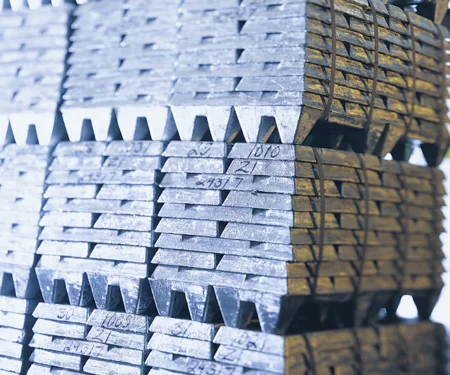
Scarce electricity and tariff pressure – what is the future of American aluminium?
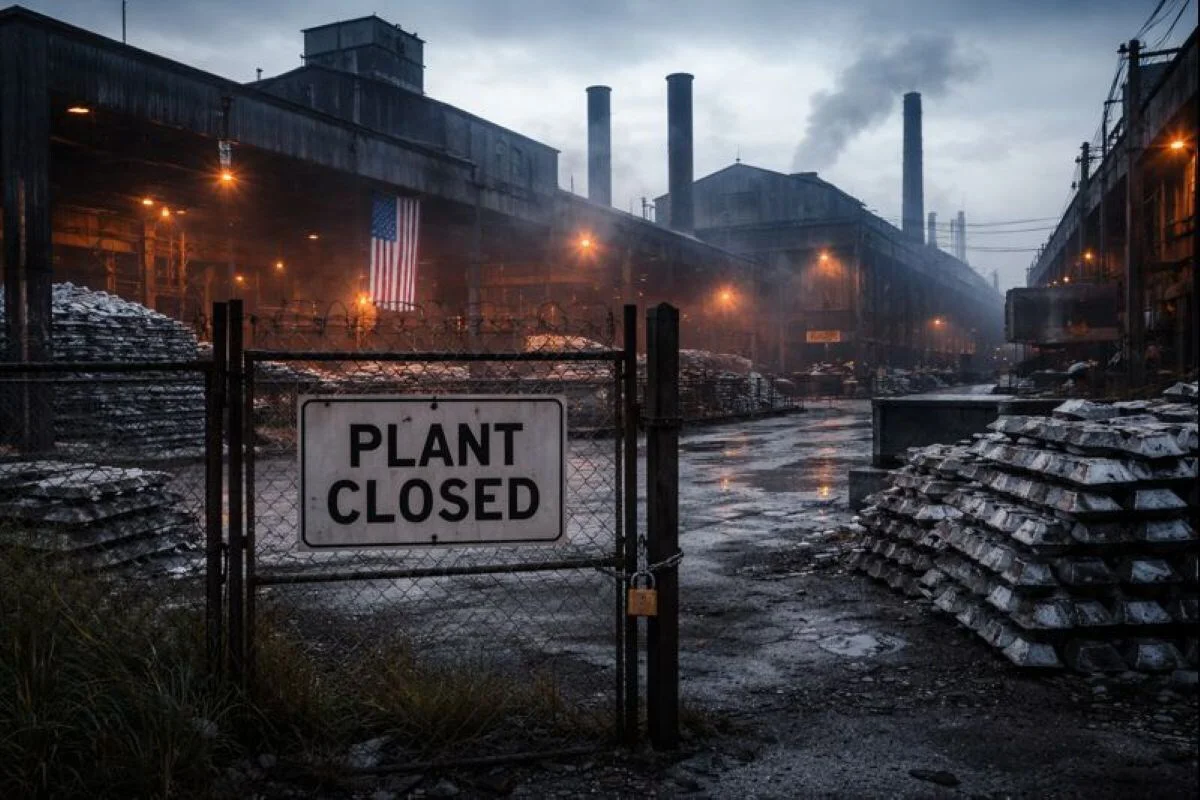
The United States has been witnessing a collision between AI data storehouses and aluminium smelters, and a tug of war for electricity. All over the US, facilities are faced with electricity generation and transmission challenges. While choosing a customer to supply power, they are opting for the data centre as it can pay more with a rapid scale and also accept shorter terms. Consequently, aluminium smelting depends on a stable and affordable electricity supply. However, owing to the volatile and unstable flow of electricity (both conventional and renewable), aluminium has to bear the brunt of competitiveness erosion.
Explore- Most accurate data to drive business decisions with 50+ reports across the value chain
Primary aluminium smelting is highly vulnerable to electricity costs because power is an imperative input in the sector. According to the Aluminium Association, the power drawn by a contemporary smelter is equivalent to that of an entire city such as Nashville or Boston. Moreover, interruptions can wreck equipment, leaving long-term damage to financial viability, and therefore, it needs to run continuously. The smelters generally depend on long-term power supply contracts for sustainability, priced at an average of USD 40 per MWh. By contrast, AI data centres can handle steeper electricity prices, shift locations to redistribute power loads, and convert that into profitable high-margin digital offerings.
Unlock full access – sign up for FREE.
Key benefits
LME cash offer eases to USD 2,833.5/t as inventory signals quietly shift
Next articleMozal aluminium operations to be suspended owing to power deal deadlock
Grow with
AL Circle