Samsung T7 Resurrected: Where 100% recycled aluminium meets high-speed reliability
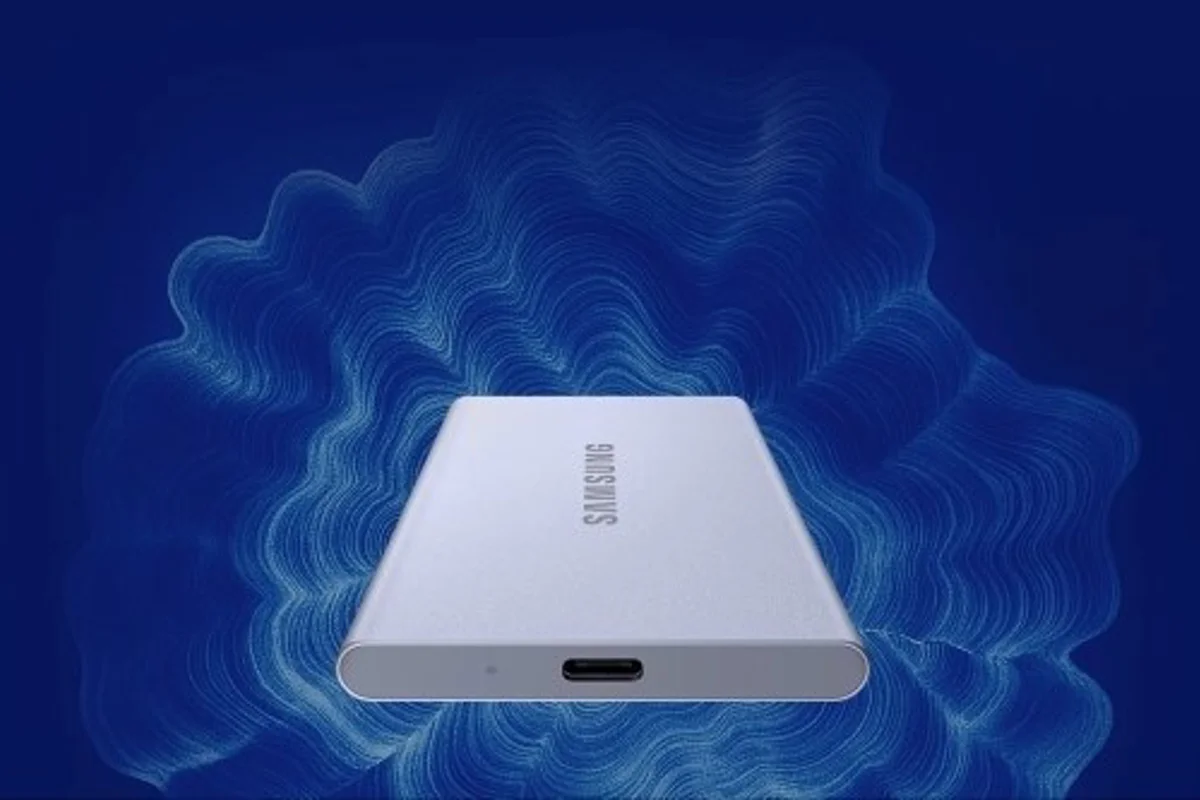
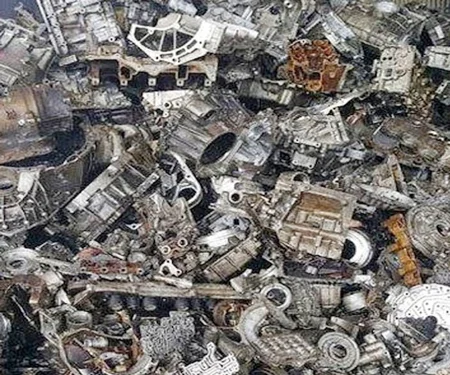
A refreshed version of the T7, with the Portable SSD T7 Resurrected, as introduced by Samsung, widens the firm’s sustainable approach whilst maintaining the same performance as the previous model. The body of the new drive is made of 100 per cent recycled aluminium, which is certified by TUV Rheinland.
Use of recycled aluminium
The sourcing of the recycled aluminium is done by using the leftover material from the production of the company’s Galaxy device series. While developing with the T7, Samsung has eliminated the colouring process, aiding in giving the SSD a natural finish as well as reducing the chemical usage.
T7 Resurrected packaging is done by utilising 100 per cent recycled paper and ASA-certified soy ink. Implementation of these changes has ensured the firm to nurture a product to gain victory in the 2026 CES Innovation in the category of Sustainability and Energy.
Other technical features
Moreover, the T7 Resurrected boasts impressive sequential read speeds of up to 1,050 MB/s and write speeds reaching 1,000 MB/s, due to its USB 3.2 Gen 2 interface. The choice is available from 1TB, 2TB, or 4TB storage options. Keeping the sleek design of the previous model, the T7 measures 85 x 57 x 8 mm, weighing around 72 grams. The lightweight feature of the product is mainly owed to the use of recycled aluminium.
Explore- Most accurate data to drive business decisions with 50+ reports across the value chain
The SSD works seamlessly with a wide variety of devices and operating systems, such as Windows, macOS and Android and can be used with PCs, laptops, tablets and smartphones. When it comes to durability, the newly introduced product has desired specifications, including drop resistance from heights of up to two meters.
Additionally, a non-operating shock tolerance of 1,500G for 0.5 milliseconds across three axes and vibration resistance ranging from 20 to 2,000 Hz at 20G. This drive can handle operating temperatures from 0°C to 60°C, a non-operating range of –40°C to 85°C and it tolerates humidity levels between 5 per cent and 95 per cent without condensation.
Must read: Key industry individuals share their thoughts on the trending topics
_0_0.png)
Alcore secures full funding for its Bell Bay hydrogen fluoride plant
Next articleNew Valencia–Nestlé pact aims to recover thousands of small aluminium items long lost in sorting
Grow with
AL Circle