Russia will seek to increase trade and investment with India: Oleg Deripaska, Founder of Rusal
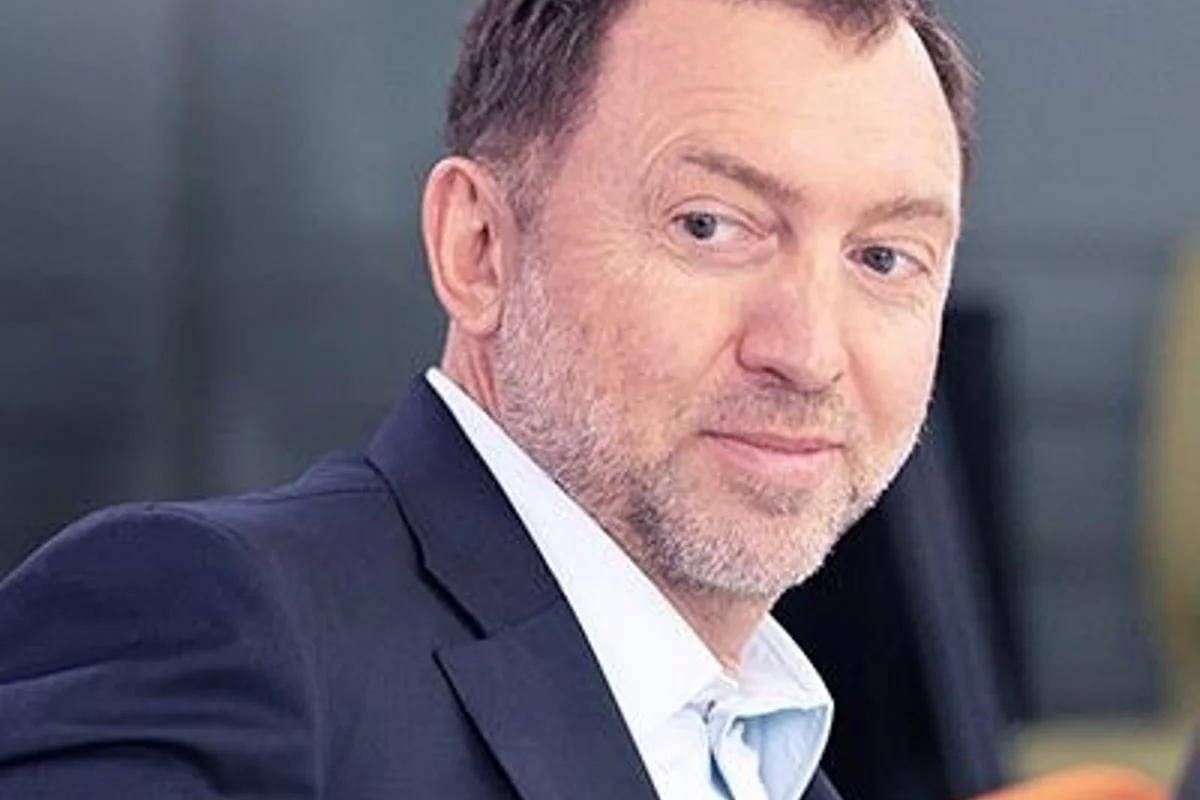
The founder of Russian aluminium giant Rusal and oligarch Oleg Deripaska commented by saying that Russia will seek to foster trade and investment liaison with India, China and Southeast Asian nations. Oleg Vladimirovich Deripaska, a Russian billionaire and industrialist, was once Russia's richest man but lost a substantial part of his fortune amid the 2007–08 financial crisis.
Deripaska further added that following Russia’s geopolitical setback with Ukraine, Russia’s ingress to its conventional destinations of exports and imports is eminently restricted. Hence, Moscow glancing to mature new trade and investment ties with allies in Asia, including India, China and Southeast Asian countries.
While speaking at the 25th-anniversary edition of the St. Petersburg International Economic Forum (SPIEF), Oleg Deripaska, the founder of Rusal, one of the leading aluminium producers globally said, “There’s an understanding that the new normal would fundamentally change Russia’s economic reality.”
According to him, Russia must build the same kind of infrastructure it built with Europe over 12 years, from 1991 to 2003. However, this incorporates entrapping new logistics routes and related infrastructure, customs procedures, trade agreements, infrastructure for settlements, gaining access to debt capital markets and developing an ecosystem for various modes of trade financing.
Deripaska was placed under US sanctions in 2018 and he is one of seven oligarchs sanctioned by the British government over the 2022 Russian-Ukraine military conflict, including assets freeze and travel bans.
In regards to the shift of the trade routes, he exemplified, “It is a lengthy process. We need to build transport corridors through the Bosphorus via Turkey to North Africa and the Middle East; through the Caspian Sea via Iran to India, and from the [Russian] the Far East to Southeast Asia. This requires significant efforts and large investments.”
“The funding should come from the government and the corporate sector, as well as the countries that would benefit from those new routes, including India, as this would reduce the price of key commodities, including aluminium, steel, nickel, oil and gas, in the long term.”

“This is a complex process, it will require certain efforts from the government — which, too, must change its approach and thinking. If earlier we relied on the WTO and believed everyone plays by the same rules, it is a thing of the past now,” Deripaska added.
For both the nations, Russia and India it is very much predominant to have direct trade agreements and bilateral investment treaties, as said by Deripaska.
“Russia’s annual bilateral trade with the EU was in the range of €750 billion to €1 trillion. We predict to attain around $200 billion with China in the next three years; it could be even $500 billion, conditional on what sort of economic growth Russia will be able to sustain. I believe Russia-India bilateral trade will sway between $120-150 billion in the next decade, I do not doubt that”, he added.
Metal industry titans Alcoa and Dofasco minting on green energy
Next articleChina’s primary aluminium ingot inventories on W-o-W decline to 751,000 tonnes on June 23
Grow with
AL Circle