Rusal’s Aughinish alumina refinery expansion opposed by local groups

The groups of local campaigners in Limerick, Ireland stated their protest for any expansion of Rusal owned Aughinish alumina’s refinery, as the alliance raised their voice for the objectionable environmental risk to the Shannon estuary and the health of local people.
On 7th February 2022, Pat Geoghegan, the spokesperson of Cappagh Farmers Support Group, commented during the virtual protest meeting, “The expansion being sought by the operation of Russian owners, Rusal, and it would lead to a further build-up of toxic material at the site near Askeaton, Co Limerick.”
The expansion of the largest alumina refinery in Europe is contemplated as strategic infrastructure development, so the company endeavoured planning approval from ‘An Bord Pleanála’, Ireland’s national independent planning body that decides appeals on planning decisions made by local authorities as well as direct applications.
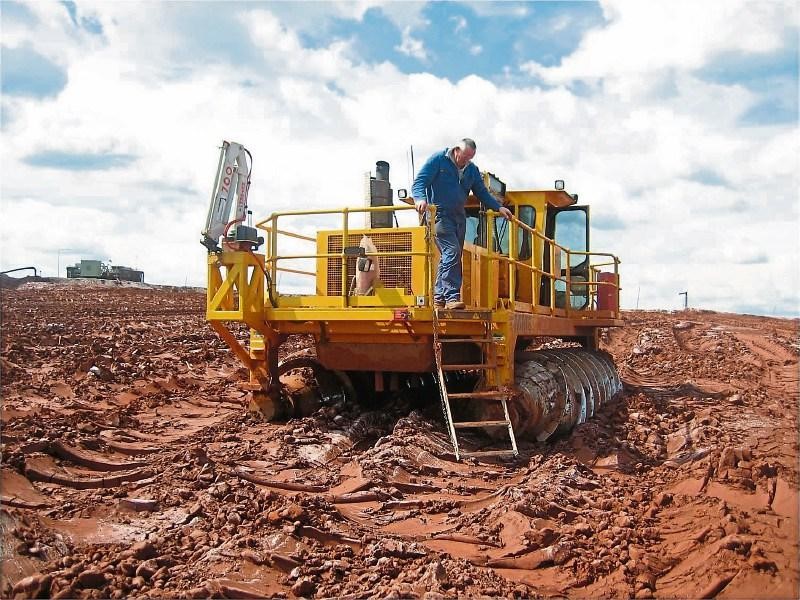
The refinery puts the idea to elevate the maximum height of its bauxite residue disposal area (BRDA), commonly which is termed as the “red mud” pond to 44 metres and also to upheave the level of salt cake, a hazardous material to a new maximum of 35 metres. These areas, generally located side by side, stockpile the two main by-products of bauxite processing.
Aughinish also seeks to enlarge its borrow pit to facilitate further blasting of rock on-site to deliver material for expanding the BRDA, with works due to commence in the coming months.
The decision for the fresh application is anticipated in June, while considerations by the interested parties must be submitted to the board by the latest by the end of this week.
However, in its planning application, the company alerted: “The closure of the facility at Aughinish would result in a significant loss in highly-skilled employment opportunities in the wider area and result in the loss of one of the state’s major industrial manufacturing facilities.”
The expansion development is focused on securing alumina production till 2039, whereas, if the permission is not accorded, the refinery will be forced to shut down by 2030, resulting in a direct lay-off of 482 people with an additional 385 maintenance and contract jobs.
Geoghegan said, “I am alarmed by the possible effects of increased levels of pollution on human health, livestock and the environment.”
“There is also a real possibility that the use of explosives so close to the banks of a red-mud pond would result in disastrous contamination of the river Shannon.”
“There was an estimated 50 million tonnes of red mud in one pond, which was in past was classified as hazardous but is now regarded by the EU as ‘inert’. The Environmental Protection Agency estimated there was a build-up of 35 to 40 million tonnes of salt cake,” Geoghegan said before the meeting.

“This was probably an underestimate, and the cumulative figure was at least 100 million tonnes of toxic waste. The material was building up with no indication of who is going to clean this up.”
“More red mud volumes would increase the risk of wind blowing dust onto nearby farms, the Shannon estuary and beyond”, Geoghegan added.
“The dearth of flora and fauna near the Aughinish Alumina plant, which is the largest industrial complex in the country, should set alarm bells ringing and needs proper investigation.”
Alumina production in Europe (incl. Russia) sees a rise of 1.75% to 5.245 MT in H2 2021 ended December 31
Next articleAnrak Aluminium gearing to commission alumina refinery in India
Grow with
AL Circle