AlCircle.com
Role of energy prices 2025 and outlook in aluminium’s next 25 years, considering three likely distinct scenarios
Edited by : Pratyusha Chatterjee
7 min read
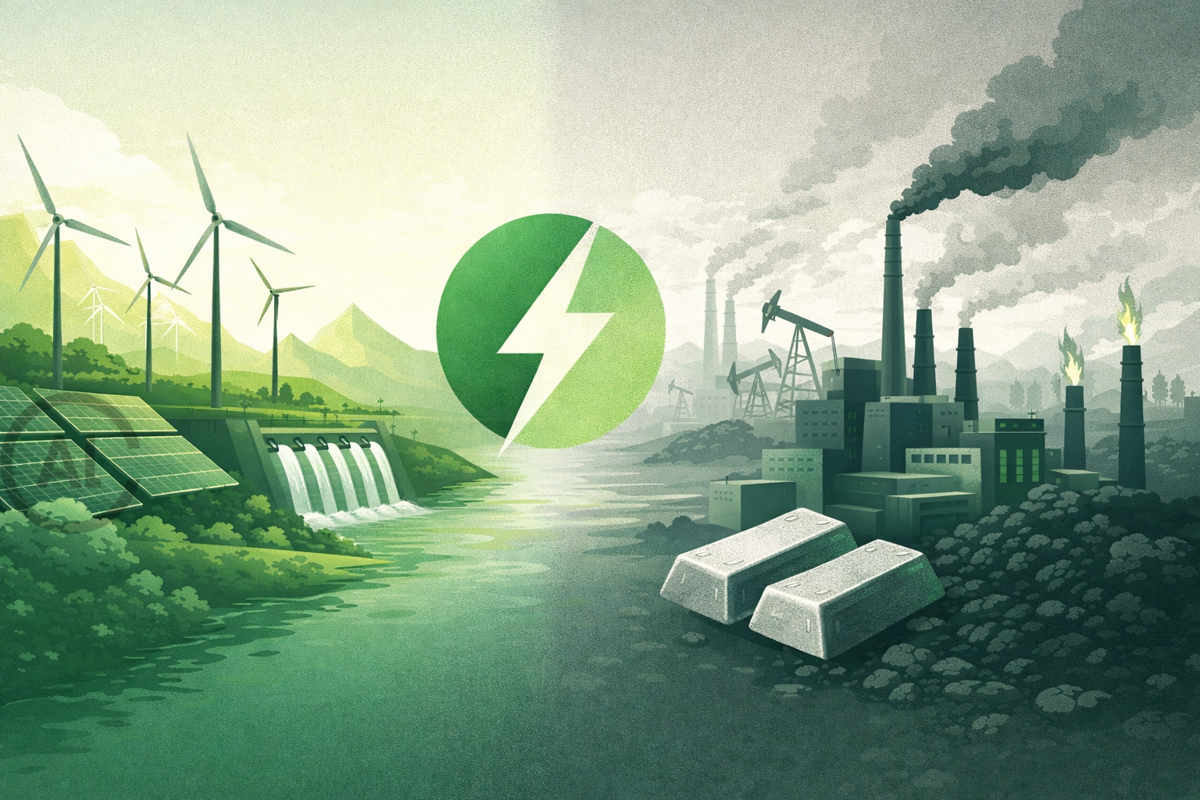
Call it destiny or plain arithmetic, aluminium’s decarbonisation story now hinges on energy prices. The Hall-Héroult smelting process is evidently electricity-intensive, so swings in oil, gas, coal and (crucially) electricity prices feed directly into producers’ margins, and definitely into the calculus for switching smelters to renewables or cleaner fuels.
Also read: Global bauxite production refused to blink in 2025, leading to an output exceeding 475 MT
Starting with the numbers
Unlock full access – sign up for FREE.
Key benefits
Find exclusive data-driven insights and in-depth analysis
Get our daily newsletter delivered straight to your inbox
Access real-time and historical price trends from global indices
Post and respond to latest business leads
Stay ahead with alerts on learning tools
...and so much more!SIGN UP / LOGIN
Previous article
Hydro and Alumobility collaborate to help automakers meet sustainability targets
Next articleWhen staycation meets sustainability: How? Taj Hotel installs a mighty 50kWp solar power plant
Grow with
AL Circle