Rise in aluminium price causes China’s billet inventories to fall sharply by 19,200 tonnes
Some major aluminium extruders have begun production, while others will not be fully operational until late February or early March. Due to the Russia-Ukraine conflict, price of aluminium has been increasing consistently, causing several downstream companies to choose aluminium billets over ingots, resulting in decline of aluminium billet inventories.
As updated by the Shanghai Metals Market, China’s aluminium billet inventories declined for the third consecutive week by 19,200 tonnes or 7.35% week-on-week. As a result, the inventories closed at 241,500 tonne, as of Thursday, March 3. Given the high price of aluminium, it's unclear how much and how long the aluminium billet stockpile will decrease.
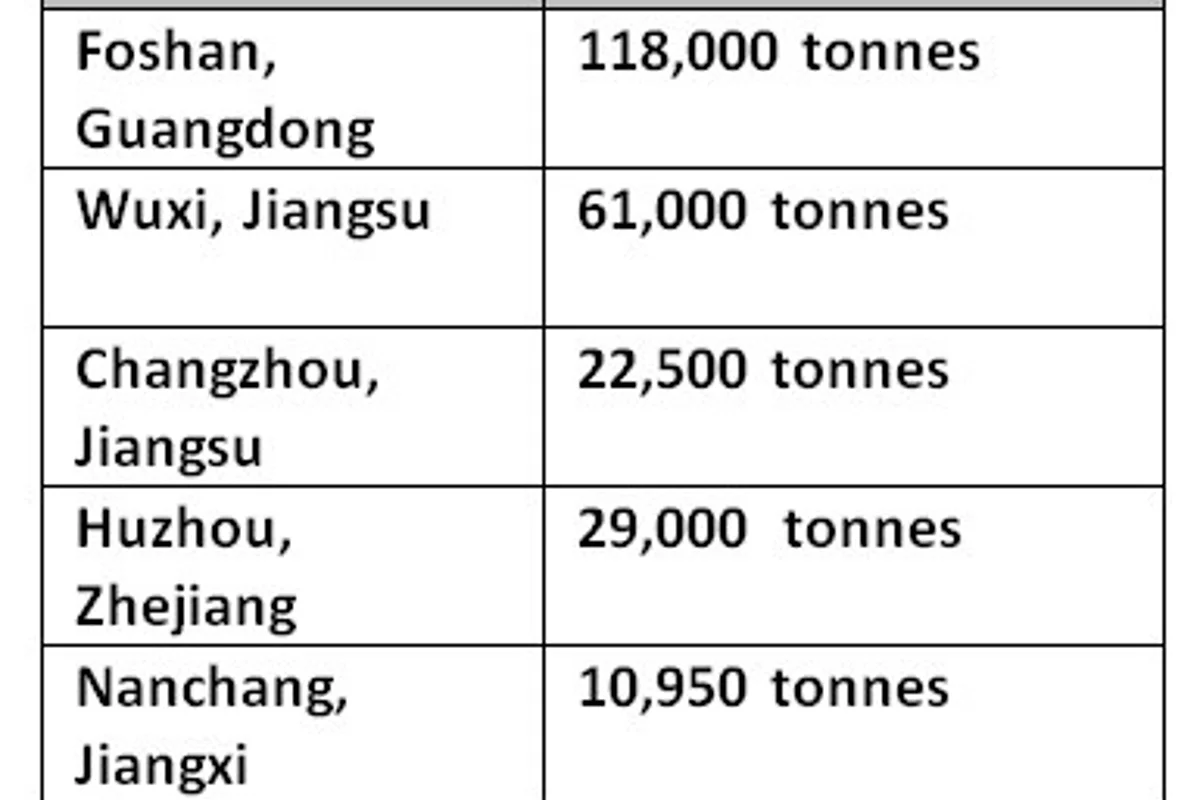
The chart below indicates the current status of aluminium billet inventories across China in more details:
In Foshan, the aluminium inventories fell by 6,909 tonnes this week to register at 118,000 tonnes.
For the same day in Changzhou, the inventories dropped by 7,800 tonnes to record at 22,500 tonnes. In Nanchang also the price declined by 4,550 tonnes to stand at 10,950 tonnes.

On the other hand in Wuxi, the inventories moved up by 100 tonnes to close at 61,000 tonnes. Only in Huzhou, the inventories remained unchanged to settle at 29,000 tonnes. Given the high price of aluminium, it's unclear how much and how long the aluminium billet stockpile will decrease.
US export of aluminium plates, sheets and bars to Mexico nosedives 13.61% Y-o-Y
Next articleHindalco’s aluminium foil manufacturing plant in Mouda bags ASI Performance Standard certification
Grow with
AL Circle