Rio Tinto to invest $50 million to improve waste handling at Tiwai Point
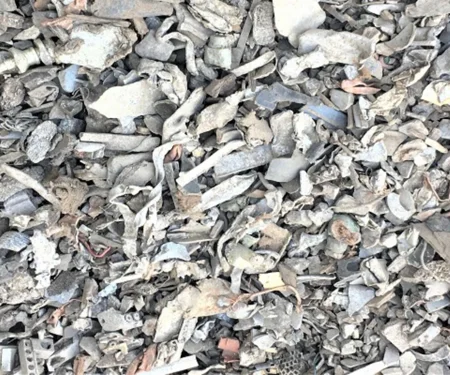
Rio Tinto’s New Zealand Aluminium Smelter is preparing for a major shift in how it handles spent pot lining, confirming a USD 50 million investment in a new processing facility for the aluminium byproduct at Tiwai Point.
The facility will tackle spent cell liners (SCL) that have, until now, been stored either in covered sheds or within a sealed pad at the site. Its management has long been a point of contention and, at times, controversy.
Explore- Most accurate data to drive business decisions with 50+ reports across the value chain
One of the defining moments came in 2021, when the global chief executive, Jakob Stausholm, travelled to Wellington to apologise to the Government for the company’s approach to waste handling. The apology followed the 2020 emergency in Mataura, when hundreds of residents had to evacuate out of fear that flooding could come in contact with 9500 tonnes of ouvea premix, a toxic waste generated by Tiwai Point and stored by contractors in the town’s former paper mill.
In the years since, the company has been working to address legacy materials at the site. Since January 2024, NZAS has been sending SCL to Australia, where specialist processor Regain treats it for reuse in the global cement industry. The new Tiwai Point facility will bring that process home.
Acting general manager Matt Black believes the move is central to Rio Tinto’s remediation strategy. The new plant will reduce the need to transport waste overseas and provide a long-term solution for the site. SCL held in the encapsulated pad will be dug out over time, processed on-site, and then exported for reuse.
Construction of the facility is expected to start in the second quarter of next year, with all required consents already secured. Around 20 jobs will be created during the build and six roles once operations begin. Regain Services Ltd, already running a similar operation at the Tomago smelter in New South Wales will manage the Tiwai plant once it is up and running.
Black said the development marks a significant step in meeting commitments made to Ngāi Tahu and local communities. Reducing waste, improving environmental performance, and ensuring legacy materials are safely managed are all key aims of a remediation plan co-designed with Ngāi Tahu. That plan sets out how old waste will be removed, monitored, repurposed, and how the whenua will be restored over time. He added that the partnership with mana whenua sits at the heart of NZAS’s current approach.
Rio Tinto’s Pacific operations managing director, Armando Torres, said the project strengthens the company’s long-term environmental commitments. He described the investment as evidence of the stewardship the company aims to uphold alongside its iwi partners.
Te Rūnanga o Ngāi Tahu’s group head of strategy and environment, Jacqui Caine, also welcomed the announcement, calling it “another positive step forward in the remediation of the Tiwai site”.
The wider remediation programme has already achieved significant progress, including exporting more than 36,000 tonnes of SCL for reuse since 2024, returning ouvea premix, and tackling historic dross.
Must read: Key industry individuals share their thoughts on the trending topics

LME cash aluminium climbs 0.77% to $2,825/t; exchange stocks slip 0.37%
Next articleLME aluminium climbs to $2,860/t, up 1.2%; alumina Platts slips 1.6%
Grow with
AL Circle