Rio Tinto signals structural shift with elevated output and cost discipline
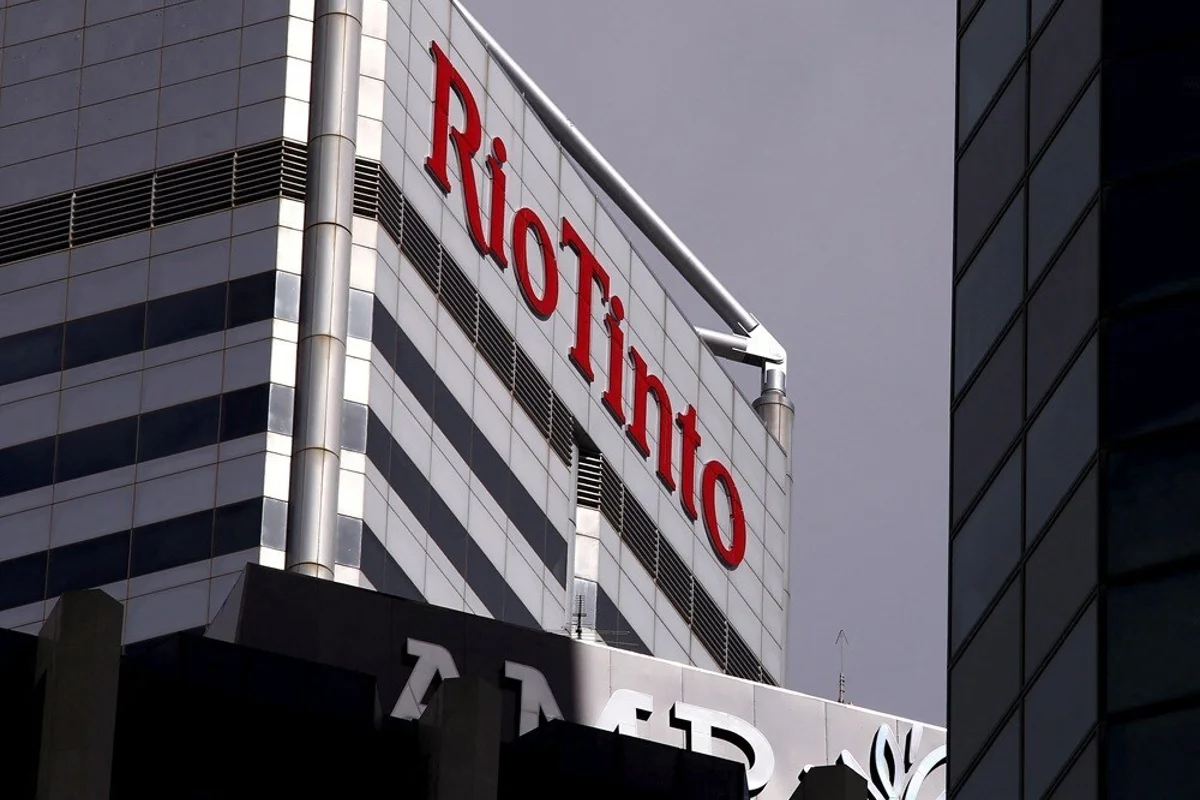
At the 2025 Capital Markets Day, Rio Tinto has indicated a decisive shift in how it intends to build value over the coming decade. Rather than unveiling something radical, the company is reframing its entire operating philosophy around clarity: sharpen the portfolio, simplify the structure, and strengthen returns. Chief Executive Simon Trott outlines how these guiding ideas are being translated into practical measures across the business.
At the centre of Trott’s message is the conviction that Rio Tinto already holds the right mix of assets and market exposure, which is the need of the hour. The company is therefore anchoring its strategy around three pillars designed to raise performance to what management believes should be industry-leading levels.
- The first pillar is focused on operational excellence through a streamlined emphasis on Iron Ore, Copper, and Aluminium & Lithium, supported by stronger safety systems, sharper ore body insight and sustained productivity gains.
- The second pillar emphasises disciplined project execution to convert major developments into reliable growth by delivering new capacity at scale, on schedule and within budget.
- The third pillar prioritises rigorous capital discipline to maintain a resilient balance sheet and uphold the company’s longstanding record of strong shareholder returns.
Explore- Most accurate data to drive business decisions with 50+ reports across the value chain
Production, productivity and portfolio actions
Rio Tinto expects production to rise 7 per cent in 2025, with the outlook for compound annual growth of 3 per cent through to 2030. Much of this momentum is tied to the build-out and ramp-up of several flagship assets, notably Oyu Tolgoi (copper), Simandou (iron ore) and its lithium initiatives at Arcadium and Rincon.
The company delivered about USD 650 million in annualised productivity gains in the first quarter, reflecting the impact of its leaner structure and clearer asset-level accountability, with management expecting further improvements as it streamlines processes, cuts waste and ends non-core work.
Rio Tinto further plans to release USD 5-10 billion from its asset base by pursuing partnerships and other strategic arrangements that tap cheaper third capital, with a review of its Titanium, Iron and Borates units now entering the market.
Trott summarises the overall direction succinctly: the company is “building from a position of strength” and intends to unlock value by combining discipline with a more streamlined organisational design. Cash generation, he emphasises, must continue to support future investment while maintaining strong returns to shareholders.
Cost trends, capital plans and growth potential
The executive team also highlights a 4 per cent reduction in unit costs over the period from 2024 to 2030. Meanwhile, mid-term capital expenditure (from 2028 onward) is expected to fall back below USD 10 billion, as major programmes—including Oyu Tolgoi underground, Simandou, Rincon and the renewal of Pilbara and Amrun—reach completion.
Lithium remains a priority. Rio Tinto says its in-flight projects will deliver around 200ktpa capacity by 2028, though it stresses that any further capital commitment will depend strictly on market conditions and return thresholds.
The company notes that, at long-run consensus prices, EBITDA could increase by as much as 40–50 per cent by 2030, supported by 20 per cent growth in copper-equivalent output, alongside efficiencies and capital discipline. The earnings mix is already shifting, with aluminium and copper contributing more prominently this year, and management expects the medium-term financial profile to become steadily more balanced across the portfolio.
Financial strength and decarbonisation path
Rio Tinto underscores the importance of maintaining a conservative net debt position. The group’s 40–60 per cent shareholder returns policy has now been applied consistently for nine years, and that framework remains in place.
On decarbonisation, the company has revised the capital requirement for achieving a 50 per cent emissions reduction by 2030, now estimating USD 1–2 billion compared with a previous USD 5–6 billion projection. The reduction stems from Rio Tinto’s approach of leveraging third-party renewable investments and only advancing technologies that meet stringent financial criteria.
Key upgrades over 2025 production
The company is upgrading several elements of its 2025 guidance:
- Copper production is now expected at 860–875 thousand tonnes, higher than prior expectations, with lower unit costs of 80–100 c/lb.
- Bauxite output is set to exceed the earlier 59–61 million tonnes target.
- Aluminium is forecast at the upper end of the 3.25–3.45 million tonnes range.
- Conversely, IOC production is adjusted downward to 9.0–9.5 million tonnes.
For 2026, Rio Tinto has published a full suite of production and capital expectations:
- Total iron ore sales: 343–366 million tonnes
- Pilbara: 323–338 million tonnes
- Simandou: 5–10 million tonnes
- IOC: 15–18 million tonnes (100 per cent basis)
- Copper: 800–870 thousand tonnes
- Bauxite: 58–61 million tonnes
- Alumina: 7.6–8.0 million tonnes
- Aluminium: 3.25–3.45 million tonnes
- Lithium (LCE): 61–64 thousand tonnes
Capex:
- 2025: USD 11 billion
- 2026: up to USD 11 billion
Mid-term: up to USD 10 billion per year
Don't miss out- Buyers are looking for your products on our B2B platform

NALCO’s breakout year: lower cost with high production signals dramatic growth
Next articleLME aluminium rises to USD 2,865/t and the inventories dip
Grow with
AL Circle