Rio Tinto invests $87 million to raise low-carbon AP60 aluminium production in Canada
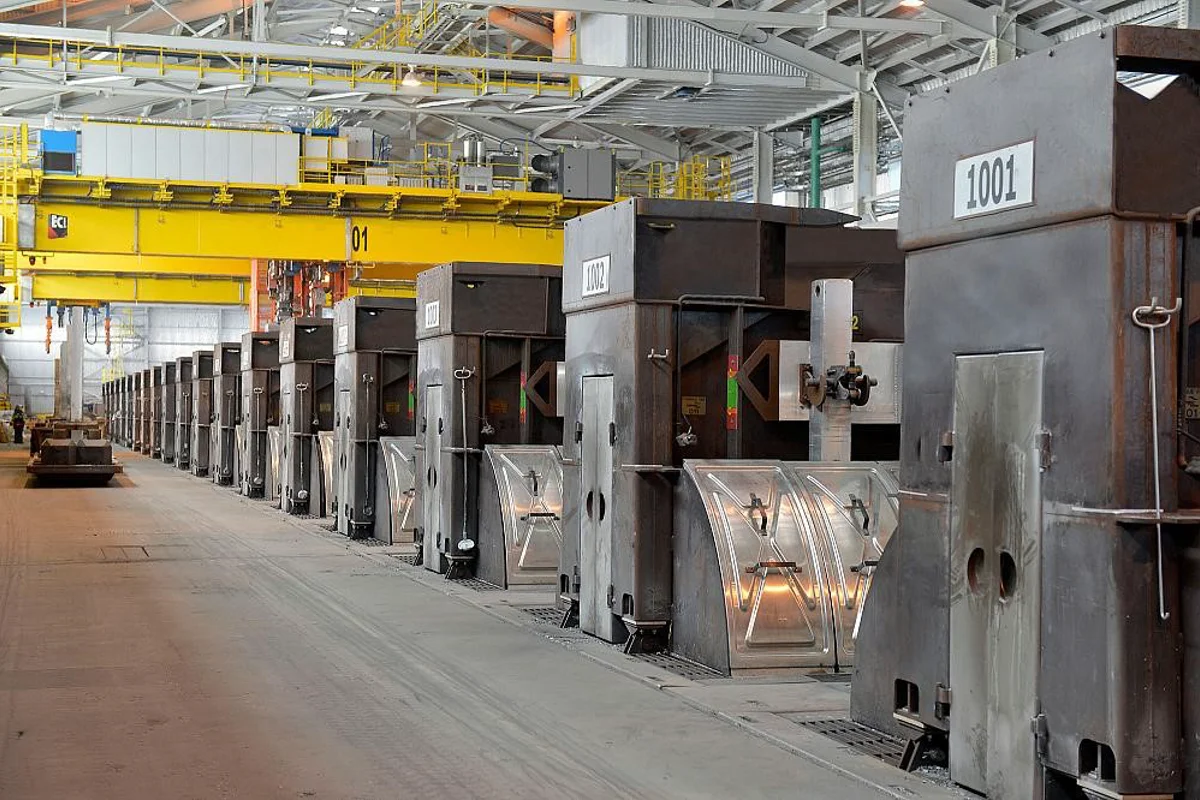
The global mining and metal giant, Rio Tinto is infusing $87 million to raise its low-carbon aluminium production in Canada with 16 new smelting cells at its AP60 smelter, in the Saguenay-Lac-Saint-Jean region of Quebec.
The investment will inflate production at the smelter by around 45% or 26,500 tonnes of primary aluminium per year to a capacity of 86,500 metric tonnes and deliver a secure prospect for approximately 100 employees working at the facility.
Rio Tinto predicts that the global aluminium market will grow at an average rate of 3.3% per annum over the next decade with strong demand driven by the energy transition and decarbonisation.
Ivan Vella, the CEO of Rio Tinto Aluminium said: "Rio Tinto is committed to strengthening its position as a leader in low-carbon, hydro-powered aluminium production to meet the clear demand from our customers in North America and Europe. Our AP60 technology is one of the most energy-efficient, environmentally friendly and cost-effective systems in commercial production today. It produces some of the world’s lowest carbon aluminium with renewable hydropower here in Quebec. We are assessing options for further investments, as we progress the development of the ELYSIS™ zero-carbon smelting technology with our partners."

The new pots will be built in the existing building of the Complexe Jonquière’s AP60 technology centre, which currently has 38 pots. However, the work will commence in the spring of 2022 and is expected to be accomplished by the end of 2023. Simultaneously, Rio Tinto will review the capability to add more AP60 cells at the site.
The AP60 technology was developed by Rio Tinto's research and development teams, comprising the Arvida Research and Development Centre and it generates seven times reduced greenhouse gases than the traditional industry average. Since their commissioning in Saguenay in 2013, the initial AP60 technology pots have produced more than 465,000 tonnes of low-carbon aluminium.
China lays energy consumption benchmarks for power-intensive industries to reach net-zero goal, stocks of aluminium and steel tumbles
Next articleLME aluminium price decreases by US$0.5/t to close at US$2,628/t; SHFE price moves up by US$22/t
Grow with
AL Circle