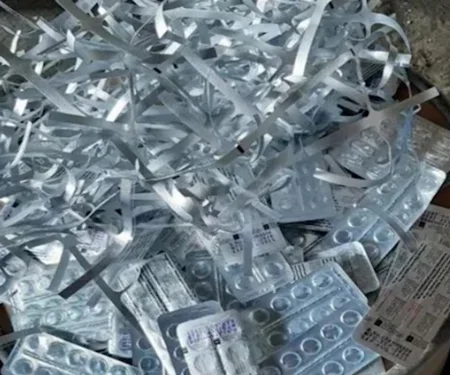
Restricted aluminium scrap imports by China drives a steady import growth in Indonesia

A large number of countries are found actively participating in recycling aluminium to produce fresh metal. The infinite recycling properties of aluminium are of course, not unknown to us, neither the fact that it involves about 95 per cent less energy than the primary production process. As per the report released by London-based Technavio, the global aluminium recycling market will rise to 32.12 million metric tonnes by 2021, at a CAGR of nearly 8 per cent. Some of the major players in this sector are the United States, Germany, United Kingdom, France, and Saudi Arabia.
{newsStudioGallery}
The use of aluminium scrap in some of the Southeast Asian countries has also been found growing. For instance, Indonesia’s import of aluminium scrap has been rising year over year, according to the global export-import data. In 2017, the country’s estimated aluminium scrap import had pegged at 84,849 tonnes, up 29 per cent from 65,903 tonnes in 2016. The year 2018 saw a further rise in Indonesia’s aluminium scrap import to 120,132 tonnes, up 42 per cent year-on-year. However, the global data estimates that this year the import volume by Indonesia will likely stay flat at 120,437 tonnes.
With the increasing rise in import volume, Indonesia’s import cost of aluminium scrap also found growing year-on-year, according to the available data. In 2016, the country’s aluminium scrap import cost was at US$76 million, which in the next year (2017) grew 39 per cent to US$106 million. In 2018, the cost rose further to US$154 million, up 51 per cent year-on-year, in tandem with the rising import volume. This year, Indonesia is estimated to extend the rise of its aluminium scrap import cost, despite the volume likely to remain flat. According to the data, the cost is projected to grow to US$162 million, up 5 per cent from 2018.

Since when the Chinese legislation has placed limits and bans on imports of certain aluminium scrap types upending traditional flows, China’s scrap imports started diminishing, resulting in increasing imports into nearby markets. These regions include Malaysia, Taiwan, Turkey, Thailand, and Indonesia.

This increasing amount of imported scrap can be consumed domestically, processed for re-export in forms pure enough to meet the new waste standards, or can be stockpiled in warehousing facilities alongside ports in anticipation of future demand within the region.
British company King of Shaves to switch to aluminium and cork for recycling benefits
Next articleChina’s secondary aluminium operating rates record growth in March
Grow with
AL Circle