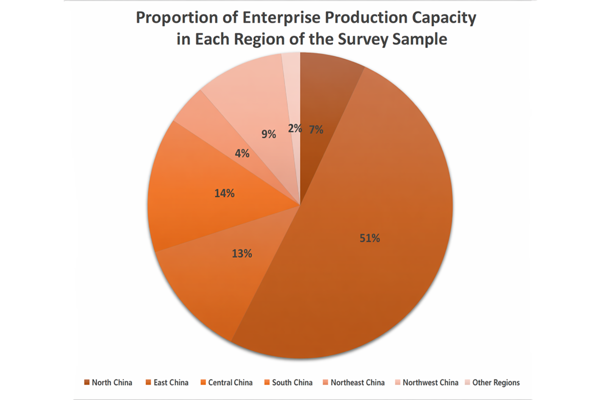
According to SMM survey statistics, the operating rate of the secondary aluminium alloy industry in September was 35.0 per cent, up 3.1 percentage points M-o-M but down 6.7 percentage points Y-o-Y. Industry production continued its recovery trend, but the overall operating level remained below the same period last year. On the demand side, September marked the traditional peak consumption season, with downstream orders recovering from August. End-use demand from automobiles and other sectors improved marginally, but the peak season effect has yet to fully materialise. According to CAAM data, automobile production in September was 2.99 million units, up 11.4 per cent M-o-M but down 8.7 per cent Y-o-Y. NEV production was 1.814 million units, up 12.2 per cent Y-o-Y. CAAM noted that China's...
Europe’s aluminium scrap exports to the US have risen by 243 per cent, highlighting a growing concern over the continent’s access to strategic raw materials as it pursues recycling, decarbonisation and industrial competitiveness. Evangelos Mytilineos, Executive Chairman of METLEN, raised the issue, linking scrap outflows to the broader challenges facing European industry, energy security and strategic autonomy. Aluminium scrap outflows raise industrial concerns Mytilineos referred to the contrasting US tariff treatment of aluminium products, i.e., a 50 per cent tariff on primary aluminium, compared with zero tariff on scrap . With European aluminium scrap exports to the US increasing by 243 per cent, he questioned whether Europe could strengthen its industrial base while allowing valuable...
Grow with
AL Circle

Presently, around the world, the primary technique of processing aluminium scrap is remelting in units of various types and then molten metal is usually cast into ingots. However, in some cases, the melt is granulated or gas atomized to produce powder of recycled aluminium. The remelting-casting technologies are very power consuming. The newly industrialized country, Indonesia imported 472,683 tonnes of aluminium scrap during 2019-21, which incurred foreign revenue outflow of $600.08 million for the import. Indonesia, the world’s largest island nation in 2019 imported 160,778 tonnes of aluminium scrap, counting expenditure of $179.17 million, whereas, in 2020, the aluminium scraps import denoted downfall by 7.12%, as the import volume plunged to 149,317 tonnes due to demand and supply...

Slovakia launched a new deposit return system for aluminium cans to increase its recycling rate, this year. In Slovakia, almost 1.5 billion aluminium beverage containers are sold each year. The government believes now is a suitable moment to integrate them into the drop-off recycling system that already exists for plastic bottles. The payout for each can has been set at 15 Eurocents. Slovakia is deploying 1700 reverse vending machines at collection stations throughout around 2000 establishments to collect, sort, and manage the return of aluminium cans. Tesco, a grocery business, is a popular hangout. The take-back apparatus was developed by Tomra Sorting Systems, a technology company. According to the government, a recent poll found that nearly 86% of Slovakians approve a deposit return...

Aluminium is regarded as a sustainable metal, which signifies it can be recycled again and again with no loss of material, like aluminium cans are 100% recyclable, making them the most recyclable (and valuable) of all materials. The most common source of scrap aluminium is general-purpose items, such as beverage cans and household products. However, aluminium retrieved from aircraft is a small but rising source of scrap material. The northernmost country in Africa, Tunisia exported 25,788 tonnes of aluminium scrap during 2019-21, incurred revenue generation of $26.47 million from the export. In the automotive parts and equipment industry, the construction sector delivers a good amount of aluminium scrap in Tunisia. In 2019, the nation exported aluminium scrap of 10,502 tonnes, counting...

While the medals for the Tokyo Olympics and Paralympic Games were made from metals taken from abandoned cell phones and computers, few people are aware that the podiums were made from 24.5 tonnes of recycled domestic plastic garbage. "The podiums were made using 24.5 tonnes of recycled household plastic garbage, which was contributed by people across Japan to highlight how sustainability in society can be accomplished," the Tokyo2020 Twitter feed wrote on Friday, describing the "winning ceremony at the #Tokyo2020 #Paralympics." "Waste material was also used to make the symbols embedded along the sides. Designer TOKOLO Asao, who also created the Tokyo 2020 emblem, based it on the traditional Japanese chequered pattern, ichimatsu moyo, used aluminium recycled from temporary housing provided...

The demand for aluminium goods is increasing steadily due to its positive contribution to modern living. The metal aluminium is the second most extensively used metal whereas the aluminium can is the most recycled consumer product in the world. The exceptional recyclability of aluminium, jointly with its high scrap value and low energy requirement during recycling make aluminium highly desirable to one and all. Ireland, one of the wealthiest countries in the OECD and the EU-27 exported 99,774 tonnes of aluminium scrap during 2019-21, incurring revenue earnings of 68.44 million from the export. In 2019, the Irish export of aluminium scrap was documented at 24,870 tonnes, counting earnings of $21.98 million, whereas, in 2020, the export exhibited growth by 43.59%, as the export volume...

The process by which scrap aluminium can be reused in products after its initial production is termed aluminium recycling. However, the process involves simply re-melting the metal that is considered far economic and energy-intensive than producing new aluminium through the electrolysis of aluminium oxide (Al2O3). Aluminium scrap recycling just requires only 5% of the energy used to make new aluminium from the raw ore. The Central Asian nation, Kazakhstan exported 46,954 tonnes of aluminium scrap during 2019-20, creating an inward-flow of revenue for around $50.89 million from the export. In 2019, Kazakhstan exported 28,383 tonnes of aluminium scrap, incurring earnings of $30.40 million, whereas, in 2020, the export of aluminium scraps demonstrates sharp downfall by 34.56%, as the export...

To boost their sustainability and assist achieve global climate targets, beverage carton manufacturers have agreed to develop cartons from 100% renewable and recycled material and reduce their plastic usage by 2030. The commitments are part of the Alliance for Beverage Cartons and the Environment's 2030 plan. By the end of the decade, the strategy aims to achieve a 70% recycling rate and a 90% collection rate, as well as improve product design to promote circularity and decarbonize the value chain, all under the objective of limiting global warming to 1.5°C. “We strongly believe that packaging can and should actually contribute to mitigating the two biggest challenges nowadays in our view, which are climate change but also food safety and health and safety,” said Annick Carpentier,...

The non-ferrous metal scrap aluminium produces both ‘new’ and ‘old’ scrap. The new scrap is generated from aluminium wrought and cast products as the metal is processed by fabricators into consumer or industrial products, while the old scrap is generated from end-of-life products or abandoned aluminium products of all types. The aluminium scrap metals are recycled and being utilised enormously in the construction industry in projects and bridges. However, in the transportation industry, it can be used in the manufacture of automobiles, aircraft and other means of transportation. The Balkan nation Montenegro exported aluminium scrap of 4997 tonnes during 2018-20, attracting earnings of around $5.54 million from the export of the metal for recycling. Montenegro’s export of aluminium scrap...

The leading name in India’s importation ground of non-ferrous metal scrap such as aluminium Zorba grades among other scrap metals, Nupur Recyclers has settled the share allotment for its initial public offering (IPO). On 23 rd December 2021, Nupur Recyclers has listed on a premium of 23.33% at the NSE Emerge platform, emerging as the most prominent SME IPO of India in 2021. However, the premiums scaled up to approximately 30% in just a few hours in the later period. The IPO of Nupur Recyclers was opened for subscription during 13 th -15 th December 2021, while it was subscribed for 41.37 times, with bids coming in for 23 crore shares against an offer size of 57 lakh equity shares at a fixed price of INR 60 per equity share. The minimum lot size for investment was 2000 shares and the...

According to the US Geological Survey (USGS), the United States exported 2,480 tonnes of US aluminium scrap to Taiwan in September 2021, showing a month-on-month hike of 70 per tonne or by 2.90 percent. In August 2021, 2410 tonnes of US aluminium scrap was exported to Taiwan, showing a decrease of 30 per tonne from 2,440 tonnes in July 2021. On a year-on-year calculation, US aluminium scraps export to Taiwan in September 2021 plummeted by 1,010 tonnes or by 28.93 percent from 3,490 tonnes. From January to September, the exported aluminium scraps to Taiwan closed at 22,000 tonnes. For the same period last year, the amount totalled at 30,500 tonnes. According to the data shared by the USGS, the total amount of US aluminium plates, sheets, bars, crude metals and alloys, and scrap, exported...

European Aluminium, which represents the entire European aluminium value chain, has filed two cases with the European Union's General Court to challenge the European Commission's 9-month suspension of definitive anti-dumping duties on Chinese aluminium flat-rolled products, which was imposed on October 12, 2021. The industry describes the postponement of the long-overdue trade defence measure as unwarranted, pointing out the negative impact it might have on European employment and businesses, as well as the bloc's long-term sustainability policy. The first case challenges the suspension decision of the European Commission. The second complaint concerns the failure to collect interim anti-dumping taxes, which were issued in April of this year. European Aluminium filed both cases on...

The global aluminium giant Norsk Hydro’s investment scales up Hydro Aluminium Deeside’s situation in the UK extrusion ingot domestic market delivering consumers with higher recycled aluminium from Q1 2023. Trond Olaf Christophersen, the head of Recycling in Hydro Aluminium Metal: "With this investment Hydro Deeside will be able to process and recycle more complex types of post-consumer aluminium.” The Deeside aluminium facility will recycle additional 7,000 tonnes of aluminium per year which will be mainly sourced from the local scrap market in the region. However, once processed, the recycled aluminium will be delivered to customers as Hydro CIRCAL, a Hydro brand of recycled aluminium made with a minimum of 75% recycled, post-consumer aluminium scrap. The post-consumer aluminium scrap...

The recycled sector of the aluminium industry has been in the news for a good number of reasons. To begin with, AlCircle published its sector focus report 2021, titled, “World Recycled Aluminium Market Analysis – Industry Forecast to 2026.” The report delves further into the global aluminium recycling industry and its potential for growth in the coming years. Next on track was the news about, Brazil becoming a part of the Every Can Counts initiative, the first country outside Europe to join the drive. With a recycling rate of over 95 percent for aluminium cans, Brazil will be a prominent partner in Europe's top drink can recycling programme. The year 2021 shows how the recycled aluminium industry has bounced back after experiencing fluctuating demand due to the pandemic and ensuing...

Brazil will be a key participant in Europe's top drink can recycling programme, with a recycling rate of over 95 percent for aluminium cans. The Every Can Counts programme welcomes Brazil to its growing community after 12 years of pushing people to recycle on the move in 19 European nations. A group of brands, organisations, people, and festivals that works together to fulfil the aim of achieving a 100 percent recycling rate for drinking cans. Abralatas, the Brazilian Association of Aluminium Can Manufacturers (Associaço Brasileira dos Fabricantes de Latas de Alumnio), is launching a Brazilian version of Every Can Counts called "Cada Lata Conta." The programme began with a series of environmental education and behaviour change events at Villa-Lobos Park in So Paulo (4-5 December) and a...

A recent report released by Metal Packaging Europe and European Aluminium reveals that the overall recycling rate of aluminium beverage cans in the European Union, Switzerland, and Iceland remained stable in 2019 at 75.8 per cent. In line with the increase in aluminium can consumption, the production of aluminium from recycled cans reached a record level of 488,000 tonnes, saving 4 million tonnes of CO2 emissions (equivalent to the amount of GHG emissions produced by a European town of 440,000 inhabitants like Bratislava, Tallinn or Murcia. Can manufacturers, members of Metal Packaging Europe, and their aluminium suppliers, members of European Aluminium, welcomed the new report but added that the recycling rates could go even higher with a little more effort. In March 2021, the two...

According to the US Geological Survey (USGS), the United States exported 5,920 tonnes of US aluminium scrap to Thailand in September 2021, showing a month-on-month hike of 820 per tonne or by 16.07 percent. In August 2021, 5,100 tonnes of US aluminium scrap was exported to Thailand, showing a surge of 880 per tonne from 4,220 tonnes in July 2021. On a year-on-year calculation, US aluminium scraps export to Thailand in September 2021 escalated by 330 tonnes or by 5.90 percent from 5,590 tonnes. From January to September, the exported aluminium scraps to Thailand stood at 51,500 tonnes. For the same period last year, the amount totalled at 53,900 tonnes. Based on the data shared by the USGS, the total amount of aluminium plates, sheets, bars, crude metals and alloys, and scrap, exported to...

Norsk Hydro has announced that it will build a new remelt facility at its aluminium extrusion plant in Szekesfehervar, Hungary, with an annual capacity of 90,000 tonnes. Hydro’s extrusion plant in Hungary is the largest in Europe, having six presses and extensive fabrication and surface treatment capabilities. As per the report, the new remelt facility, which involves the total investment of EUR 88 million, is expected to commence production in the first quarter of 2024. The facility will allow the plant to take back production scrap and create closed loops. In a closed loop, production scrap from customers like the automotive tier-one suppliers is collected and sent back directly to the remelt plant. Hydro’s new remelt facility adjacent to the extrusion plant will also remove...

The Indonesian state-owned company specialized in aluminium smelting, Inalum Operating as part of the BUMN Holding Mining Industry MIND ID is dedicated towards the development of the national aluminium industry cluster. However, Inalum through its subsidiary PT Indonesia Aluminum Alloy (IAA) will gradually produce secondary aluminium billets with a production capacity of 50,000 tonnes per year. In the future, various extruded aluminium products as derivative products will also be produced. On 8 th December 2021, the initiative was witnessed by the groundbreaking revamping or Engineering Procurement Construction (EPC) of the secondary billet aluminium smelting plant in Kuala Tanjung, Batu Bara Regency, North Sumatra. The revamp work is carried out by IAA in collaboration with PT Rekayasa...