Record year for EBRD risk-sharing drive in central Asia and Mongolia
The European Bank for Reconstruction and Development (EBRD) is starting with its risk-sharing framework (RSF) throughout Central Asia and Mongolia. As reported by Qazinform News Agency, referencing the Bank’s press service, the initiative will allow EBRD to take on 50 per cent of the credit risk associated with loans provided by partner financial institutions, which in turn will help local businesses gain access to essential development funding.
Standing out in the crowd
In 2025, 31 risk-sharing transactions totalling EUR 28.5 million with 26 companies throughout Central Asia and Mongolia were completed by EBRD., which is deemed to be a new regional record. The bank's support focuses on privately owned businesses, mainly small and medium-sized enterprises (SMEs), which are involved in manufacturing, food production and agribusiness, as well as various service providers.
Major transactions were made beyond traditional financing by combining capital with investment grants and advisory support. By undertaking this approach, companies are able to boost their ability to tackle financial and operational challenges while also upholding social, environmental and governance (ESG) practices.
Regional specifics of the project
In Kazakhstan, a private railway operator, Temirservice Astana, got a KZT 1.9 billion (EUR 3.2 million) loan from Bank CenterCredit to build an impressive 11 thousand m² class-A warehouse complex.
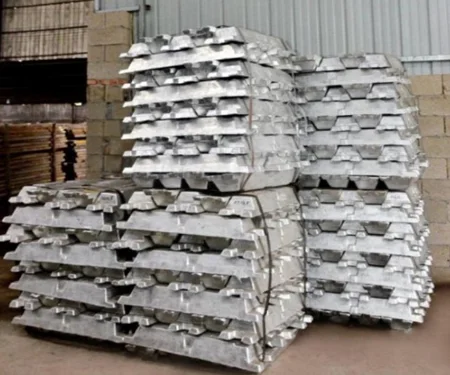
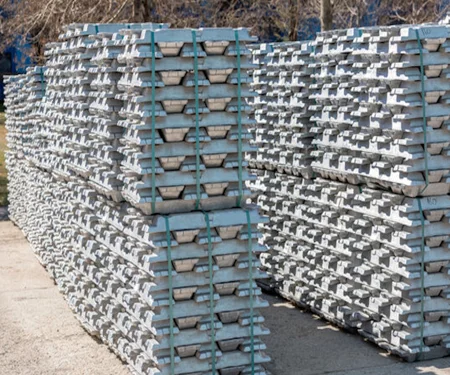
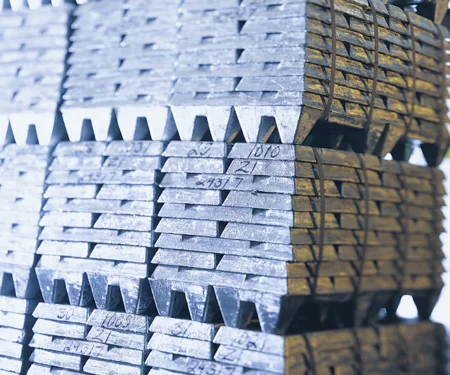
In the Kyrgyz Republic, a top aluminium extrusion manufacturer, Steelex, received USD 4.8 million (EUR 4 million) from Demir Kyrgyz International Bank. With these funds, the firm will enhance its vertical integration and boost aluminium scrap recycling efforts. The focus of the project? Promoting inclusive human resources (HR) policies, introducing flexible work options, and kicking off a university internship program.
In Mongolia, the bank has completed the country’s very first RSF transaction in the telecommunications sector. This involved a joint loan of up to USD 1.2 million (EUR 1 million) from EBRD and Khan Bank, which has been extended to IT Zone, which is deemed to be one of the country's top ICT integrators. Moreover, the company will also benefit from grant support designed to bolster human capital and improve talent management systems.
Fortuna Co Group, in Tajikistan, has successfully secured a loan of USD 1.2 million (EUR 1 million) from the Investment and Credit Bank of Tajikistan. Funding will be used to set up a 218 kW solar power plant, purchase electric vehicles and upgrade their equipment.
Must read: Key industry individuals share their thoughts on the trending topics
Trade Novatik, a producer of ready meals and packaged foods in Uzbekistan, secured a EUR 1.1 million loan from Hamkorbank to help expand its production. This project includes grant support aimed at adopting renewable energy, improving waste management and implementing digital monitoring tools. On the other hand, Silkway Color has obtained USD 2.8 million (EUR 2.38 million) to invest in energy-efficient printing equipment.
Additionally, the EBRD, Kyrgyz Investment and Credit Bank collaborated to provide a USD 1.1 million (EUR 0.9 million) loan to the leading plastic packaging manufacturer in the country, HTI Group. Using this, the firm will modernise its equipment and cut down on energy use and benefit from a grant aimed at energy-efficient solutions.
Highlighting previous work
The EBRD has been using risk-sharing agreements since the early 2000s and has since expanded its reach to include unfunded risk participations, first-loss guarantees and co-lending frameworks. The modern, enhanced version of risk sharing, especially the unfunded risk participation model that is now commonly used in various countries, made a mark in the mid-2010s. This was a part of the EBRD’s strategy to attract more private capital and to back small and medium-sized enterprises (SMEs) as well as projects focused on green transitions.
The EBRD stands out as the biggest institutional investor in Central Asia, having financed an impressive 1,250 projects so far, with a total investment surpassing EUR 21 billion.
Check out the latest LME aluminium price here
_0_0.png)
ACME signs a PPA deal with SECI for a 190 MW wind-solar hybrid project
Next articleGMDC shares climb 4.4% after India targets strategic mineral expansion, Pax Silica
Grow with
AL Circle