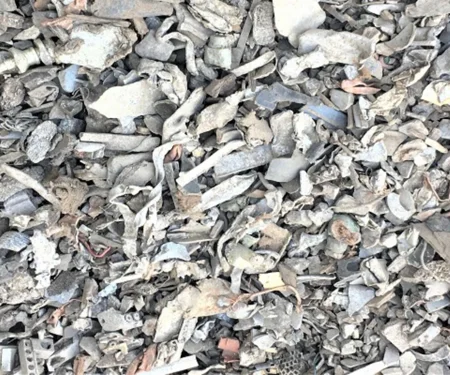
PyroGenesis Canada successfully validated the DROSRITE residue

As part of its joint venture and license agreement with a leading residue processor, PyroGenesis Canada Inc. has provided an update on its encouraging progress.
The JV partner conducted preliminary residue testing from an operational DROSRITE facility. According to the results, the residues are of such high quality that they can be processed into highly marketable products.
A high-technology company, PyroGenesis Canada Inc. develops and manufactures advanced plasma processes and sustainable solutions that reduce greenhouse gases (GHG) and are economically attractive alternatives to conventional "dirty" methods. PyroGenesis Canada Inc. is a leader in this field.
P. Peter Pascali, the CEO of PyroGenesis Canada, stated, "We are delighted to announce today that for the very first time, the existing process, based on which we are basing the joint venture, has successfully tested residues from PyroGenesis' DROSRITE metal recovery system."
"Of note, these residues are from the same site where we plan to build and operate our first dross residue processing plant. It is expected that this will be the first plant of several that will be built to transform dross residues into high-value chemicals. The timing could not be more perfect, as these residues are increasingly regulated, with some jurisdictions banning them outright from landfills."
The CEO added, "The success of these test results further validates the 'inside-the-fence', on-site discovery and upsell strategy we have often described as key to our customer relationships. This bodes well for our long-term goal of building and operating many such plants. These results further demonstrate the value of this JV and reinforce PyroGenesis' strategy as an eventual one-stop shop for aluminium producers aiming to reduce CO2 emissions with environmentally-friendly processes."
A waste by-product of aluminium production or transformation, aluminium dross is created when the molten metal's top layer is exposed to oxygen. A mixture of aluminium metal and oxides trapped in this layer is constantly skimmed off and removed from molten metal furnaces. Toxic in nature, dross is stored, landfilled, or processed to recover some of the metal it contains.
DROSRITE, a dross processing metal recovery system from the company, can recover up to 98% of the aluminium metal fraction in dross and return it directly to production. This results in cost savings for aluminium producers, who can produce more material while reducing waste and landfill costs.
The material left after DROSRITE processing is often disposed of in landfills or sometimes sold to other industries as a cheap production additive. The 50:50 JV agreement was signed to transform these residues into high-value products to sell on the open market.
The company said, "The results reveal that the residues are of exceptionally high quality for both alumina and aluminium nitrides. As a result, the aluminium produced by PyroGenesis' client is of high quality, as well as PyroGenesis' DROSRITE process, which unlike legacy technologies used in the industry, does not contain salt or other contaminants as part of the process."
Following the testing results, steps can be taken to verify specific techno-economic aspects of the first JV plant. This phase is ongoing this quarter and will conclude by the end of the next quarter, allowing factory planning to commence.
Pascali said, "These preliminary results, while not surprising, underscore the benefit of utilizing PyroGenesis' DROSRITE system for aluminium dross processing, as well as the company's commitment to finding unique, in-line technology solutions for heavy industry, particularly the aluminium, steel, and mining industries."

"Previously, we emphasized that this announcement would revolutionize the aluminium industry since it would allow PyroGenesis to provide a full-service dross processing service, providing zero-landfill/low carbon solutions while simultaneously increasing profitability for clients," he added.
Timaru materials recovery facility recycles huge waste deposits from Ashburton
Next articleDutch aluminium producer Aldel ceases all remaining production
Grow with
AL Circle