12 OCTOBER 2016AlCircle.com
Primary aluminium ingot inventory in China to decline further in 2016, CRU observes
Edited by : Dipanwita Gupta
2 min read

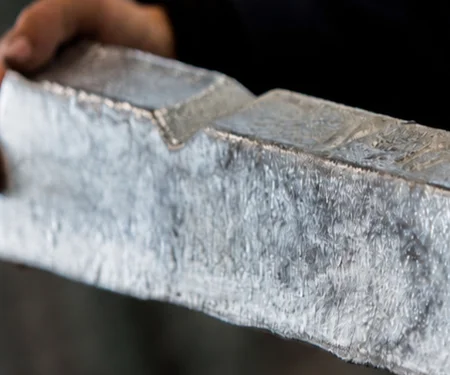
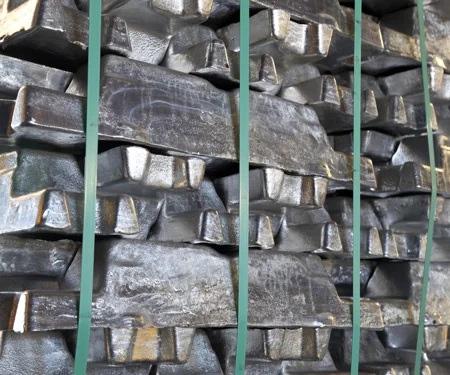
<p>According to a recent CRU analysis by consultant Yanchen Wang, there are considerably more primary aluminium ingot stocks in the Chinese market than implied by the reported stocks- an index reflective largely of ingot stocks at SHFE warehouses and other registered sheds. Stocks will be held at aluminium smelters, while valued added product stocks will also be held at independent operations that produce casthouse shapes such as billet, Wang observes. <br /><br />This has increased in importance as aluminium producers increasingly reduced the proportion of output at their casthouse of ingot in favour of liquid metal to supply directly to adjacent downstream facilities, and other casthouse shapes. <br /><br />Wang says, stocks of aluminium ingots will also be held in transit, and this has increased in significance since capacity has shifted to regions such as Xinjiang and Inner Mongolia and away from traditional sources of the metal consumption.<br /><br /><img style="display: block; margin-left: auto; margin-right: auto;" src="http://www.alcircle.com/uploads/images/Chinese_primary_aluminium_smelters'_output_by_shapes.png" alt="News" width="550" height="312" /><br />Changes in primary aluminium product mixes have been quite significant over the last one decade. According to the CRU report, liquid aluminium is expected to become the biggest form of output from Chinese smelters in the rest of 2016, accounting for 41 per cent of total aluminium production in China.<br /><br />In addition to the changes in smelter product mixes, a key factor impacting the ingot stock levels, CRU has identified two more areas of bottlenecks: one, the recent change in transportation standards, and two, environmental pressure. <br /><br />{googleAdsense}<br /><br />In recent years, most greenfield aluminium projects have been located in areas far off from major regions where the metal is consumed. As a result, the impact of logistics on ingot inventories has been dramatic. Inventory at warehouses tracked by CRU fell from 258.7kt from 327.1kt between mid and late September, causing a significant spike in physical market prices. <br /><br />Environmental pressure has also affected the demand for aluminium ingot in China. The Chinese government has encouraged downstream producers to use liquid metal or value added shapes directly rather than remelting ingots. In future, CRU expects ingot output from Chinese smelters will continue to decline further.</p>
Previous article
Alcoa upstream divisions maintain sequential profitability QoQ despite low metal pricing
Next articleAluminium retreats amid concerns over supply, China output
Grow with
AL Circle