Ex-China capacity supply recovery, low inventory support keeps aluminium prices under pressure in adjustment
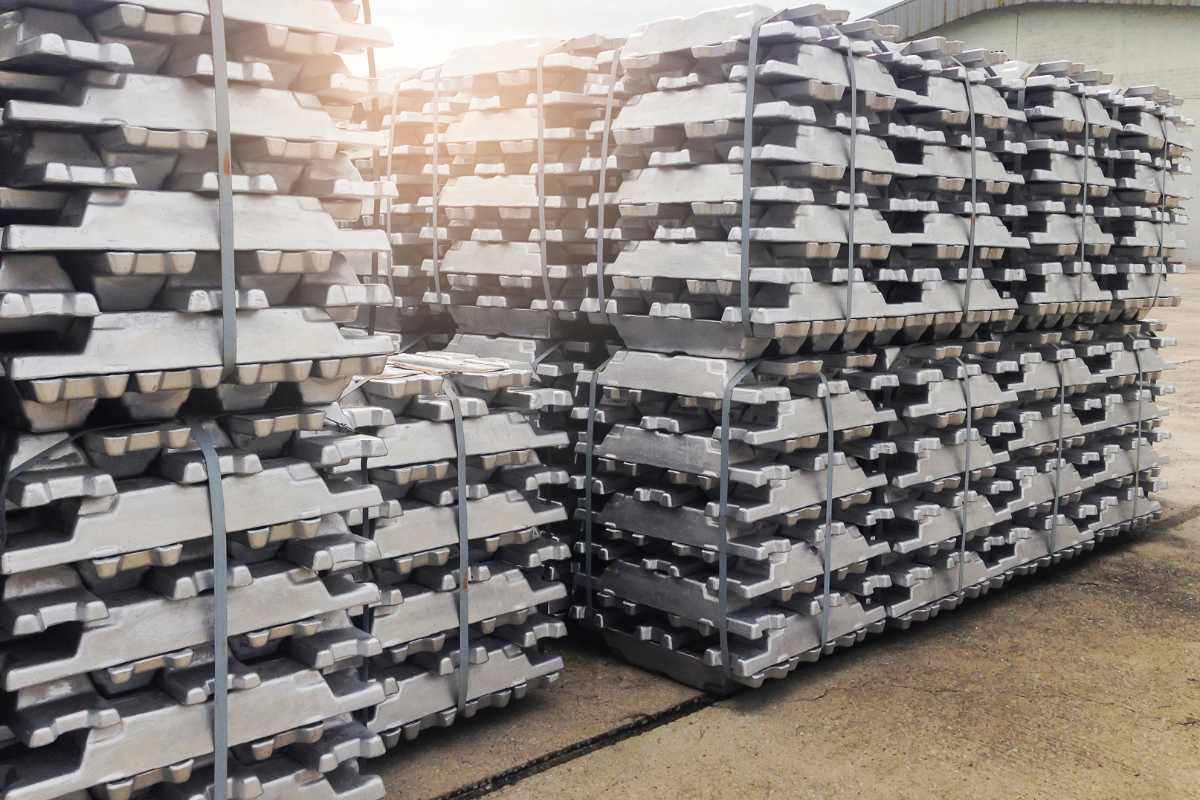
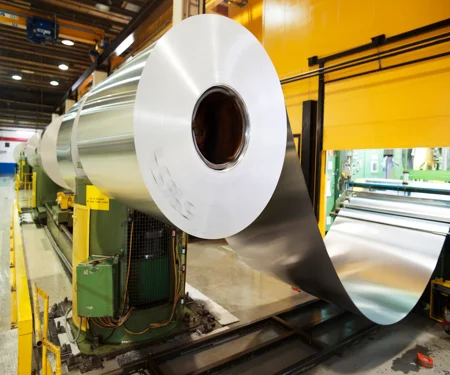
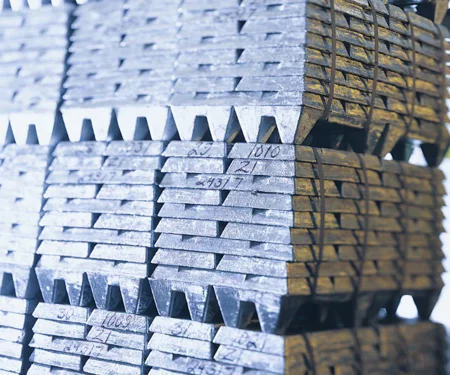
Stock image for referential purposes only
Futures: SHFE aluminium closed at RMB 23,180 per tonne in the daytime session, up 0.43 per cent. Although the price broke above MA5 (23,065), it remained under pressure below MA10 (23,223) and MA30 (23,386), with the medium-term bearish alignment unchanged. The MACD indicator formed a golden cross below the zero axis, with the red bar expanding to 27.59, indicating some release of oversold rebound momentum, but trading volume shrank to 81,900 lots, and the volume-price divergence limited the rebound height. The core trading range for SHFE aluminium is suggested at 22,900-23,400. LME aluminium closed at USD 3,072.5 per tonne, up 0.51 per cent. The price stood above MA5 (3,066.8) and MA10 (3,068.1), but remained constrained by MA30 (3,074) and MA60 (3,169), in a weak repair phase within the downtrend. MACD maintained a golden cross below the zero axis, with the red bar expanding to 20.07, but overall momentum remained subdued. The core trading range for LME aluminium is suggested at 3,050-3,100.
Macro front: US President Trump stated that as long as negotiations surrounding Iran's nuclear program and the reopening of the Strait of Hormuz make progress, the possibility of the US launching another military strike against Iran is "very low." Trump said the key lies in whether Iran is willing to sign a "very strong agreement," and emphasised that the US may still take military action if necessary; on November 8 local time, the Islamic Revolutionary Guard Corps Navy of Iran stated that another oil tanker attempted to cross the Strait of Hormuz via an unauthorised route, exploded, and caused a violent fire. Since the early hours of that day, three oil tankers have exploded and caught fire. The IRGC Navy stated that Iran's regulations regarding the Strait of Hormuz have been communicated to all vessels multiple times. Any vessel that violates these regulations and crosses the strait via unauthorised routes will inevitably face the same outcome.
Fundamentals: Supply side, domestic operating aluminium capacity remained high, and this week's weekly aluminium production in China continued to edge up; overseas, production resumptions at Middle East capacity under production cuts progressed slightly faster than expected, and with new capacity in Indonesia gradually coming online, aluminium supply continued its recovery trend, with LME aluminium inventory holding near 229,000 tonnes, a near two-decade low. Demand side, aluminium prices retreated after a rapid rise this week. Early in the week, supported by low inventory, SHFE aluminium briefly climbed above RMB 23,400 per tonne, then fell for consecutive sessions, pulling back to around RMB 22,900 per tonne; downstream purchases were mainly restocking as needed, with limited willingness to chase higher prices. Inventory-wise, according to SMM statistics, as of this Monday, domestic aluminium ingot social inventory destocked by 14,000 tonnes from last Thursday and 40,000 tonnes from last Monday, providing some support to aluminium prices. However, the October aluminium processing industry composite PMI fell below the 50 mark to 48.9 per cent, with increasing signals of weakening downstream processing demand as the peak season drew to a close, and the proportion of liquid aluminium continued to edge down M-o-M this week.
Primary aluminium market: East China market: Last Friday, SHFE aluminium futures edged down, and the downside for spot discounts narrowed, but it was noted that premiums in South China were relatively high, and some cargoes from Wuxi may be shipped to South China for sale. In the previous trading day, SMM A00 aluminium ingot spot transactions were concluded at discounts of RMB 30-10 per tonne. Central China market: Last Friday, aluminium futures pulled back slightly, but as the Henan-Shanghai price spread narrowed rapidly in the short term and inter-contract price spreads remained high, panic sentiment among traders in the central China market intensified, and buying sentiment remained subdued throughout. Ultimately, actual transaction prices in the central China market were centred around discounts of RMB 80-110 per tonne against the SHFE aluminium November contract. South China market: Last Friday, futures weakened, but the spot market rose instead of falling. South China aluminium ingot inventory refreshed lows, and considering that a considerable portion could not flow in the short term or was restricted, actual effective inventory was already at extremely low levels; coupled with bullish expectations for the future, most holders held prices firm and held back from selling or even refused to sell, making spot circulation exceptionally tight, with mainstream quotations in the premium range and even instances of no offers available. Buyers briefly pushed for lower prices without success, then quickly entered the market to raise purchase prices, showing some competition, and large players sharply raised prices to purchase but received very little feedback, with transactions significantly undersupplied. Spot transaction prices were concentrated at premiums of RMB 210-250 per tonne against the SHFE aluminium 2611 contract.
Aluminium scrap: Last Friday, SMM A00 aluminium price closed at RMB 23,340 per tonne, down RMB 40 per tonne from the previous trading day, while the aluminium scrap market remained generally stable. In terms of price spreads, on November 5, the price difference between A00 aluminium and mixed aluminium extrusion scrap free of paint in Foshan was RMB 2,142 per tonne; the price difference between A00 aluminium and shredded aluminium tense scrap was RMB 518 per tonne, at a historically low range. Going forward, focus should be on the spread of tax inspections and changes in invoicing quotas across regions, the actual realisation of primary aluminium replacing scrap after the price spread compresses to low levels, and the slope of downstream operating rate declines in the off-season.
Secondary aluminium alloy: Last Friday, the ADC12 market overall remained stable, with mainstream quotations showing no significant adjustments, and SMM ADC12 price held steady at RMB 24,200 per tonne. Aluminium prices and futures pulled back, but the decline was relatively limited, and current spot prices showed some resilience, with little willingness to lower quotations. Meanwhile, downstream demand had not yet shown significant improvement, and market transactions provided limited support to prices, with sellers and buyers overall remaining cautious and wait-and-see. In the short term, ADC12 prices are expected to consolidate in a narrow range, with attention needed on raw material price changes and actual downstream purchasing.
Comprehensive outlook: Overall, on the macro front, hawkish tightening expectations and a weak US dollar short-term rebound are in play; fundamentally, inventory destocking provides a floor, but downstream processing demand is weakening and the peak season is nearing its end, with fundamentals also showing mixed signals. In the short term, aluminium prices are expected to consolidate on a subdued note. Going forward, focus should be on domestic aluminium semis exports and the sustainability of inventory destocking.
Note: This article has been issued by SMM and has been published by AL Circle with its original information without any modifications or edits to the core subject/data.
Chinalco International transfers 60% Jiuye Sanwei stake to Shenyang Institute
Next articleLME aluminium cash offer price falls 1.30% to $3,117/t on November 6 as stocks dip to 228,475t
Grow with
AL Circle













_md.webp)