China alumina prices seen rangebound as supply cuts, high stocks cap gains
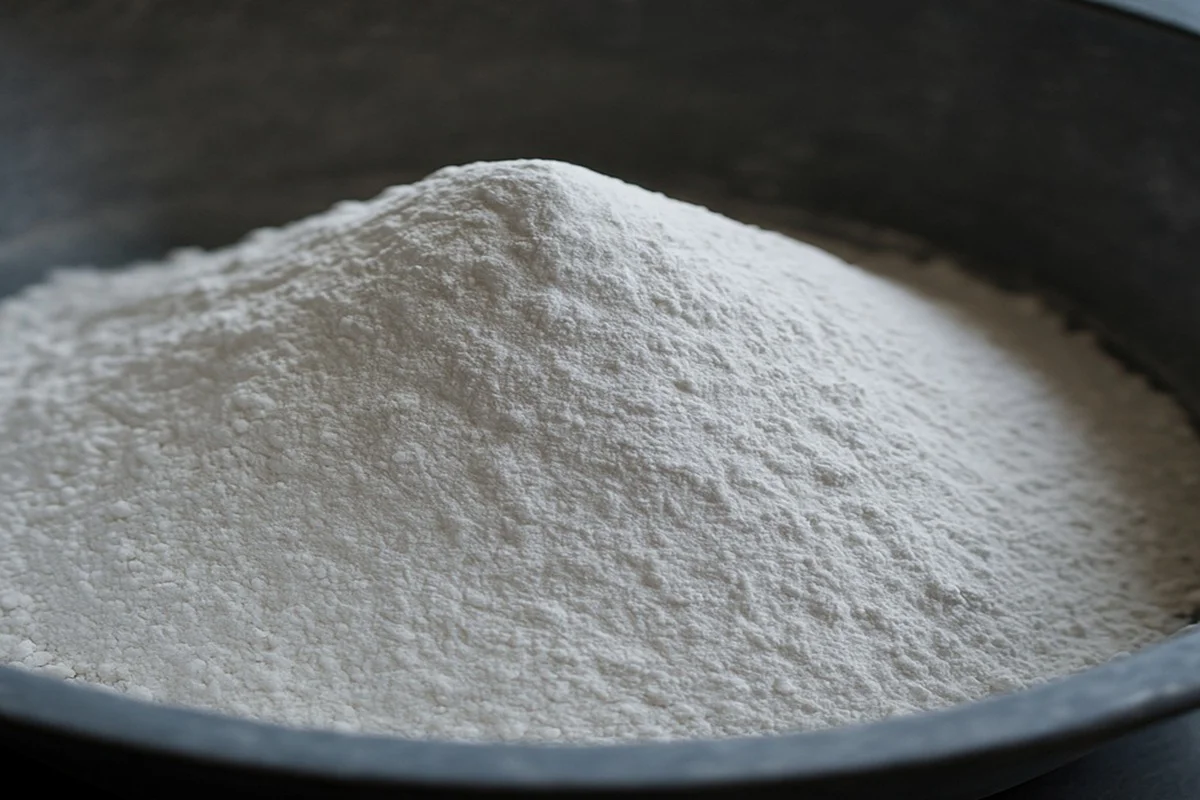
The image used in this article is generated with an AI tool and does not depict any real-time moment
In October 2026, China's domestic alumina spot prices continued their downward trend. The monthly weighted average price of alumina was RMB 2,666 per tonne, down RMB 24 per tonne from the previous month, or 0.89 per cent month-on-month (M-o-M). In early October, despite significant cost-related losses across the industry, most refineries maintained strong production stability and supply guarantees ahead of annual contract negotiations. Some aluminium smelters believed the downside for alumina prices was narrowing and that risks of large-scale production adjustments existed; thus, their willingness to inquire and restock increased in the short term. However, with overall supply still exceeding demand, some sellers continued to make shipment at low prices, driving both spot transactions and tender purchase prices lower.
Entering late October, affected by high costs, tight domestic bauxite supply, and phased production line upgrades, capacity utilisation rates at some alumina refineries declined, tightening market-available spot volumes. This prompted some sellers to narrow their discount offers compared to earlier in the month, while downstream buyers primarily restocked at low prices.
Additionally, regarding year-end long-term contract discussions, alumina refineries traditionally adopted a "produce-to-sell" strategy, but next year this is expected to shift to a "sell-to-produce" approach. For enterprises with integrated upstream and downstream supply chains, adjusting internal digestion ratios can enhance flexibility and risk resilience.
Overseas market price review
Overseas alumina prices rose notably in October, with seven deals tracked during the month, totaling approximately 210,000 tonnes in volume. By end-October, Australian FOB prices stood at around USD 393 per tonne, up 9.47 per cent M-o-M. In early September, low water levels during the dry season in Indonesia disrupted bauxite shipments to domestic refineries, forcing some alumina plants to rely on existing inventories or curtail output. The impact is expected to gradually ease as the rainy season approaches. Separately, Rio Tinto's Yarwun alumina refinery in Australia implemented a planned production cut in October, affecting 1.2 million tonnes per year of capacity.
Price drivers
Alumina prices continued to decline in October, primarily driven by two factors.
First, following China's National Day holiday in early October, several northern aluminium smelters began tender purchases, mainly driven by freight fluctuations caused by heavy pollution controls in Shandong and concerns over potential large-scale supply cuts, leading to moderate restocking. Additionally, as continuously rising traders' inventories, some traders remained highly willing to sell at discounts.
Second, spot transaction activity declined toward month-end, while some futures-and-physical arbitrage traders showed relatively increased interest in sourcing cargoes. Downstream buyers maintained their regular tender rhythm. Although spot availability between refineries and traditional traders tightened compared to earlier, no significant improvement in supply-demand fundamentals materialized, keeping spot prices under downward pressure.
Import and export analysis
According to data released by the General Administration of Customs of the People's Republic of China (GACC), China imported 69,800 tonnes of alumina in September 2026, down 80.04 per cent M-o-M and up 16.26 per cent year-on-year (Y-o-Y). Exports totalled 237,800 tonnes, down 44.05 per cent M-o-M and down 3.5 per cent Y-o-Y. Net exports reached 168,000 tonnes, up 122.64 per cent M-o-M and down 9.85 per cent Y-o-Y.
January-September 2026 cumulative imports were 3.06 million tonnes, up 458.36 per cent Y-o-Y; cumulative exports were 2.58 million tonnes, up 28.85 per cent Y-o-Y; cumulative net imports totalled 486,400 tonnes, up 133.54 per cent Y-o-Y.
The sharp drop in September imports to just 69,800 tonnes was driven by two core factors: first, the import arbitrage window remained deeply closed, with West Australian FOB alumina prices at USD 349–354 per tonnes and import losses of approximately RMB 300 per tonne, keeping spot purchase interest minimal amid sustained inverted domestic-foreign price spreads.
Second, September domestic output remained high, with traders' inventories rising to around 6.95 million tonnes, leaving aluminium smelters well-supplied and with no urgent need for alumina procurement. Additionally, the M-o-M decline in exports was mainly due to persistently rising ocean freight rates and widening export losses, which reduced new trade orders. Coupled with Alunorte in Brazil operating at full capacity and Al Taweelah in the Middle East resuming production, narrowing overseas regional supply gaps, exports to Russia remained steady due to rigid demand.
Capacity and production analysis
According to Mysteel research, by end-October 2026, China's alumina nominal capacity reached 121.95 million tonnes per year, up 0.83 per cent M-o-M and 6.32 per cent Y-o-Y. Operating capacity stood at 98.9 million tonnes per year, down 1.98 per cent M-o-M and up 2.59 per cent Y-o-Y.
Recent production fluctuations at alumina refineries across regions were mostly due to routine maintenance or production line upgrades, further delaying the market-expected large-scale production cuts. A second-phase project at an inland refinery in Guangxi underwent line maintenance, temporarily limiting output growth; subsequent changes will be monitored. A large refinery in Chongqing is currently operating at full capacity (~5.6 million tonnes/year), but may adjust production ahead due to persistently rising natural gas prices.
As of October 29, 2026, Mysteel statistics showed China's total alumina inventory rose 269,000 tonnes from September 24, 2026. Aluminium smelters currently hold ample raw material inventories, yet remain highly willing to purchase and stock up at low prices, resulting in tight storage capacity and prompting some to temporarily store raw materials at nearby ports and rail stations. Additionally, recent environmental controls in northern regions caused insufficient transport capacity and reduced shipments, leading to minor inventory buildup at alumina refineries.
Aluminium capacity and production analysis
Demand for alumina from aluminium producers remained rigid and stable overall, but growth slowed, offering limited fundamental support to alumina prices. Current operating capacity stands at approximately 45.42 million tonnes, with a utilization rate of around 98 per cent, near full capacity, meaning very limited room for incremental alumina consumption. Procurement strategies have become more cautious, primarily focused on restocking as needed, with spot market transactions dominated by rigid demand.
Supply-demand balance
Based on Mysteel's monitoring of supply and demand, the domestic alumina market still faced significant oversupply pressure in October 2026. Limited production cuts began emerging in the south, but supply and demand remained in a slow adjustment phase.
According to Mysteel research, a large alumina refinery in northern China plans to carry out production line upgrades, initially expected to last around three months; the impact on output will be continuously monitored. Heavy pollution weather has not yet significantly affected production enterprises across regions. A newly commissioned alumina project in Guangxi has produced finished products; the plant formally began feeding materials on September 21 and is currently in the quality optimization and output ramp-up stage, targeting full production next month with a designed capacity of approximately 2 million tonnes/year.
Additionally, by month-end, curtailment scale in Guangxi reached approximately 2.8 million tonnes/year, mainly due to high costs and tight domestic bauxite supply. Given the uncertain duration of this maintenance, attention should be paid to any substantial medium-to-long-term output declines and potential adjustments at other plants. On the demand side, downstream aluminium's rigid demand for alumina remained stable, but limited domestic capacity changes provided insufficient impetus for incremental raw material demand.
Conclusion
In summary, supply-side fluctuations in the south have increased in frequency, and cross-regional shipments (e.g., south-to-north) are rising, tightening regionally available spot volumes relative to earlier.
However, most aluminium smelters maintain high raw material inventories and adhere to a strategy of restocking at low prices to lock in forward profits, hedging against winter transport disruptions and upstream environmental production cuts. Under dual pressures of operations and long-term contract supply guarantees, some alumina refineries have enhanced short-term market competitiveness through production line adjustments or upgrades.
Nevertheless, compared to the high profitability of aluminium smelting, domestic alumina enterprises continue to face persistent price declines and cost-reduction pressures. Spot prices in November are expected to fluctuate within a narrow range of RMB 2,500–2,650 per tonnes.
Note: This news is published under a content and exchange agreement with Mysteel
Grow with
AL Circle












_md.webp)