Poland’s aluminium cans export to the Netherlands likely to stand higher by 47% than to the Czech Republic

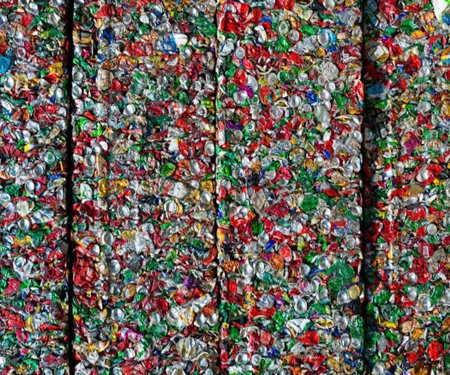
With the increasing demand for aluminium cans in the packaging industry, due to proficiency in preserving quality and flavour of contents, the cans export from Poland is estimated to rise in 2019 by about 3.32 per cent. CANPACK Group based in Poland, which is already one of the leading manufacturers in the beverage packaging industry in Central and Eastern Europe, is striving to further expand its production to cash on the optimistic aluminium cans market.
{newsStudioGallery}
According to a report in September 2019, CANPACK Group is setting a new factory in the Czech Republic, which will boost the company’s overall production to 25 billion units per year. The Czech Republic is also an important importer of aluminium cans from Poland, in addition to the Netherlands.
In 2017, Poland’s aluminium cans export to the Czech Republic had outperformed the export to the Netherlands. To the Czech Republic, Poland in the said year had exported 13,965 tonnes, compared with 5,572 tonnes to the Netherlands. This means the former secured 150 per cent more of aluminium cans from Poland than the latter. In 2018, however, Poland’s export to the Czech Republic fell significantly low to 6,506 tonnes, down 53 per cent year-on-year but remained higher than the export to the Netherlands in the same year. To the Netherlands, Poland’s export were at 6,192 tonnes, representing a year-on-year growth of about 11 per cent.

As shown in the graph above, this year Poland's aluminium cans export to the Netherlands is expected to outperform that of to the Czech Republic by about 47.18 per cent. The Netherlands is expected to haul 9,740 tonnes and the Czech Republic 6,617 tonnes. The export to both the countries is likely to increase this year by 57 per cent and 2 per cent respectively.
Along with the volume, the export values are also expected to grow this year. While the export cost to the Netherlands is estimated to come in at US$46 million, compared with US$28 million in 2018, the cost to the Czech Republic is likely to stand at US$35 million, in contrast to US$29 million last year.
MJ Building Materials Trading to exhibit aluminium solutions at Windows, Doors & Facades Event 2019
Next articleJapanese foreign minister optimistic about bilateral talks with the U.S.; automakers concerned over tariffs
Grow with
AL Circle