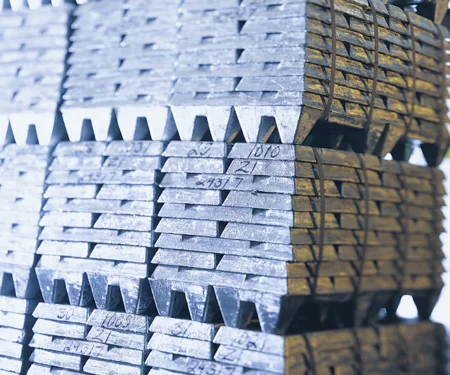
Pakistan-led anti-dumping duties on aluminium cans will stay till 2028
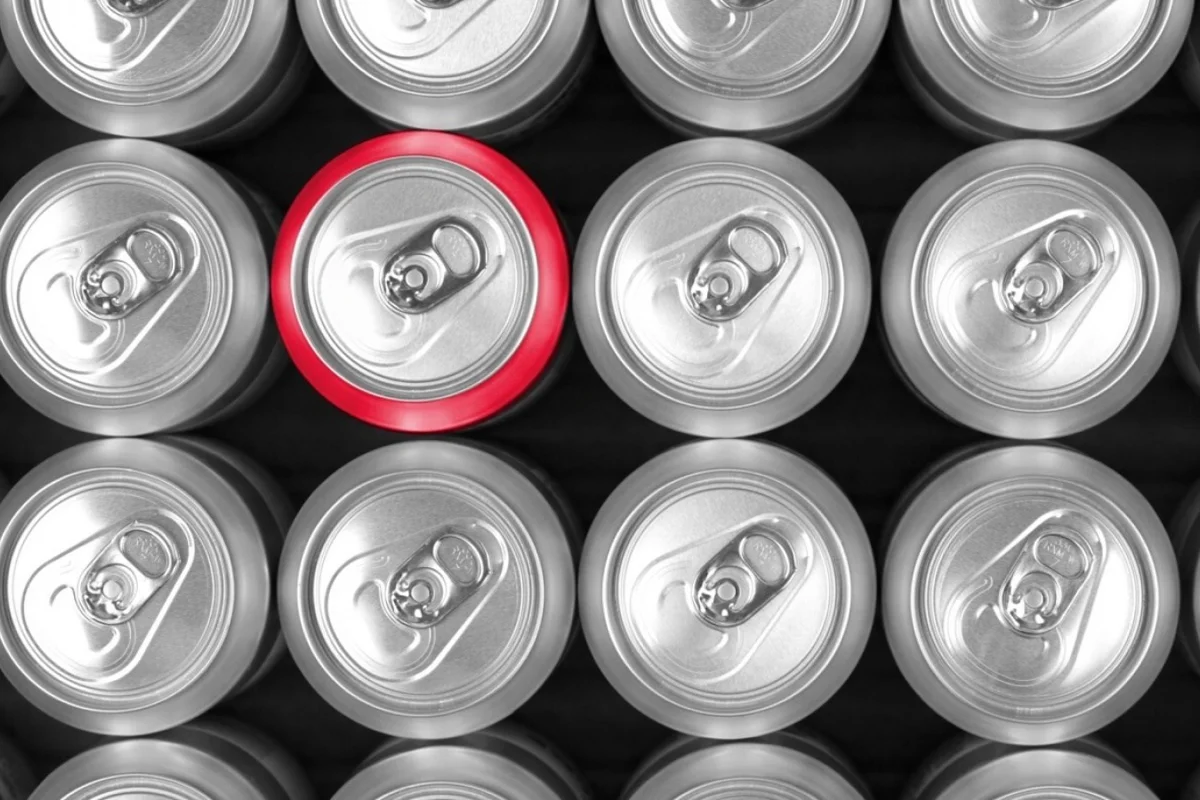
Pakistan’s National Tariff Commission has opted to keep anti-dumping duties on imported aluminium beverage cans in place for another three years, extending measures first imposed on suppliers from Jordan, Sri Lanka and the United Arab Emirates. The decision follows the conclusion of a Sunset Review that examined whether lifting the duties would expose the domestic industry to renewed harm.
Pakistan Aluminium Beverage Cans Limited informed the Pakistan Stock Exchange that the extension will take effect on February 19, 2025. The review itself began on February 8, 2024, and assessed market data from January 2022 through December 2024.
According to the Commission’s findings, removing the existing duties would leave the local sector vulnerable to continued dumping and the sort of material injury previously recorded. The investigation highlighted risks including price undercutting, suppressed selling prices, and pressure on production levels, sales volumes, market share and profitability.
NTC’s definitive duty tariffs as per the country are set as follows:
• Sri Lanka – Ceylon Beverage Cans: 23.24 per cent
• Sri Lanka – Other exporters: 23.24 per cent
• Jordan – All exporters: 26.54 per cent
• UAE – All exporters: 22.06 per cent
The case centred on aluminium beverage cans sized between 250 ml and 300 ml, classified under Customs Tariff Heading 7612.9030. These cans are widely used across Pakistan’s drinks industry.
Duties will continue to be levied on an ad valorem basis. However, imports destined solely for export-oriented production or for projects funded through foreign grant-in-aid will remain exempt. The review was requested by the Faisalabad-based Pakistan Aluminium Beverage Cans Limited, which argued that eliminating the duties could damage the local industry’s competitiveness.
A non-confidential version of the Commission’s report has been published on the NTC website for stakeholders wishing to examine the findings in detail. The extension is intended to protect domestic producers from unfairly priced imports and ensure that local manufacturers can compete on a more even footing.
Must read: Key industry individuals share their thoughts on the trending topics
Gamme Telco in France launches an all-aluminium solar carport
Next articleEU’s EV policy whiplash: Ford CEO worried about European automotive future
Grow with
AL Circle